
How a woman farmer is building her business in the face of climate pressures through adaptation, innovation and diversification

In Metuge, a rural district in northern Mozambique, 45-year-old farmer Josefina stands among a small minority: she is one of the just 11.9% of Mozambican women who own their own land.
As the owner of 20 hectares of land, Josefina has spent years cultivating sesame and maize to feed her family. She is currently supported by six employees – four of whom are women. But despite her determination, Josefina has only been able to cultivate less than half her land, held back by a series of challenges familiar to many small-scale farmers in the region.
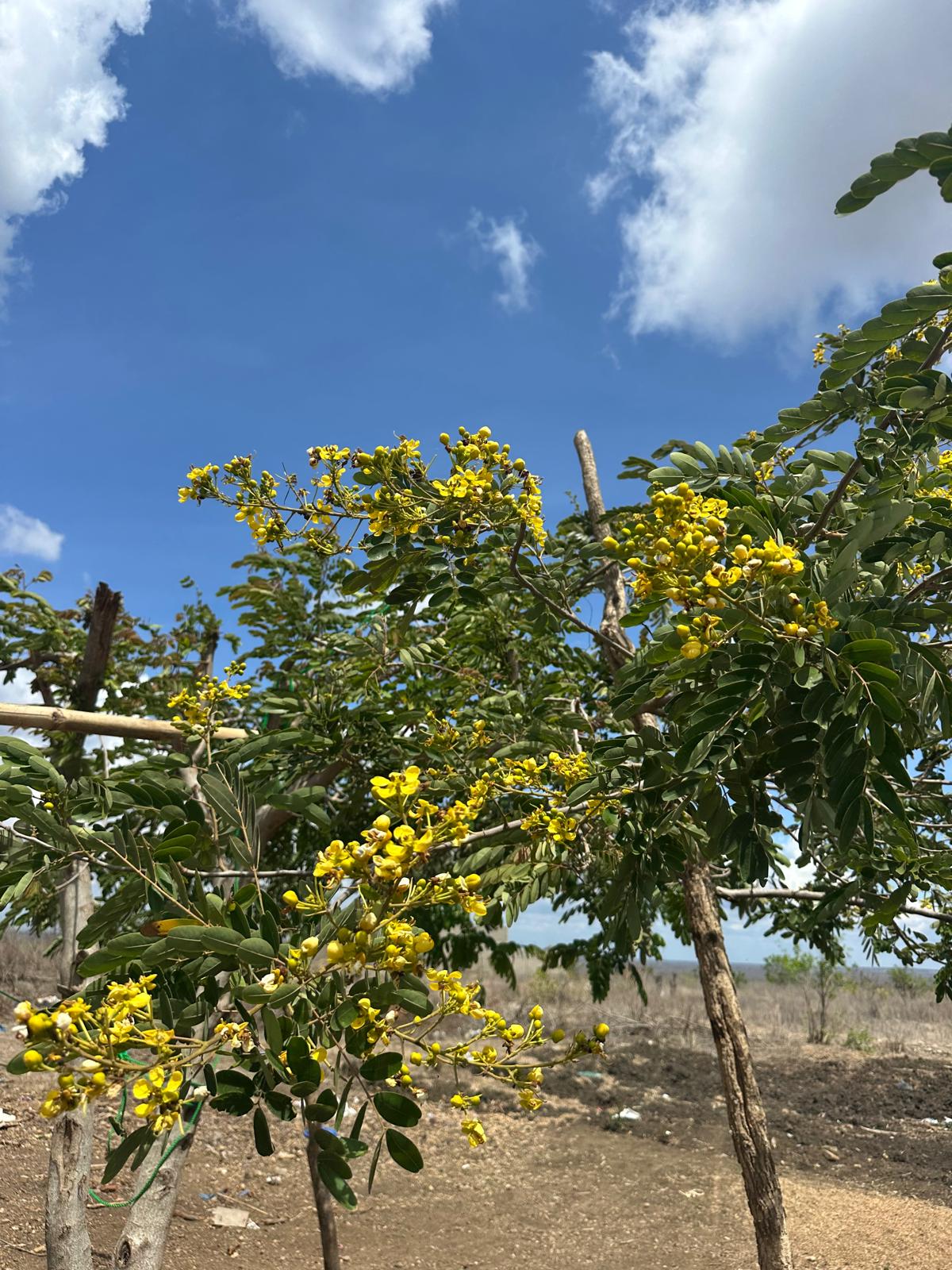
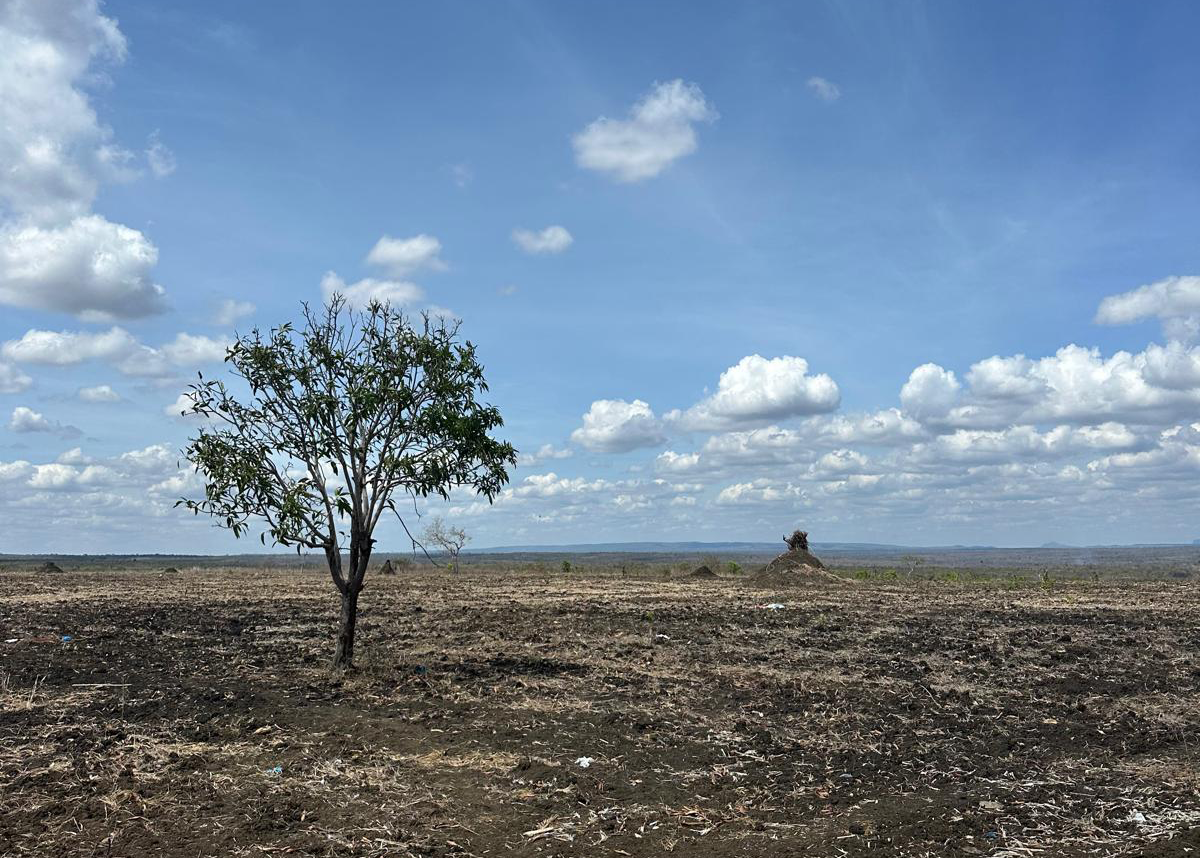
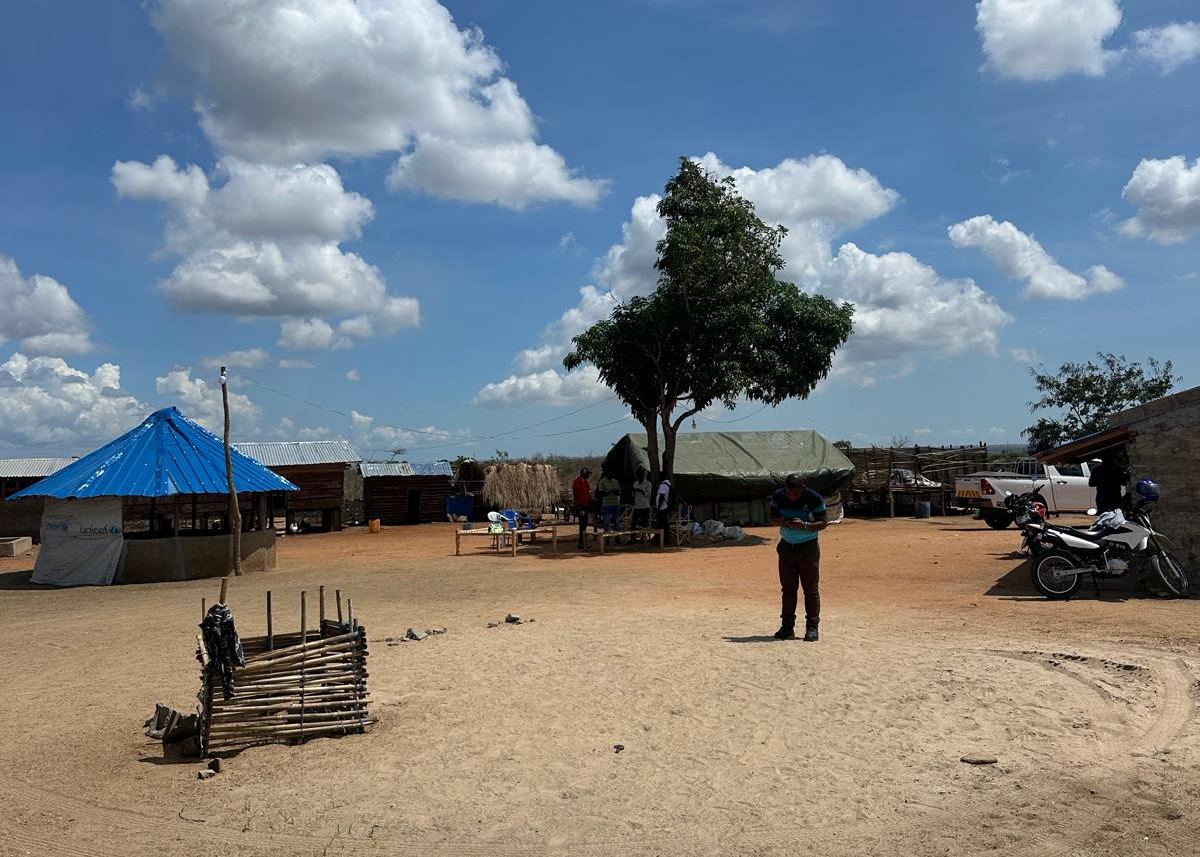
Water scarcity remains one of the most pressing obstacles for farmers in the country. Although Mozambique sits on the shores of the Indian Ocean, half the population lacks access to adequate water.
“In Mozambique, water scarcity stems from poor water management,” explains Hirondina Mondlane, Programme Coordinator at the Aga Khan Foundation (AKF). “Climate change is worsening the problem, causing flooding that contaminates water sources, followed by extended droughts where no water is available at all.”
For Josefina, the lack of reliable water means fewer crops, fewer livestock and fewer opportunities to grow her business. Her attempt to construct a borehole ended in disappointment when the contractor left midway through the job.
“In Mozambique, water scarcity stems from poor water management.”Hirondina Mondlane – Programme Coordinator, AKF
Increasing climate-related disasters have compounded these pressures. In December 2024, Cyclone Chido swept the Mozambican coastline. Cabo Delgado – the province where Josefina lives – was heavily hit, with an estimated 272,000 people impacted and homes, farms and livelihoods damaged. Josefina’s warehouse where she stored her crops was destroyed. She has since been rebuilding it using concrete, hoping to better withstand future shocks.

Additionally, Josefina has struggled with inconsistent crop quality. “I planted maize and sesame together and used chemicals, but the results weren’t always good,” she recalls.
Like many farmers, she relied on chemical inputs, often at high cost and with uncertain outcomes for both health and productivity.
Despite these evolving obstacles, Josefina has found several solutions to become more resilient. Through AKF’s AgroVida project, she has been working closely with Serafine, a local Green Champion, and has taken part in training on regenerative agriculture.
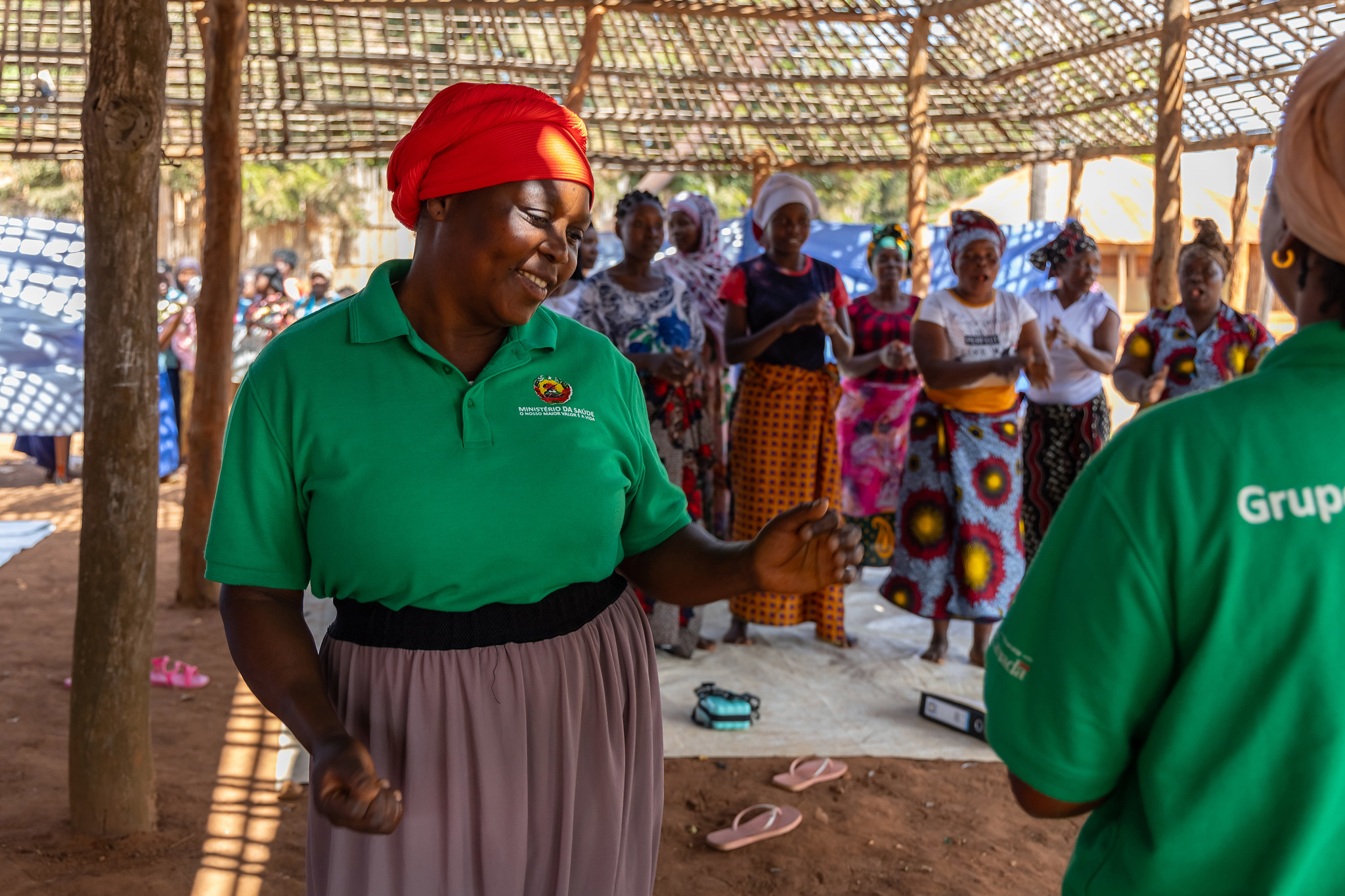
Launched in August 2024 with a consortium of partners, AgroVida supports Cabo Delgado’s small-scale food producers to build agricultural sustainability and create economic opportunities. Much of this support is provided through a network of Green Champions like Serafine; graduates from agriculture institutes trained in regenerative farming, fishing production, gender equality, nutrition and more.

“Now, I plan to grow trees for biopesticide production and protect my fields naturally. I feel very motivated to continue improving."Josefina
With Serafine’s support, Josefina has refined her planting techniques, introduced crop rotation, selected improved seed varieties and adopted safer, more effective approaches to using agricultural chemicals. She now has a tractor, which will enable Josefina to fulfil her plans of expanding her cultivated area by an additional six hectares next season. She also rents the tractor by the hour to others in her community.
One of the most significant changes has been Josefina’s shift toward natural, sustainable farming inputs. She produces her own biopesticides, making enough to apply to 75% of her cultivated land. Next, she plans to begin making bio compost and planting natural pest barriers to boost soil health and biodiversity.
“I’ve seen a real difference!” she says. “Now, I plan to grow trees for biopesticide production and protect my fields naturally. I feel very motivated to continue improving”. In fact, she is so encouraged by the results that she hopes to hire Serafine permanently.
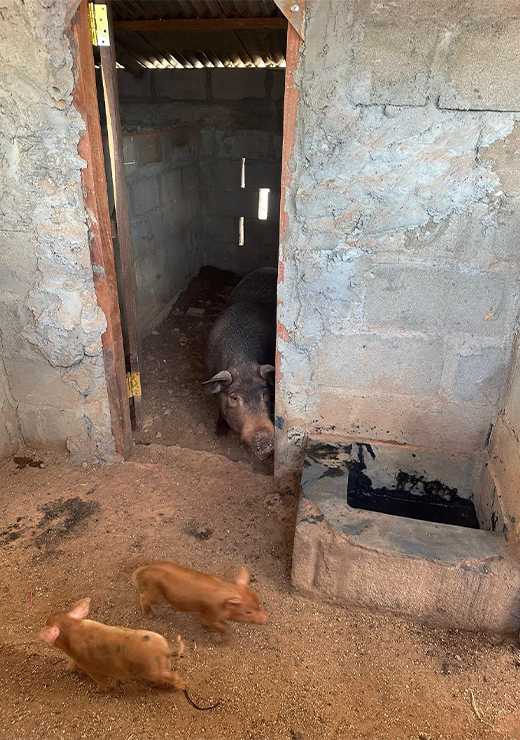
Serafine has also helped Josefina to diversify her farm. She raises pigs, goats, and chickens – adding more income streams and strengthening food security for her family.
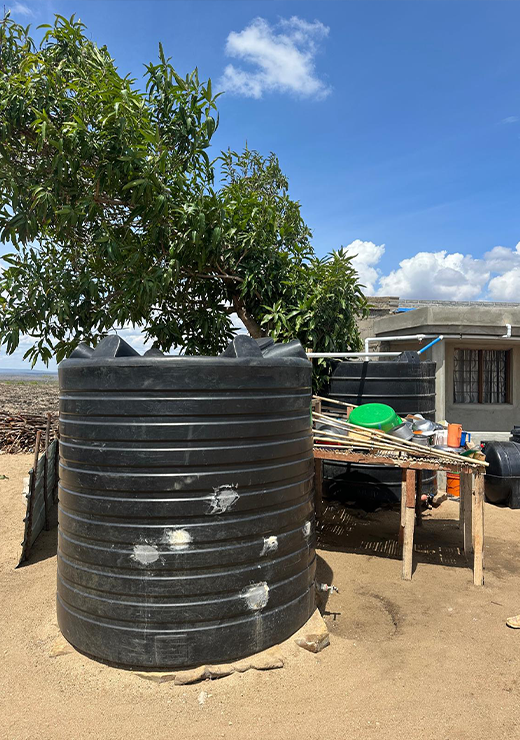
Crucially, Josefina has established rainwater harvesting at her farm, helping her to manage water more efficiently, especially during drier periods. Yet, in Cabo Delgado’s harshest seasons, even this is not enough.
To supplement her farming income at times of climate crisis – whether drought or flood – Josefina runs a small shop where she sells essential and non-perishable products. Her financial management skills have improved, too, helping her plan and budget with confidence.

Josefina’s story reflects both the challenges and the promise of farming in northern Mozambique. With access to practical training, climate-resilient techniques and the guidance of Green Champions, Josefina is farming for the future. She is maximising the natural resources available to her and building a safety net for her family.
AgroVida is implemented by a consortium of partners including ADPP Moçambique, SmartFarming BV, Gapi, Associação h2n, ThirdWay Partners and AKF.
AgroVida is funded by the Embassy of the Netherlands in Mozambique.






Support our work Your donations are helping us build a future where we all thrive together.