
New partnership will expand access to clean water, renewable energy and climate-resilient infrastructure while supporting more than 325,000 people across Gilgit-Baltistan.

The Government of Gilgit-Baltistan, the Agence Française de Développement (AFD), the European Union (EU), and the Aga Khan Foundation (AKF) have launched a new rural development and climate resilience initiative across all districts of Gilgit-Baltistan in northern Pakistan.
The €54.24 million partnership, supported through a combination of AFD financing, an EU grant, AKF funding and community contributions, aims to improve living conditions and strengthen the resilience of communities to climate change and natural disasters.


The programme aims to reach 325,600 people, 40% of whom will be women
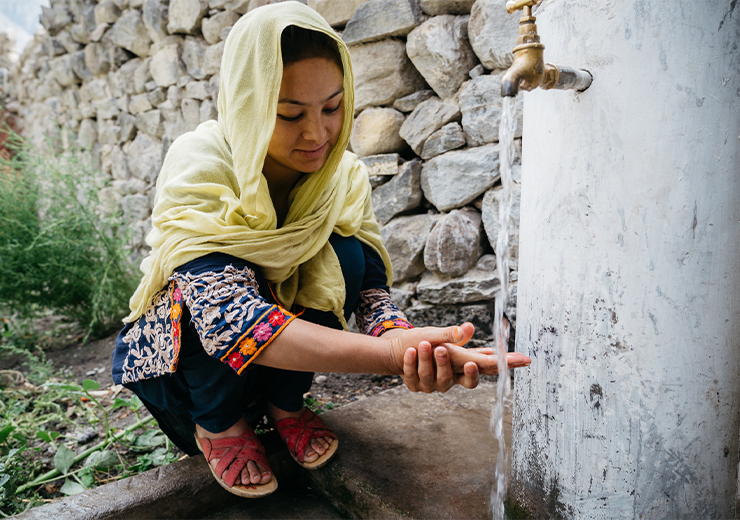
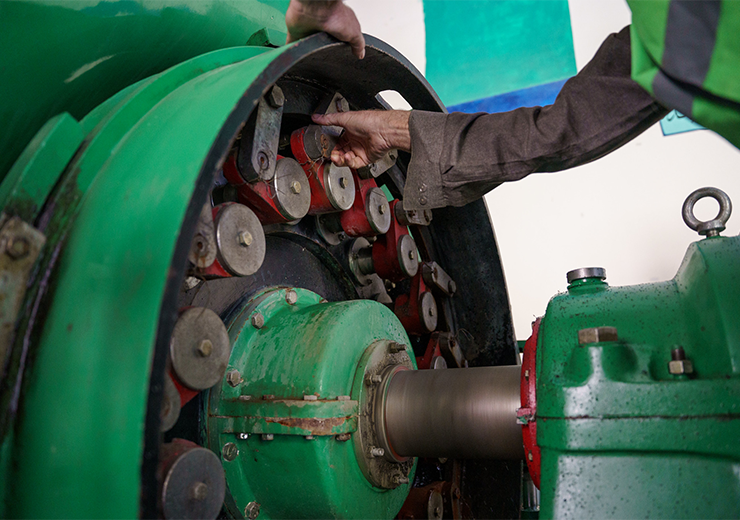
The programme will deliver a comprehensive package of climate-resilient interventions across all districts of Gilgit-Baltistan. The interventions will range from improving access to safe drinking water and sanitation services through 216 water supply and sewerage schemes. Additionally, 1200-1300kW of clean energy is also expected to be generated through hydropower initiatives.
It will also strengthen climate resilience through vulnerability assessments across all 110 Union Councils, alongside the green retrofitting of 3,000 households and energy-efficient, resilient construction of 700 households. The project will further invest in people and institutions through training in climate-smart planning, enterprise development and sustainable infrastructure management. The project is expected to support approximately 43,200 households (325,600 people), with women comprising at least 40% of those reached.
Welcoming the initiative, Honourable Chief Minister of Gilgit-Baltistan, Mr. Amjad Hussain Azaar, described it as “an important milestone for the sustainable development and prosperity of the people of the region and for protecting communities from the adverse impacts of climate change.” He noted that the project would deliver “improved access to essential services, electricity for remote villages, and employment opportunities for young people”, with community participation central to identifying and implementing interventions.
During the formal signing event, Northern Pakistan Energy Limited (NPak Energy) also presented the key findings of the Gilgit-Baltistan Energy Master Plan. Developed as a 30-year roadmap under AKF’s EU-funded Energy Plus project, a €31 million initiative supporting the transition towards a climate-resilient and low-carbon economy in Gilgit-Baltistan and Chitral, the Master Plan aims to establish a reliable, affordable and climate-resilient energy system for the region.
Developed in partnership with the Water and Power Department of the Government of Gilgit-Baltistan, NPAK Energy and other stakeholders, the Master Plan outlines a strategic pathway for addressing Gilgit-Baltistan’s energy deficit while harnessing its significant renewable energy potential.

Highlighting the significance of both initiatives, Ambassador of the European Union to Pakistan, H.E. Mr Raimundas Karoblis, said, “Today marks a pivotal moment in our shared commitment to a sustainable and resilient future for Gilgit-Baltistan.” He added that the launch of the project and handover of the Energy Master Plan reaffirm a shared commitment to “tackling climate change while fostering inclusive growth in Gilgit-Baltistan.”
The project builds on longstanding collaboration between development partners and local institutions to strengthen services, infrastructure and opportunities for communities across the region.
AFD Country Director for Pakistan, Mr. Marc-Antoine Leclercq, highlighted the strength of AFD’s partnership with AKF, noting that the project would benefit the population of Gilgit-Baltistan through “improvement of the basic services.” He added that it would help enhance the Government’s institutional capacity to implement a “community-driven approach” in remote areas of the region.
For AKF, the initiative reflects a continued commitment to supporting mountain communities through resilient infrastructure, renewable energy and locally led development. Mr Akhtar Iqbal, CEO of AKF in Pakistan, said the project reflects AKF’s “long-standing commitment towards improving the quality of life of mountain communities through climate-resilient infrastructure, renewable energy, strengthened local institutions, and inclusive economic opportunities.”
He added, “Through this partnership with the Government of Gilgit-Baltistan and our development partners, we aim to support communities in building a more resilient, sustainable, and prosperous future.”
The signing ceremony concluded with a renewed commitment by all partners to work collaboratively towards inclusive, resilient and sustainable development for the people of Gilgit-Baltistan.



Support our work Your donations are helping us build a future where we all thrive together.