
A new partnership with the Camões Institute – the Portuguese Cooperation Agency – will support coastal ecosystem restoration and community-led development in Kenya.

The Aga Khan Foundation (AKF) has signed a partnership agreement with the Camões Institute – the Portuguese Cooperation Agency – to support coastal ecosystem restoration and community-led development in Kenya.
The agreement was signed on 16 April during a visit to Kenya by His Excellency Mr. Paulo Rangel, Minister of State and Foreign Affairs of the Portuguese Republic, from 14 to 16 April 2026. The visit underscores the deepening engagement between Portugal, Kenya and the Aga Khan Development Network and reflects a shared commitment to advancing sustainable development, climate resilience and inclusive economic growth.
The Aga Khan University hosted Minister Rangel and Ambassador-designate of Portugal to Kenya, Paulo Pocinho, and other members of the delegation, as well as Comendador Nazim Ahmad, Diplomatic Representative of the Ismaili Imamat to Portugal, at its Nairobi campus, where the signing took place.
The agreement was signed by Ms. Susan Otieno, Chief Executive Officer of AKF Kenya, and Ambassador designate of Portugal to Kenya, Paulo Pocinho, marking an important step in strengthening collaboration between Portugal and the Aga Khan Development Network.
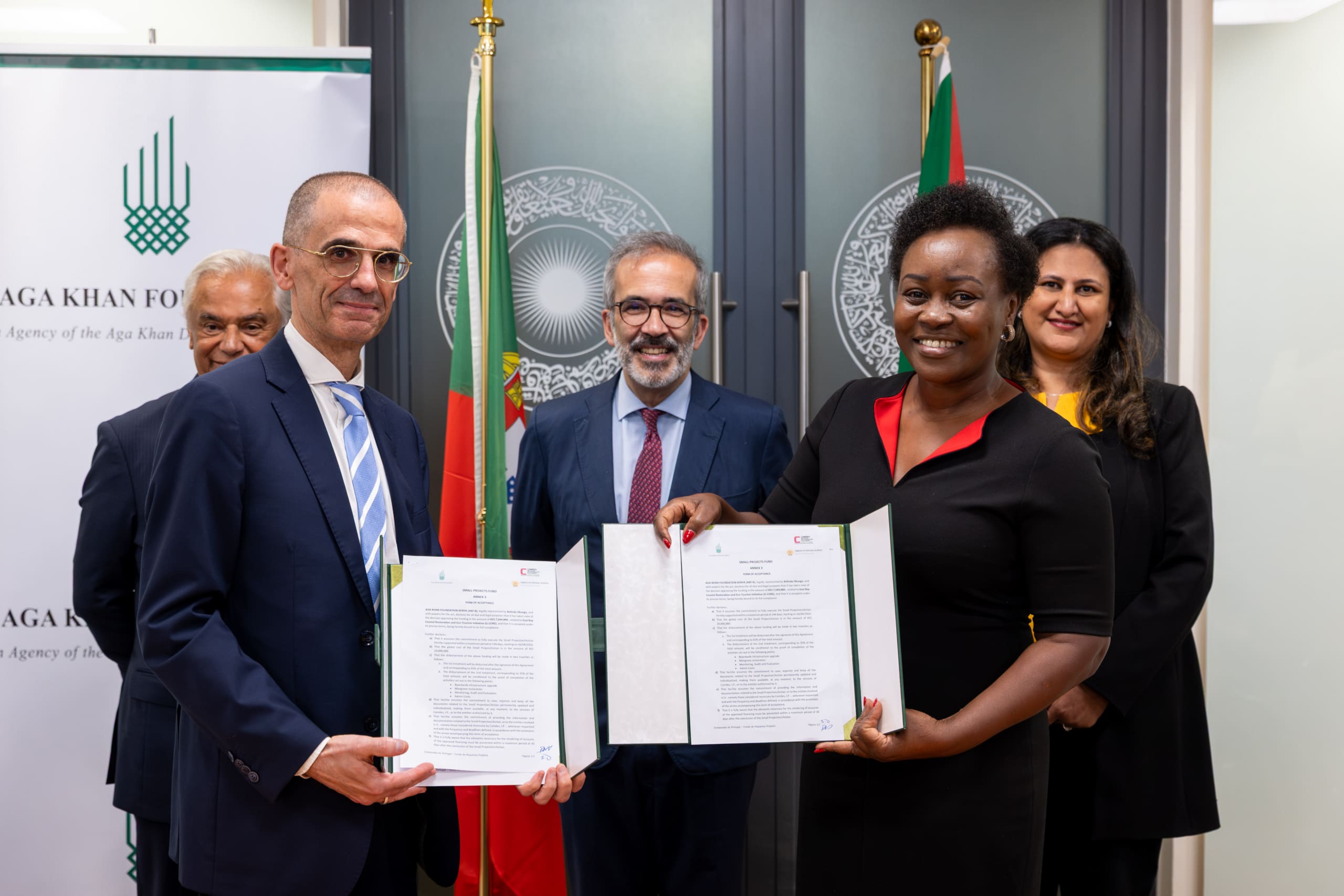
The agreement was signed by Ambassador designate of Portugal to Kenya, Paulo Neves Pocinho, and Ms. Susan Otieno, CEO of AKF Kenya | Photo: AKF / Christopher Wilton Steer
The partnership will support the ‘Gazi Bay Coastal Restoration and Eco-Tourism Initiative (G-CORE)’ in Kwale County, Kenya. This initiative forms part of AKF’s broader Indian Ocean ‘ReGeneration’ Initiative and focuses on restoring degraded mangrove ecosystems while strengthening community livelihoods through sustainable eco-tourism.
Gazi Bay, a critical coastal ecosystem, has experienced significant degradation due to deforestation, altered hydrology and coastal erosion, compounded by climate-related pressures such as rising sea levels and storms. These challenges have adversely affected both biodiversity and the livelihoods of local communities.
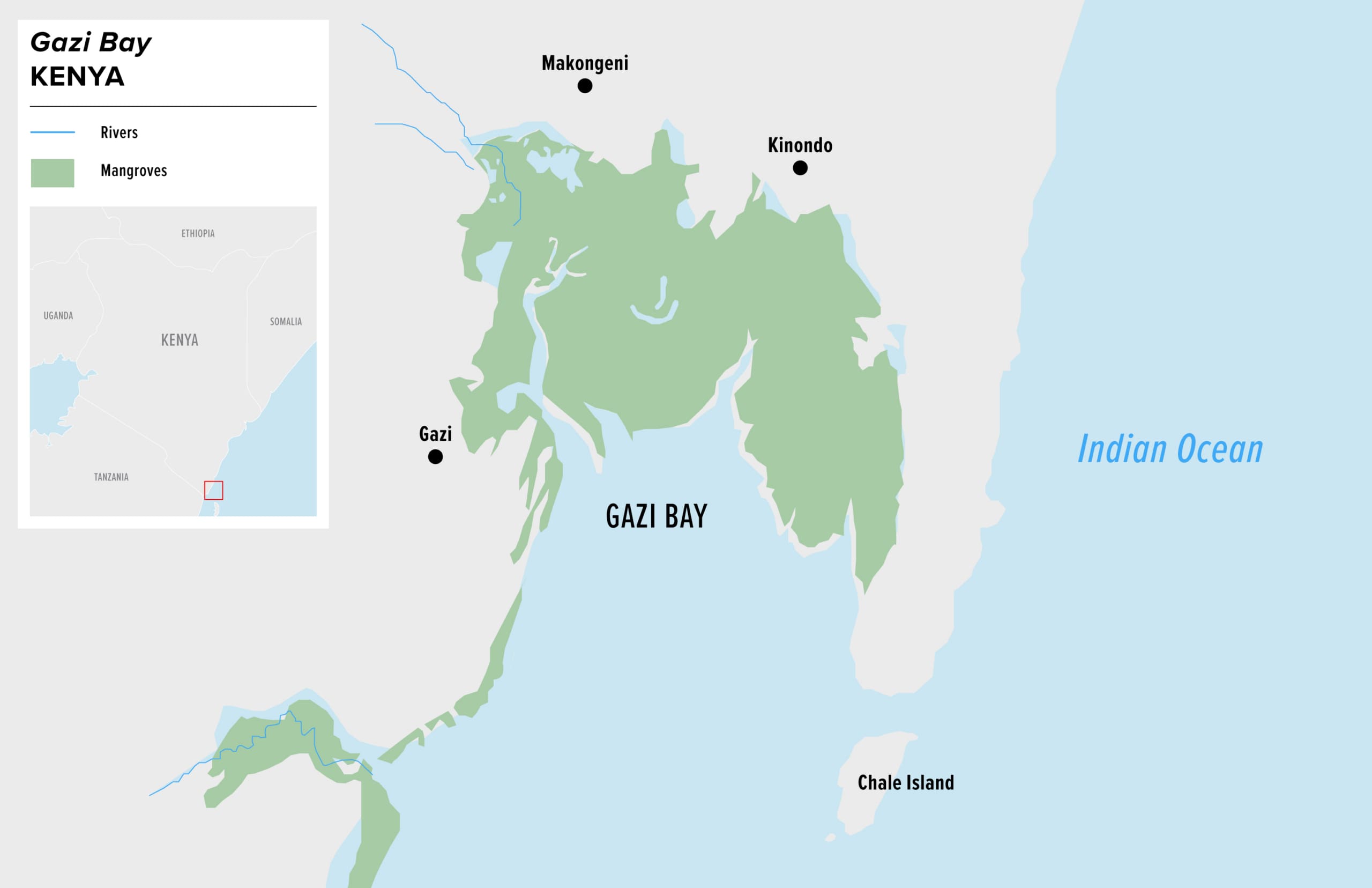
Gazi Bay is located in southern Kenya’s Kwale County | Map: AKF
Through G-CORE, AKF Kenya and its partners are implementing a community-led approach that combines ecological restoration with economic opportunity.
Activities include planting approximately 65,000 mangrove seedlings across six hectares, as part of AKF’s broader effort to restore 226 hectares of mangrove forest in Gazi Bay in partnership with the Kenya Forest Service, alongside training community members in conservation practices, upgrading eco-tourism infrastructure such as the Gazi Boardwalk and strengthening local enterprises, with a particular focus on women and youth.
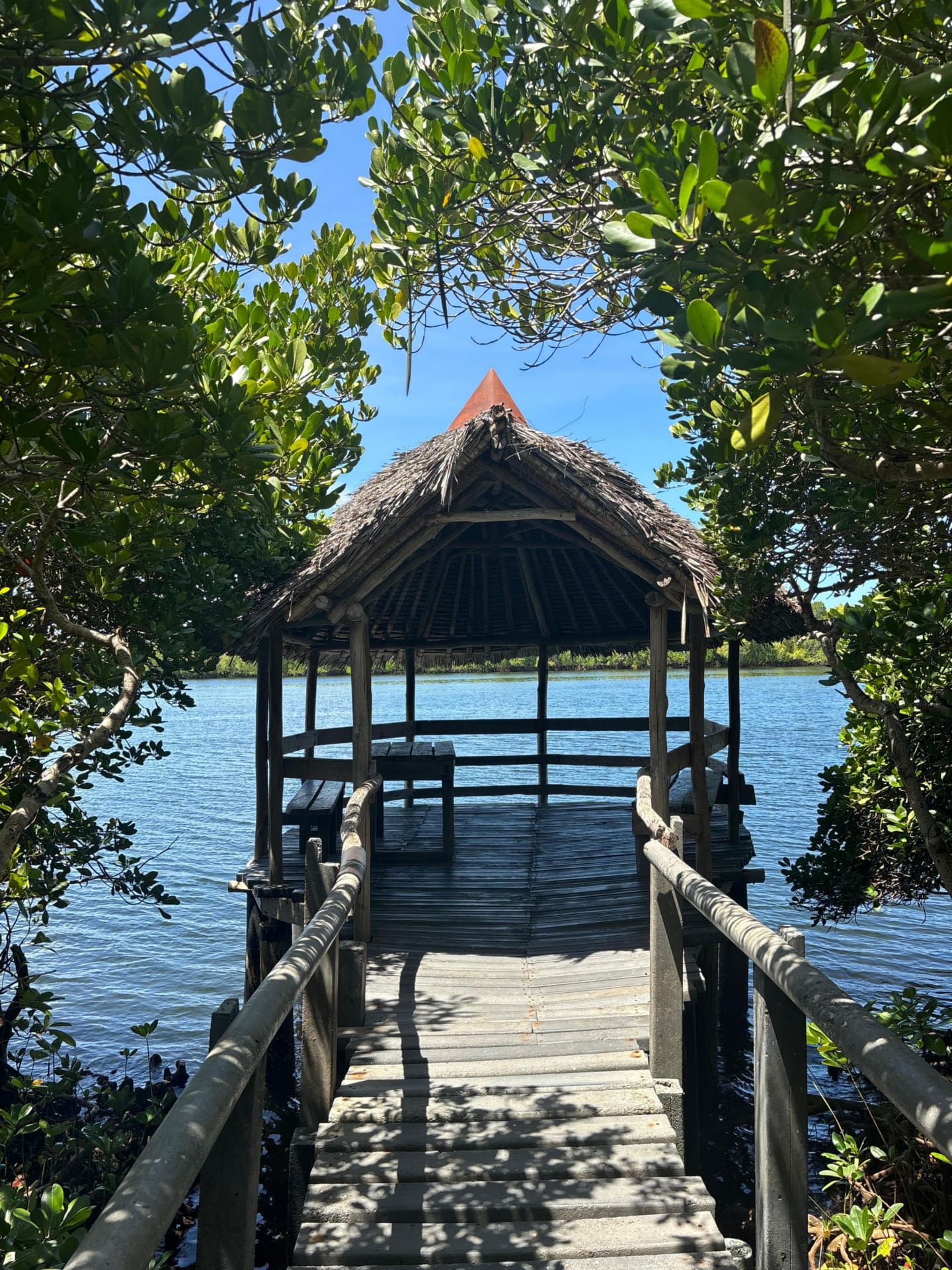
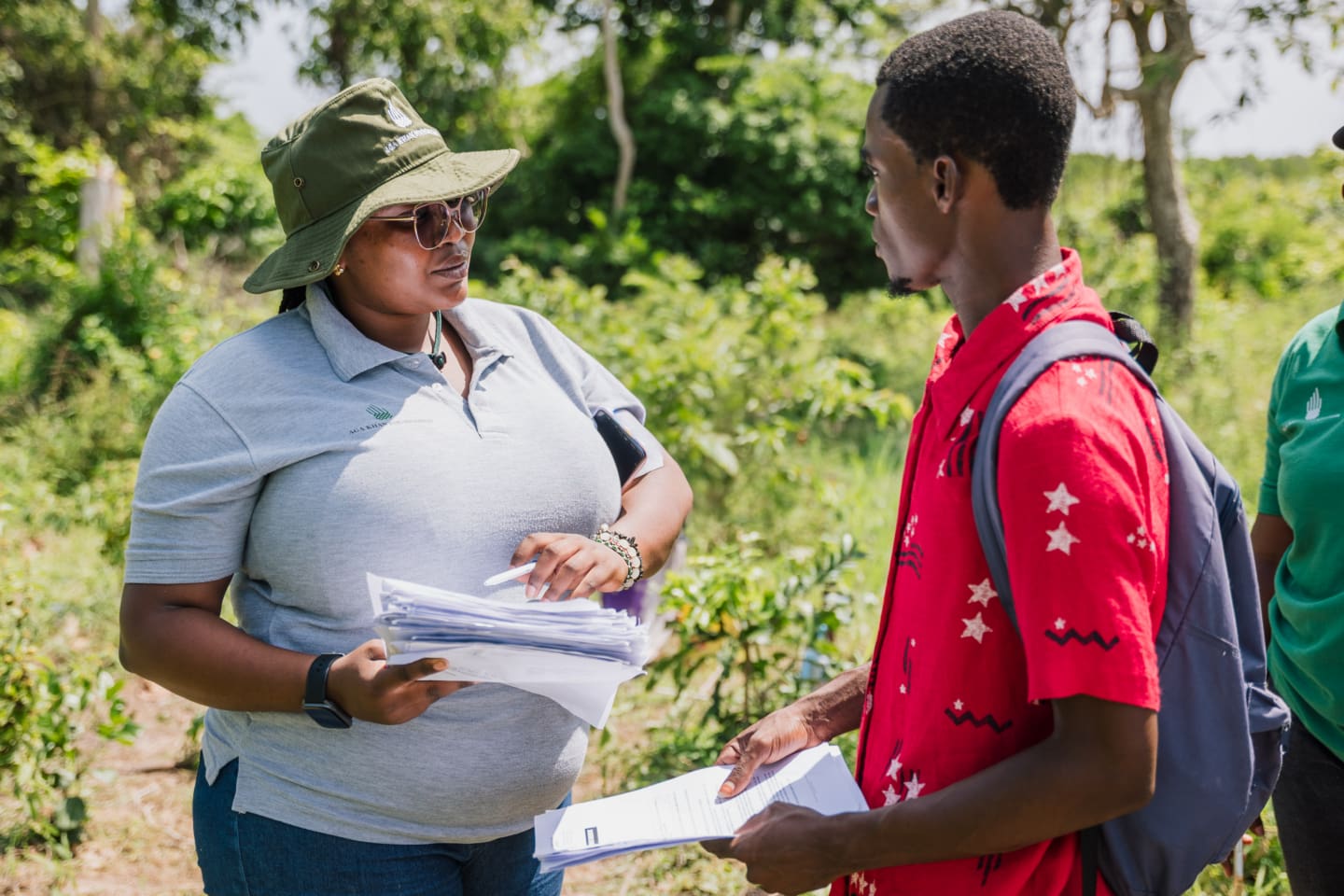
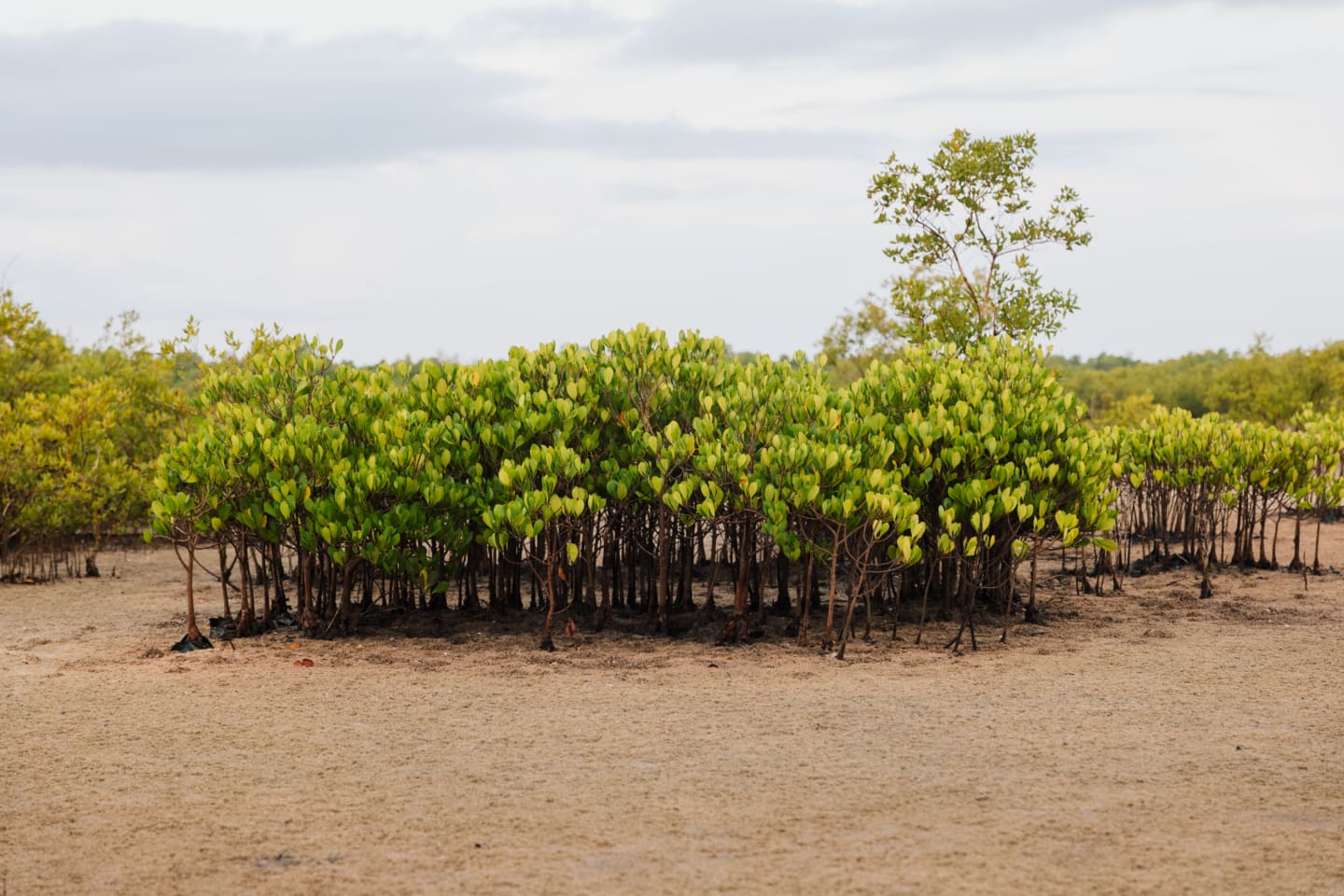
Portugal’s contribution through the Camões Institute will partially fund the initiative, aligning with shared priorities on climate adaptation, marine conservation and the development of Kenya’s blue economy.
“The Aga Khan Development Network remains committed to working with partners across sectors to advance climate resilience, environmental stewardship, and inclusive development across the regions it serves,” said Amin Mawji, Diplomatic Representative of the Aga Khan Development Network in East Africa.
Our thanks to the Government of Portugal and the Camões Institute for their partnership.




Support our work Your donations are helping us build a future where we all thrive together.