AKF pledges $20m to support quality teaching and holistic learning outcomes across Asia, Africa and the Middle East
AKF’s pledge supports the Global Partnership for Education’s Multiply Possibility campaign, which aims to turn the tide on the global learning crisis by providing better education to nearly 750 million children globally and training 10 million teachers by 2030.

At the Global Partnership for Education (GPE) High-Level Replenishment Event during the 81st UN General Assembly, the Aga Khan Foundation (AKF) pledged $20 million to support access to quality education for the most marginalised learners in nine countries across Asia, Africa and the Middle East.
AKF’s pledge unlocks the GPE Multiplier, an innovative financing instrument that provides 1:1 match financing in alignment with country-led education reform priorities. The nine GPE-eligible countries are Afghanistan, Kenya, Kyrgyz Republic, Mozambique, Pakistan, Syria, Tajikistan, Tanzania and Uganda.
“Every child deserves a safe place to learn, a well-prepared teacher and a system that is working in their best interest. That is what this pledge is designed to support, in some of the most difficult places in the world to go to school. By partnering with GPE, every dollar we commit is doubled – and so is the difference it makes for learners and teachers,” says Dr. Matt Reed, AKF’s Director of Institutional Partnerships and UK CEO.
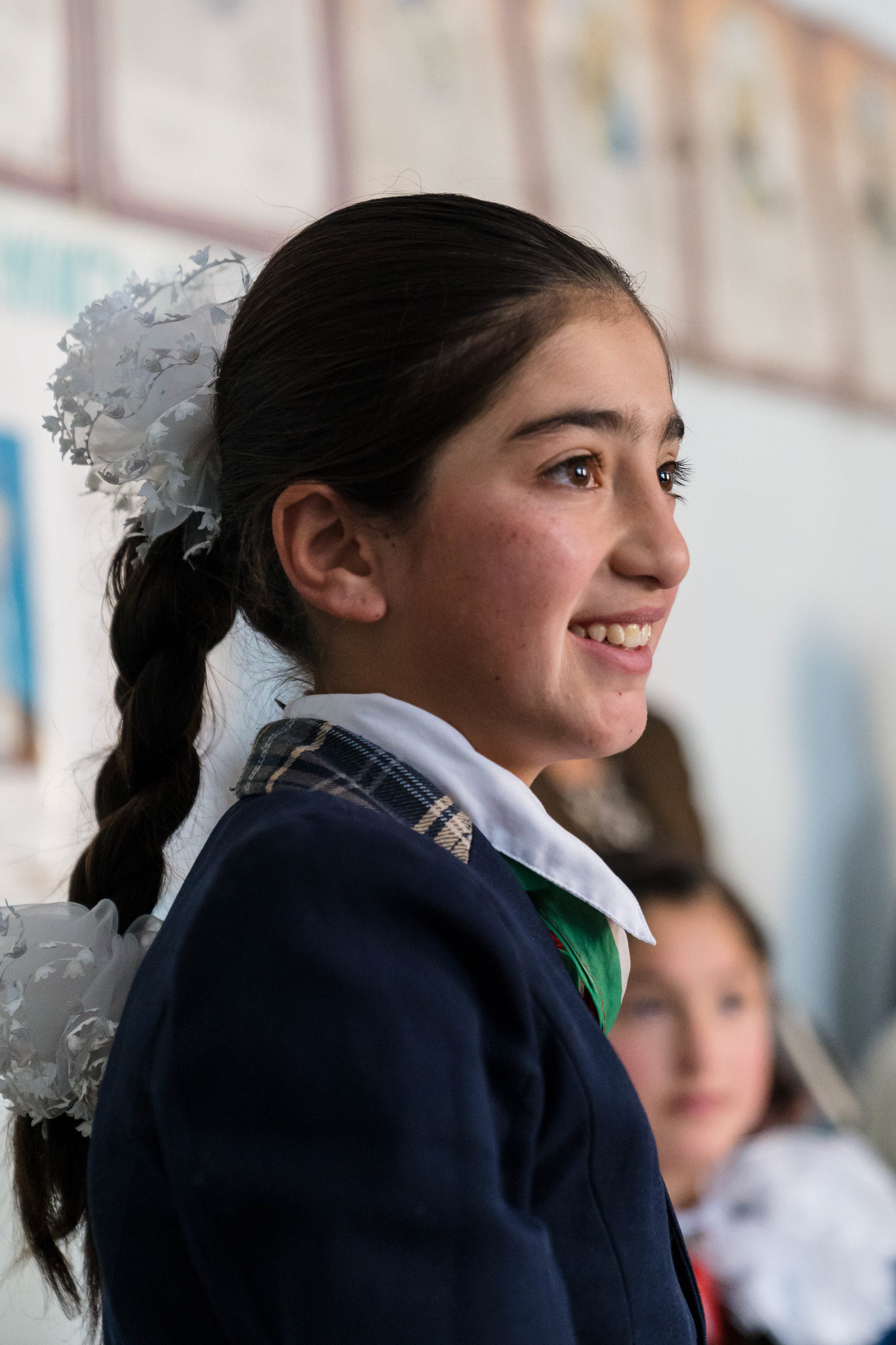
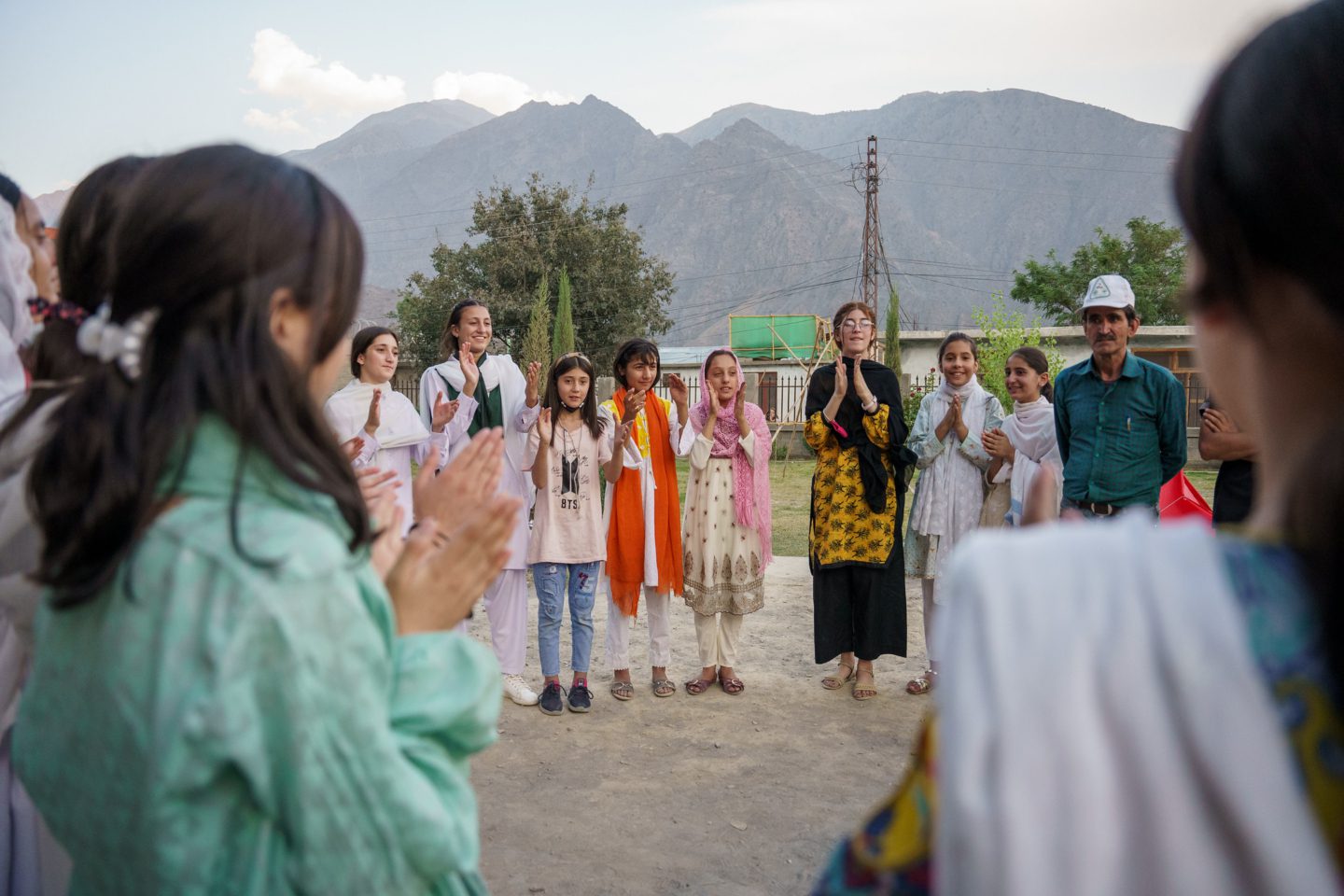
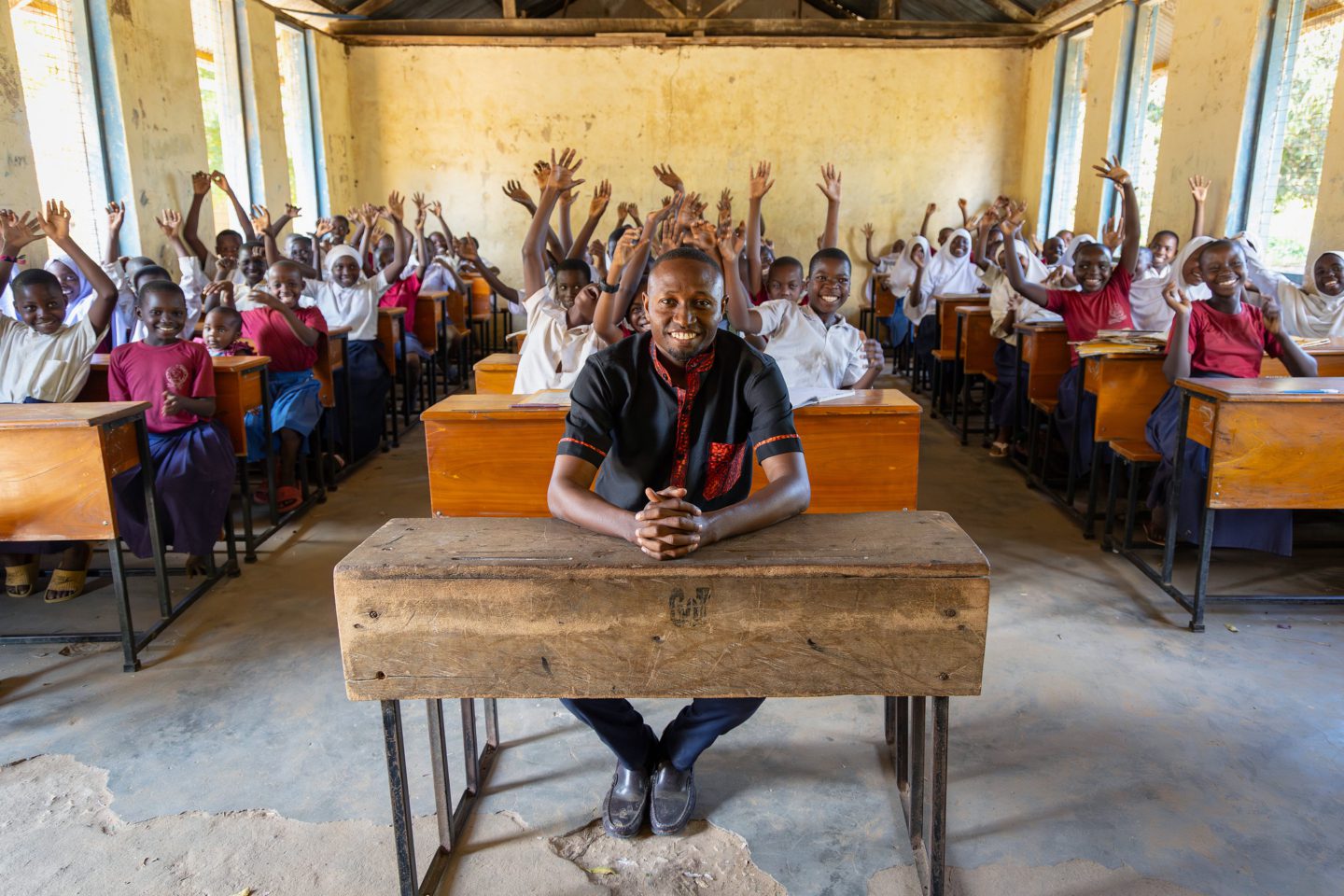
AKF’s pledge to GPE2030 rests on three convictions about what it takes to improve learning for all over the next five years together:
- The first is that every child deserves a safe, inclusive and quality place to learn.
- The second is that all teachers deserve sustained support to succeed – both while they are training to become new educators and throughout their teaching careers.
- The third is that all education systems deserve to be supported by a diverse coalition of partners with sustainable financing, evidence-based solutions and a recognition that tomorrow’s society depends on what happens in the classrooms of today.
Working in partnership with Ministries of Education, GPE local education groups, civil society organisations, philanthropies, the private sector, donors, teachers, students and the wider GPE, AKF’s investments seek to operationalise these convictions and support teachers to ensure all students gain the literacy, numeracy and social-emotional skills needed to navigate an ever-changing world.
"Every child deserves a safe place to learn, a well-prepared teacher and a system that is working in their best interest. By partnering with GPE, every dollar we commit is doubled – and so is the difference it makes for learners and teachers.”Dr. Matt Reed – Director of Institutional Partnerships and UK CEO, AKF
Five strategic pillars for holistic learning outcomes
AKF’s pledge to GPE2030 is intended to support priorities in education transformation across a multi-dimensional approach, including, but not limited to five strategic areas important to AKF and its local, national and global partners:
Teacher agency and leadership: Teachers’ preparation and licensure pathways, ongoing professional development, and a recognition of their roles as leaders of learning. All educators deserve the support and tools they need to succeed in the classroom and throughout their careers.
Holistic student learning outcomes: Students’ holistic learning outcomes include literacy, numeracy, social and emotional skills, leadership and the ability to respond to and navigate ever-changing challenges and opportunities in their communities.
Inclusive and pluralistic education systems: Inclusive access to quality education for all learners, especially for girls, children with disabilities, children with learning differences, displaced learners and other marginalised learning communities; emphasising an ongoing need to support pluralism in and through education.
Climate-responsive and nature-based education: Climate-responsive and nature-based education offer learning approaches that help communities respond to ever-changing environmental challenges; it is essential, therefore, to see climate actions and nature-based education as catalytic pedagogical approaches for improving students’ holistic learning outcomes and protecting the future of the planet as a whole.
Innovation and design thinking for the future of education: Responsible, locally informed approaches to employing human-centered design principles and methods to ensure teachers and learners are positioned as essential design partners in determining when and how new education technologies, AI and new innovations can best support quality teaching and learning for all.
“We believe that GPE2030’s next five-year strategy focuses on what matters most for the future of education – strengthening the future of the teaching profession for millions of educators and improving holistic learning outcomes for millions of students around the world,” says Dr. Andrew Cunningham, Global Lead for Education at AKF and GPE Board Member Representative for the Private Foundations Constituency.
“We see GPE2030 as a strategic opportunity to do things differently across the partnership moving forward – a chance to become more innovative, inspired and inter-connected across often disconnected people, policies and programmes in global and local education initiatives. By continuing to collaborate and calibrate together through GPE2030, we have a collective opportunity to truly ‘multiply possibilities’ and achieve new historic levels of improved holistic learning outcomes for millions of learners by 2030,” Cunningham continues.
Schools2030: AKF’s commitment to delivering quality education for all
AKF’s pledge to GPE2030 builds on its global flagship education programme, Schools2030.
Over the last five years, Schools2030 has worked directly with more than 21,000 teachers and 2,500 school leaders across ten countries, reaching 640,000 students through teacher-led, holistic learning innovation. This work has focused on developing practical approaches to improving teaching and learning in diverse contexts and championing the role of teachers as key change agents in education reform.

"We need to reimagine a post-SDG global education consensus that puts teachers at the centre; that re-casts teaching as a collaborative, active and transformational profession; and that elevates teacher professional development as a dynamic and lifelong endeavour.”Dr. Bronwen Magrath – Global Programme Manager, Schools2030
GPE2030’s strategy names teacher professional development and holistic learning outcomes as key results it will track across every partner country through its investments. Schools2030 is building the evidence, partnerships and practical tools this global commitment calls for, creating the opportunity to take that evidence and these approaches into wider education systems, adapted to remain relevant to national priorities and local needs.
As Dr. Bronwen Magrath, Schools2030 Global Programme Manager, says, “UNESCO’s Teacher Task Force estimates the world needs 44 million new teachers by 2030. But this is not just about numbers. As we look towards 2030 – only four years away – we need to reimagine a post-SDG global education consensus that puts teachers at the centre; that re-casts teaching as a collaborative, active and transformational profession; and that elevates teacher professional development as a dynamic and lifelong endeavour.”
“That is why AKF’s pledge to GPE2030 is so important at this time. This pledge unlocks opportunities for millions of young people, who remain the ultimate inspiration for our work,” Magrath concludes.

AKF will remain a catalytic partner of the GPE in and through its Schools2030 programme and wider global education portfolio. AKF will continue to support both country- and global-level efforts to realize the full potential of the GPE2030 strategy and thereby co-deliver lasting results for teachers and learners in some of the most challenging contexts in the world.
GPE’s Multiply Possibility
AKF’s pledge comes as part of GPE’s Multiply Possibility campaign. Co-hosted by the Prime Minister of Italy, Giorgia Meloni, and the President of Nigeria, Bola Ahmed Tinubu, the campaign aims to turn the tide on the global learning crisis by providing better education to nearly 750 million children globally and training 10 million teachers by 2030.


Support our work Your donations are helping us build a future where we all thrive together.