

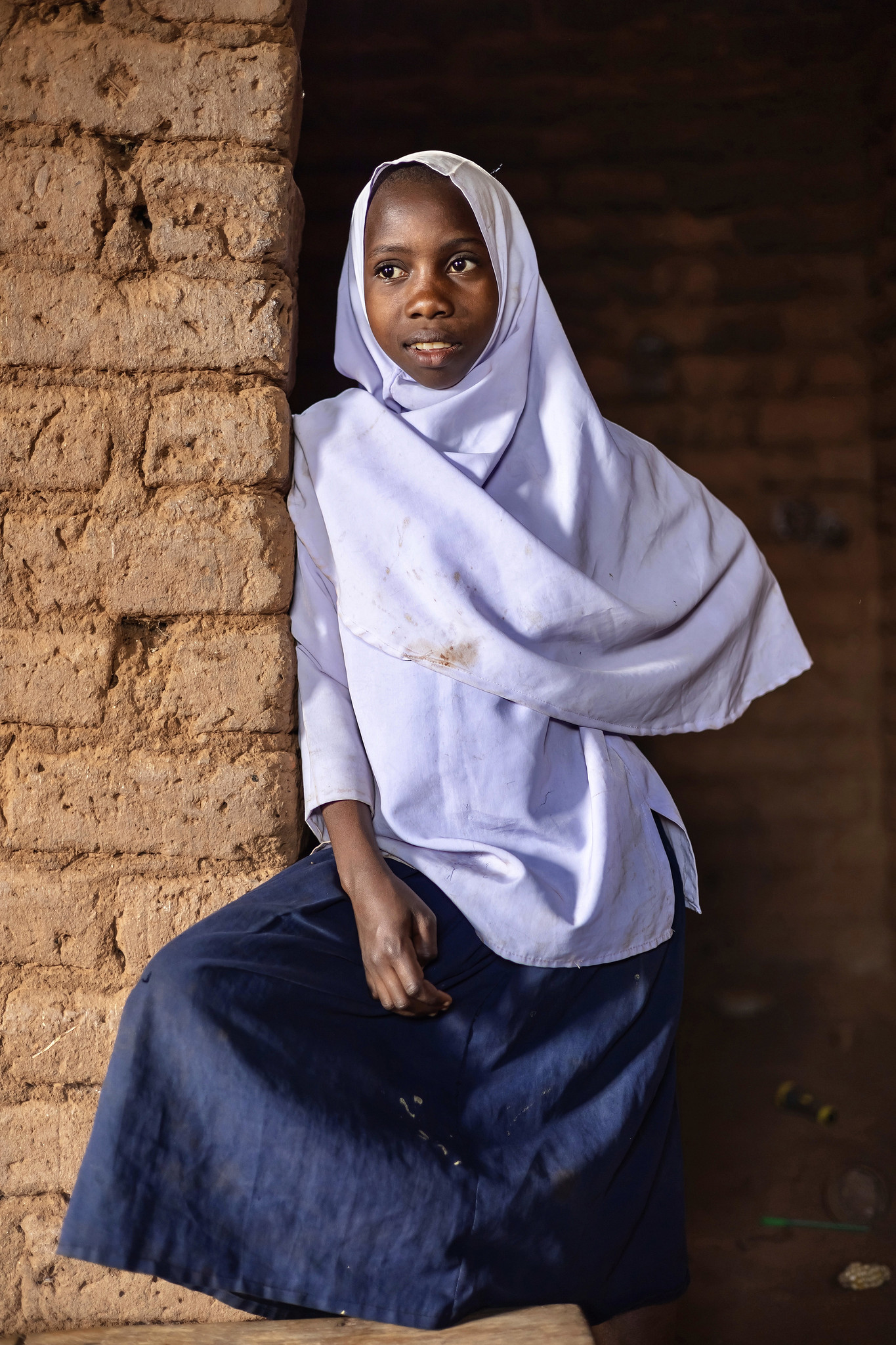
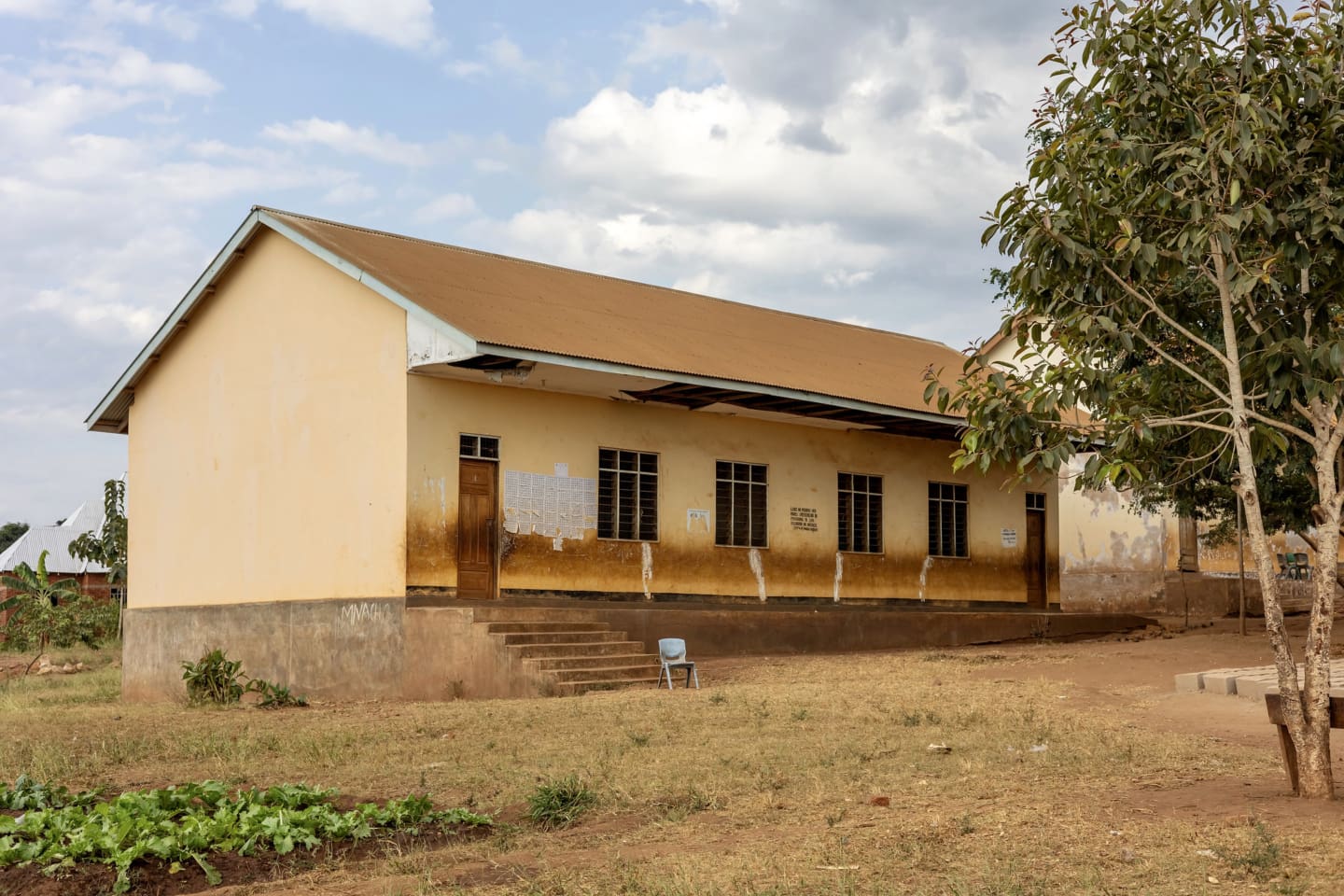
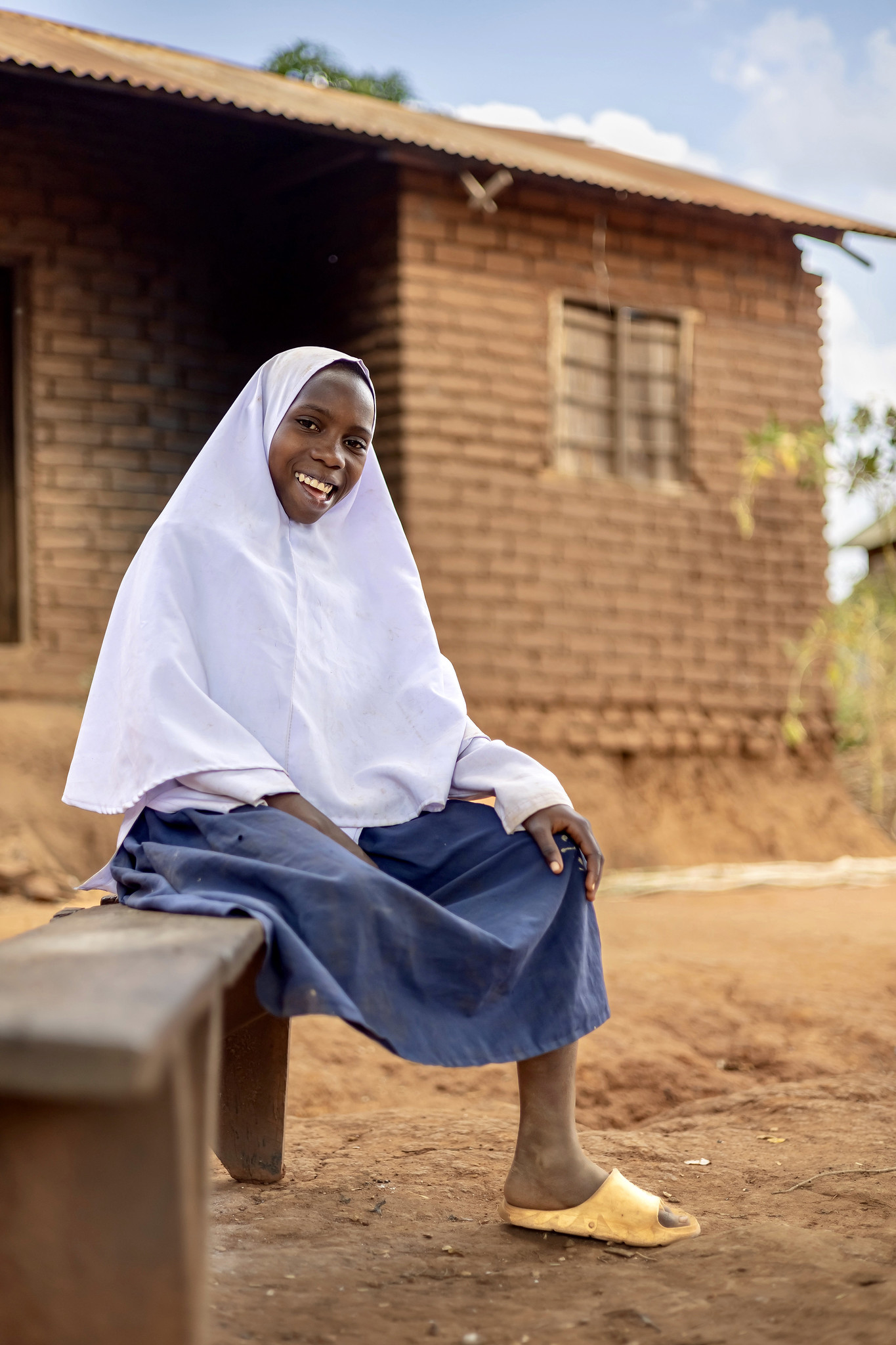
Like thousands of other primary students in rural Tanzania, 12-year-old Sharifa was often in-and-out of school. Sharifa lives in Mnacho, a rural community in the Lindi region of southern Tanzania.
“In the past, I wouldn’t go to school every day. I’d skip school because we weren’t fed at school,” said Sharifa.

While primary education is free in Tanzania, some schools ask parents to support school feeding programmes, either through monthly fees or by contributing food supplies like maize flour. For some, these costs and contributions are often too high to meet.
For girls like Sharifa, accessing education is also hindered by negative attitudes towards girls’ education, child marriage, and the unequal burden of domestic responsibilities.

Ali, a nutrition teacher at Sharifa's school, noticed that lunchtime was a challenge for many students.
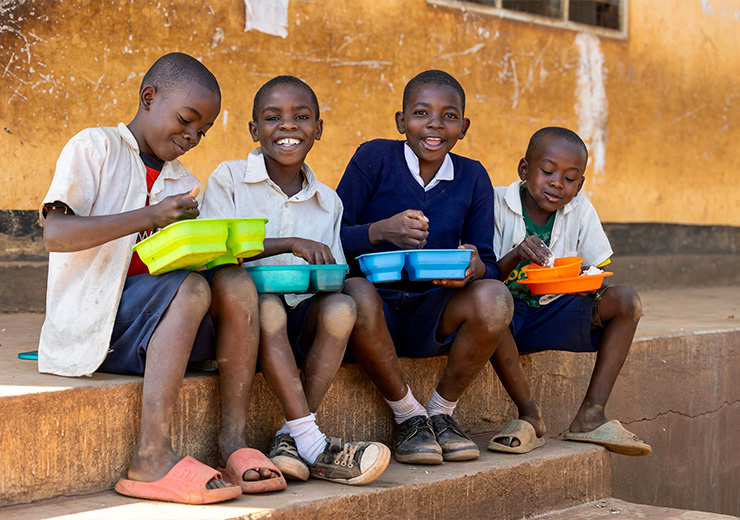
The Mnacho school meal programme was not affordable for some students, who often had no choice but to walk back home for lunch. “[But] many parents aren’t back yet from the farm… when they go home to eat food, they find that their parent isn’t home,” explained Ali.
Some students would wait for their parents, and others tried to cook for themselves. As a result, many couldn’t make it back to school on time. Fearing the consequences of being late, most chose not to return at all.

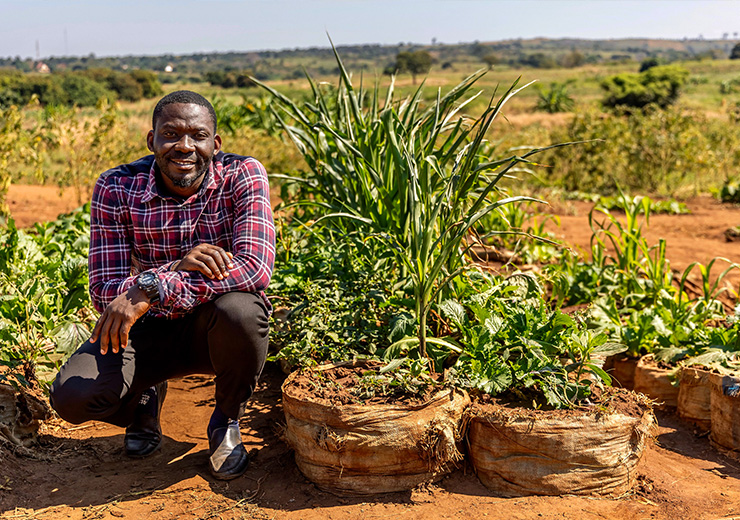
When Teacher Ali heard about a committee aimed at finding solutions to help students stay in school, he decided to join. This committee was supported by AKF as part of a programme supporting education systems at the pre-primary and primary levels.
Teacher Ali and his team decided to pilot a food-producing farm to increase school attendance.
“We named our team ‘Team Wapambanaji’ [meaning ‘The Fighters’ in Swahili], because the people here are fighters, [they] work hard to earn a living through farming activities. There is a spirit of determination.”Ali, Teacher
“It was a good, strong idea due to the resources around Mnacho Primary School,” said Teacher Ali.
“The first resource is land… The other resource is water; it is available in nearby places. The other resource is people. There are parents and guardians of students and teachers too.”

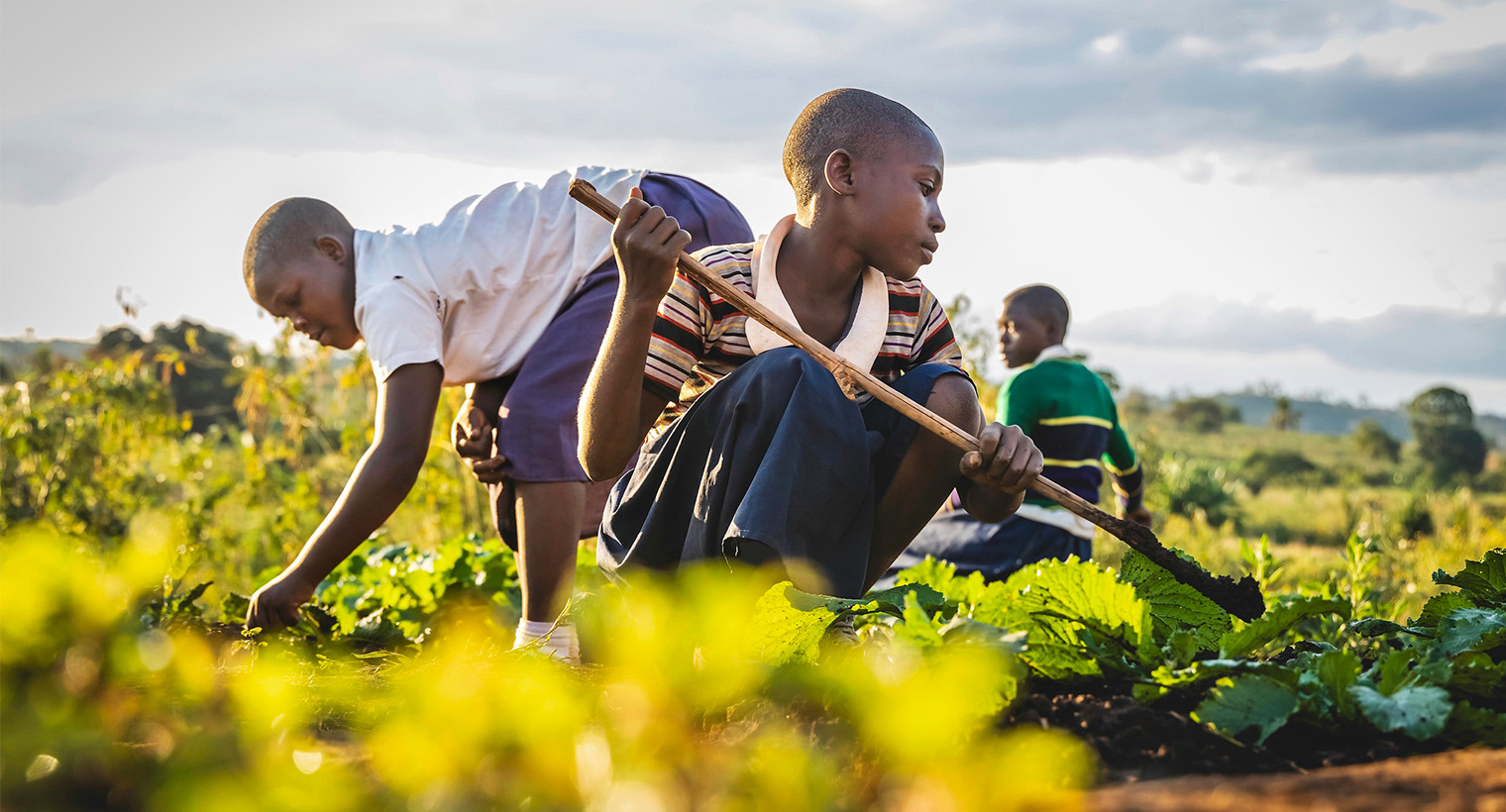
Now, tucked away behind Mnacho Primary School is a 2.5-acre garden, which grows pigeon peas, cabbage, spinach, and maize.
School gardens are a learning tool in a myriad of ways – they enhance learning in science, health, and nutrition classes like Teacher Ali’s class, and help develop socioemotional skills like teamwork and communication.
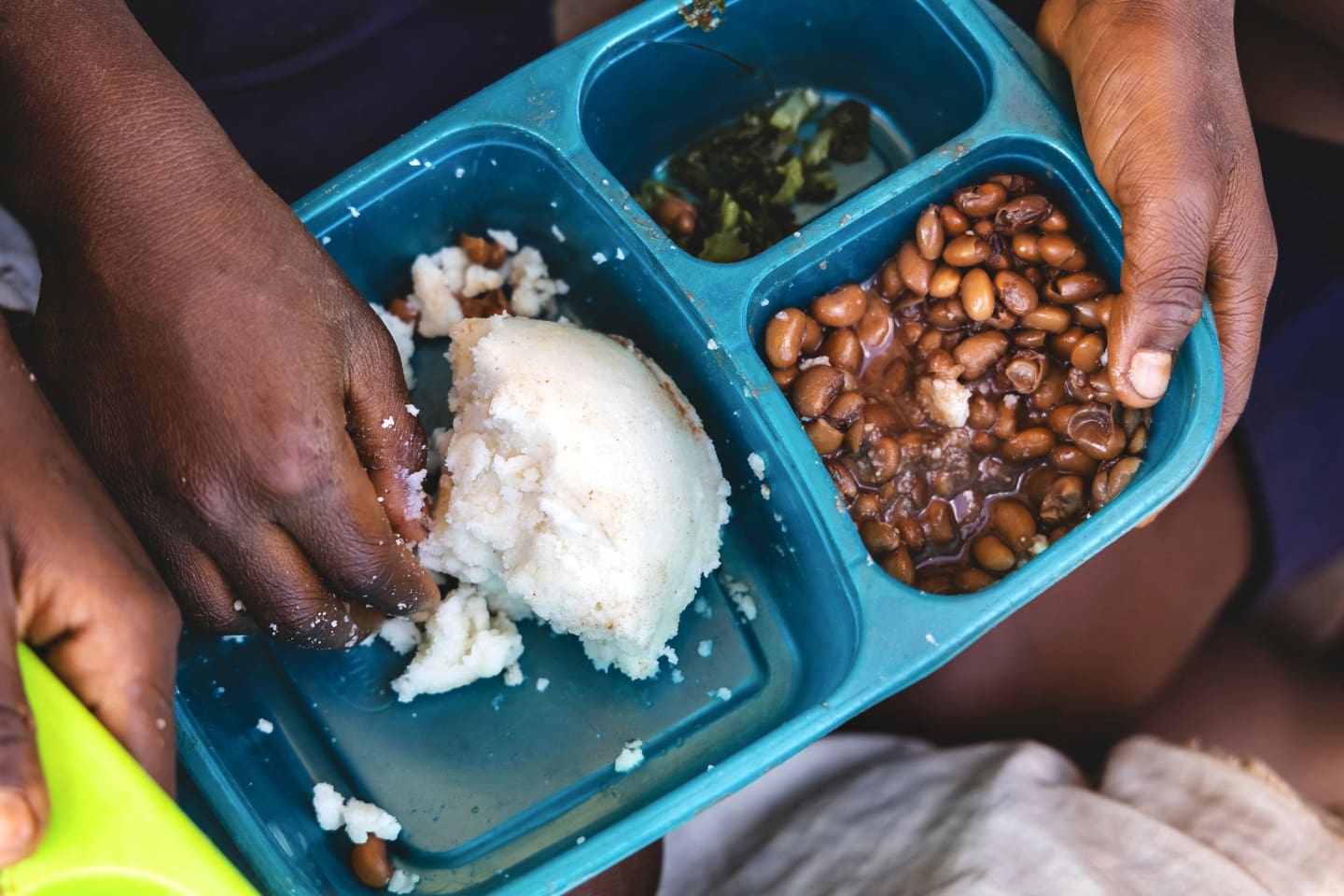
Students take turns tending to the garden every morning and evening, weeding the plants and fetching water from the nearby stream. Meanwhile, parents, grandparents, and community members take turns harvesting the crops and preparing meals, providing lunch for every student.
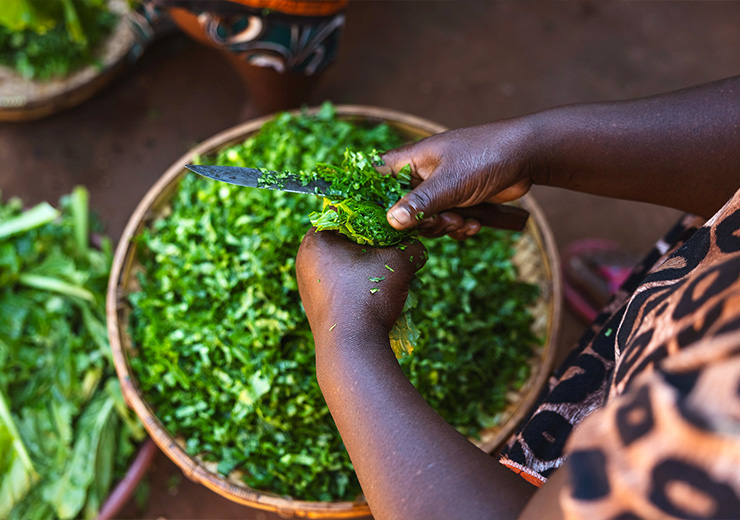
Arafa, Sharifa’s mother, is one of the parents who volunteers to prepare the school meals.
Since Sharifa has started eating lunch every day at school, Arafa has noticed not just improved learning and better academic performance but also changes in her daughter’s health and well-being.
“[Sharifa] was quite small before, but after [the school meal programme], I see her body is improving and becoming stronger.”Arafa, Sharifa's mother

The success of the garden at Mnacho Primary School has meant that other schools in the region have started to adopt this solution – like at this primary school in Chienjele, located in a neighbouring village.
While the garden at Chienjele Primary School is only several months old, it is already lush, growing a variety of crops like pigeon peas, pepper, cabbage, and lemongrass.
“Teachers [from other schools] that received training came and shared their knowledge with us,” said Teacher Evalina, a pre-primary teacher.
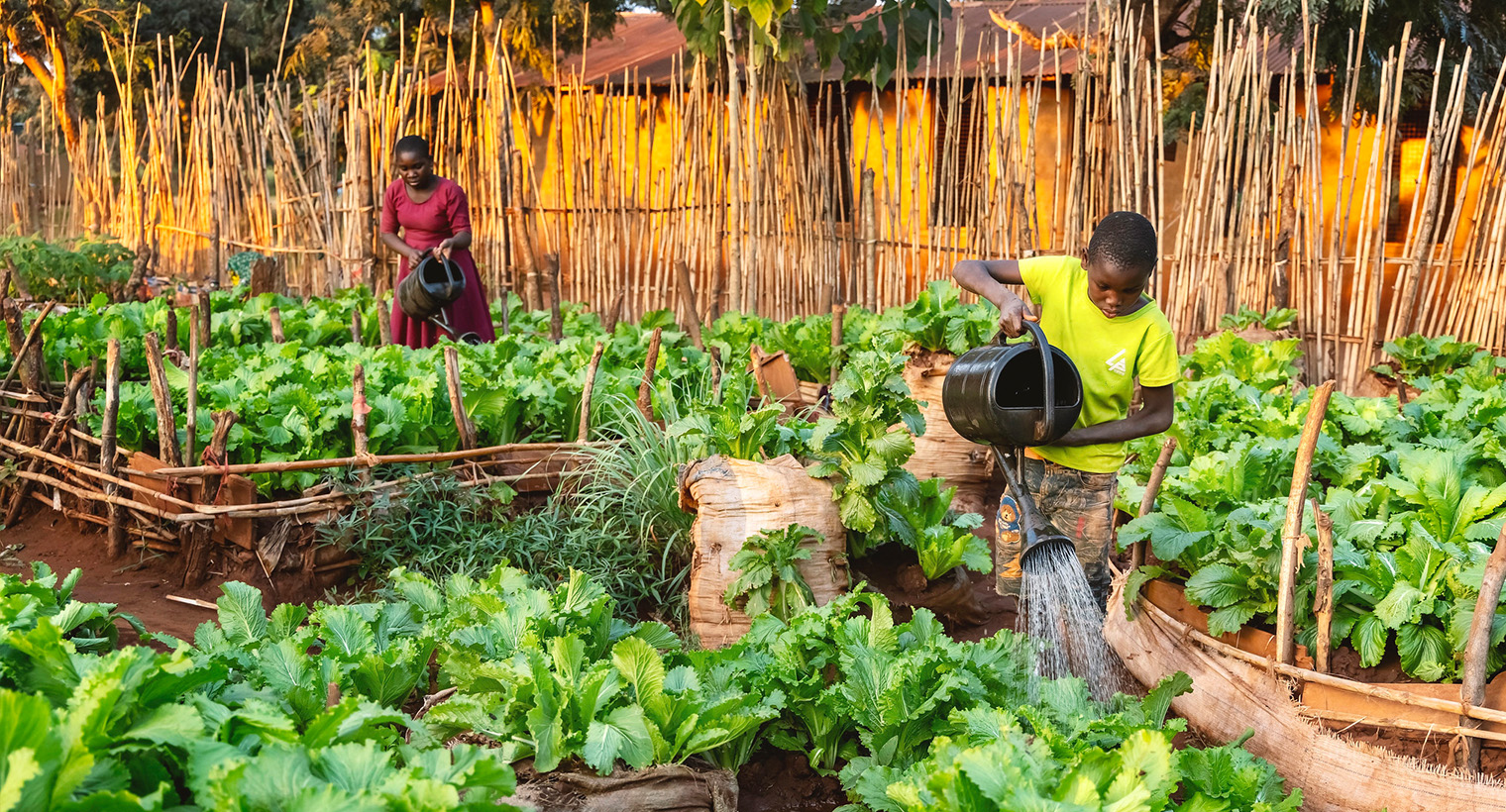
Chienjele Primary School was supported by a Green Champion, a local youth trained in regenerative agriculture, part of another AKF initiative in East Africa.
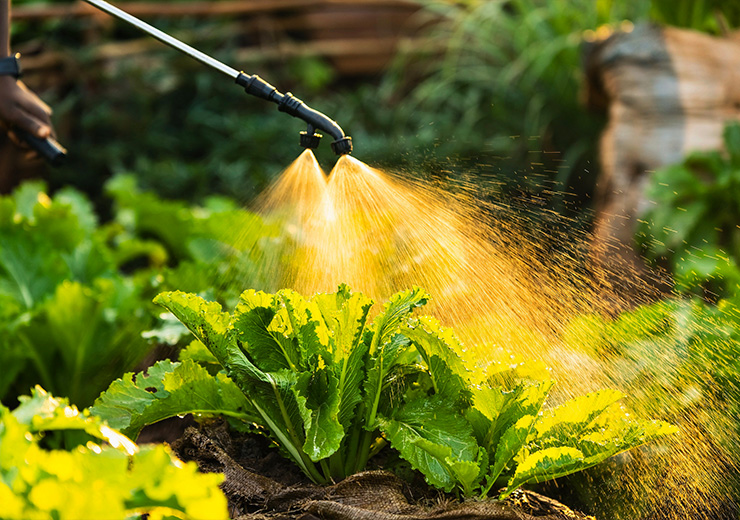
Dotted around the school are small drip irrigation set-ups, one of the easy, low-cost solutions suggested by their Green Champion. The school also makes its own biosprays – natural fertilisers and pesticides – using locally-available materials like crushed, dried leaves and manure.
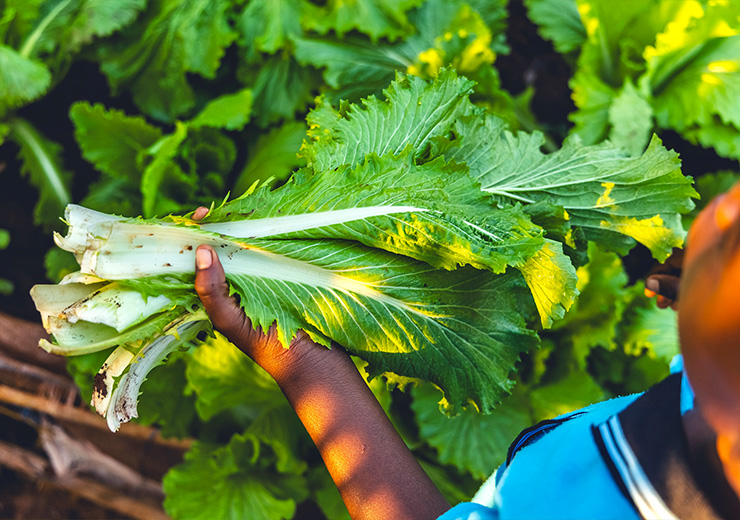
Parents are supportive of the school garden, because they know their children will be eating nutritious meals at school and parents can continue household or farming duties – without having to worry about their children or leave work during the day. Some parents have also come to the school to see the garden and learn about growing more resilient and nutritious crops.
“Education is the act of gaining different kinds of knowledge, from various sources, and that knowledge can be formal or informal. It can be in the classroom… but we can also get it outside the classroom, for example, learning about gardening,” said Teacher Evalina.

The school gardens have not only become a place of learning for students, but also their parents. Teacher Evalina says that students often tell their parents what they have learned, and some students have started their own gardens at home.
“The vegetables attract children because they know they’ll get delicious food, nice vegetables… they come to school on time, but also, they are very active in engaging in agricultural activities,” Evalina said. “They go, ‘Teacher, I want to try! Teacher, I want to harvest the vegetables!’.”
“Students can now regularly attend school because even if their family is a low-income family and can't have dinner, when they come to school, they're sure that they can have lunch at school and be full, they are more likely to stay [in school].”Evalina, Teacher

What began as a small effort by a determined group of teachers like Ali, parents, and students in rural Lindi has grown into a model of what’s possible when people come together. The school gardens at Mnacho Primary School and Chienjele Primary School aren’t just feeding students; they are addressing barriers to education, improving their health, and helping to build a future where every learner can thrive.
Photos: Rich Townsend.
This story is part of the Foundations for Education and Empowerment programme, supported by Global Affairs Canada.


Support our work Your donations are helping us build a future where we all thrive together.