

Work & Enterprise
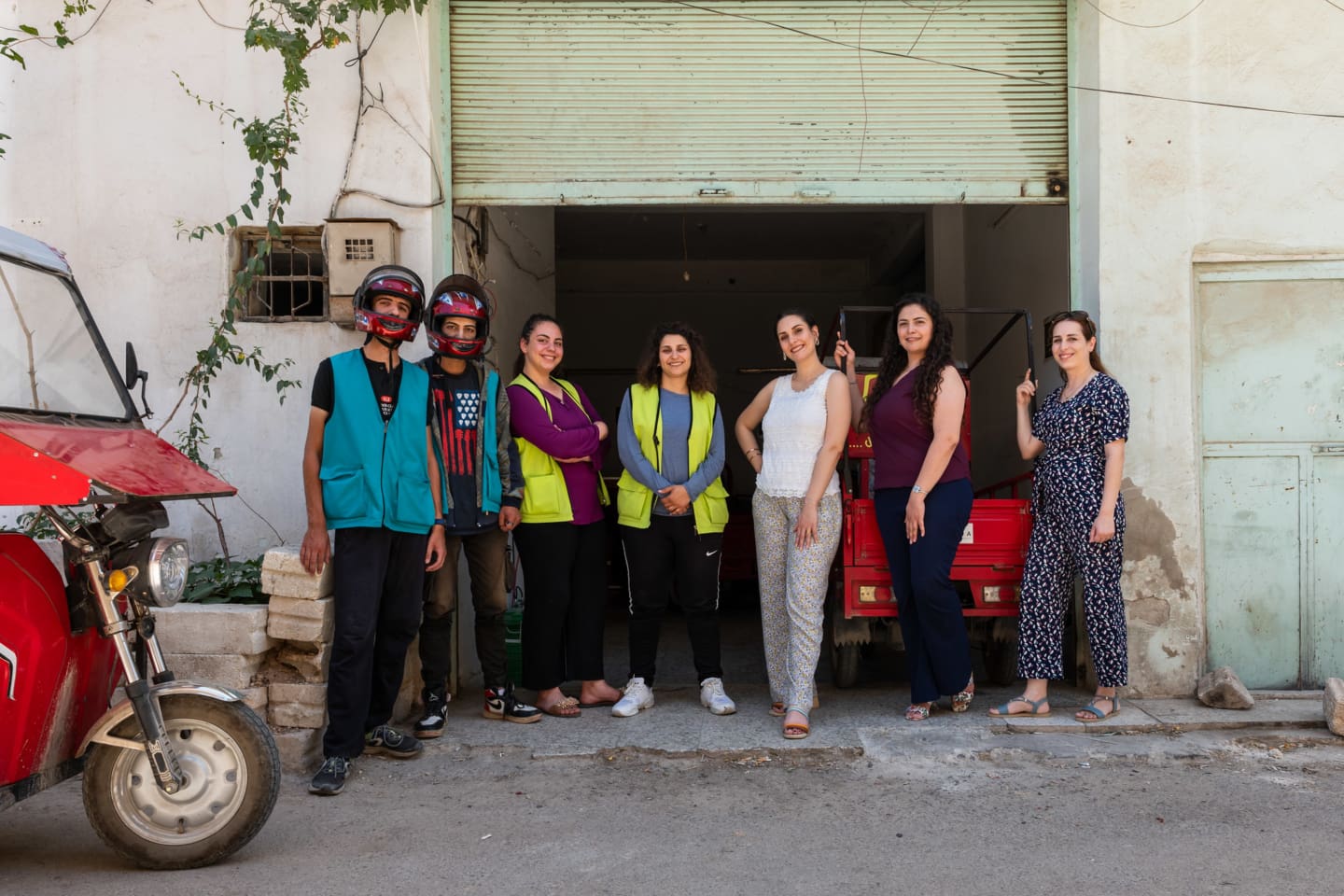
When Noor, Riam, Yemar, Riam and Hadeel attended an Aga Khan Foundation (AKF) human-centred design training workshop, they didn’t expect to emerge as businesswomen.
“The training focused on generating ideas to solve problems in the community we live in. By the end of the training, we came up with an idea to improve the living conditions in Salamieh by enhancing delivery services,” said Riam. “Our goods delivery business, Wassel, is competitively priced and uses eco-friendly vehicles that run solely on electricity.”
The Wassel team competed for two AKF grants, the first of which helped them buy three tuk-tuks, a solar power system and office furniture. When the solar system proved insufficient to charge the busy vehicles, the second grant financed its expansion.
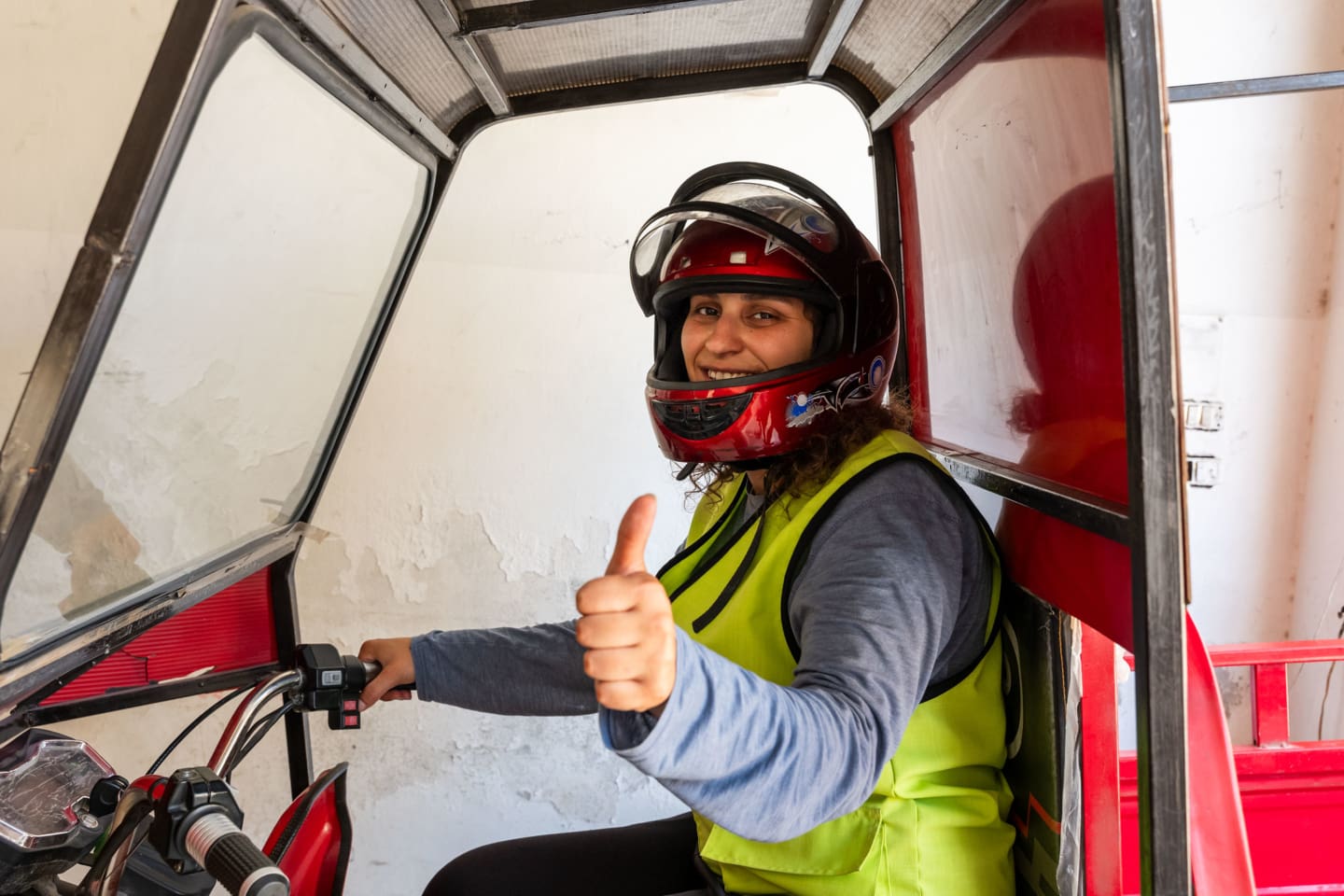
The next year Wassel presented their plans to a panel of angel investors and received funding for a lithium battery and electric motors. They now employ a team of five young drivers.
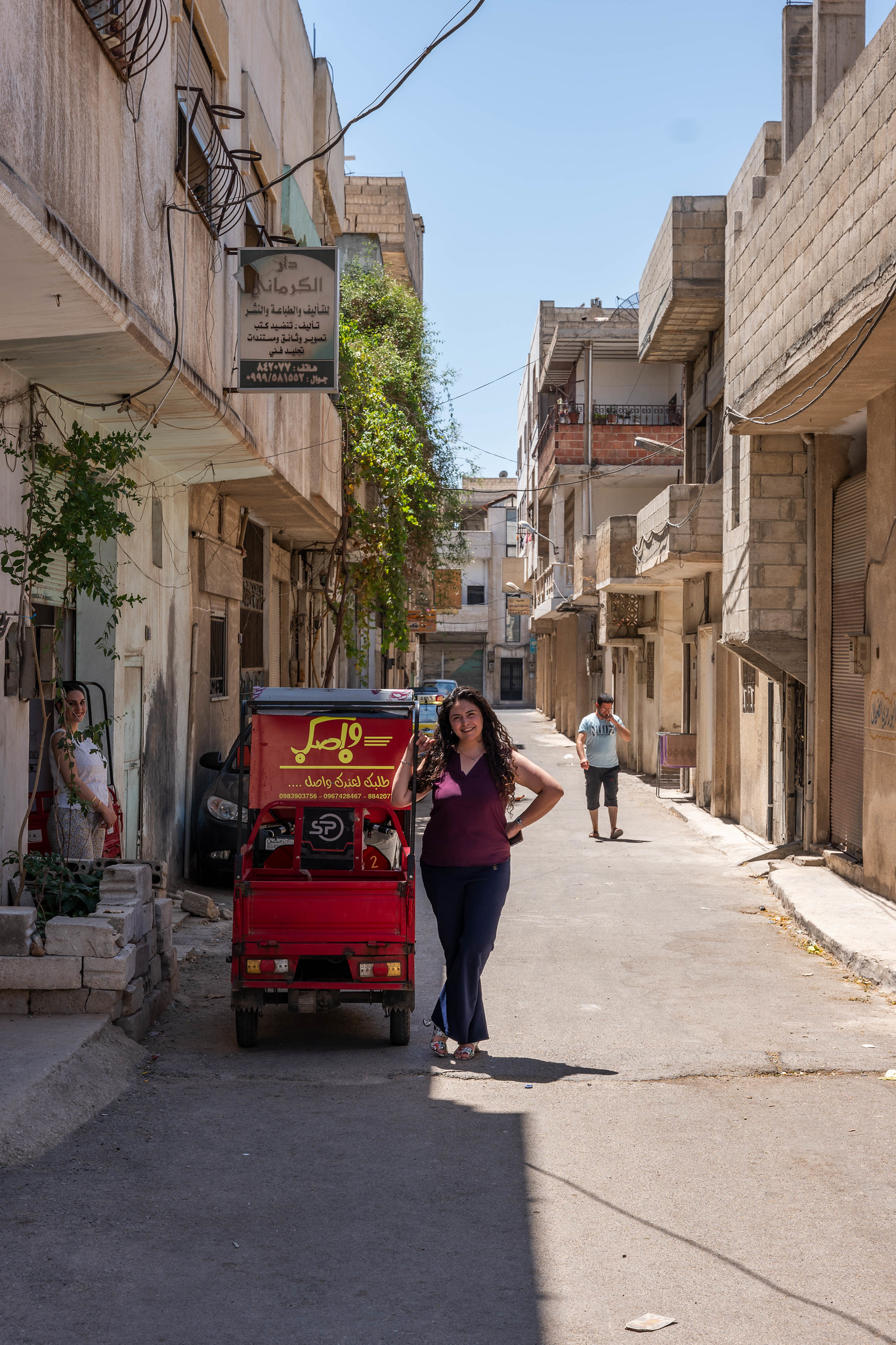
Wassel’s first grant came from the Humanitarian Micro-Enterprises (HME) Programme. Abdulaziz Ajjoub, an AKF project coordinator, explains: “We give medium, small and micro businesses in regions across Syria an intensive training programme, followed with blended financing, meaning a concessional loan and a non-repayable grant.
“We select businesses who have a running business model, with founders who have other people relying on them for their livelihood, so we can benefit as many people as we can – a family of four or five on average.”
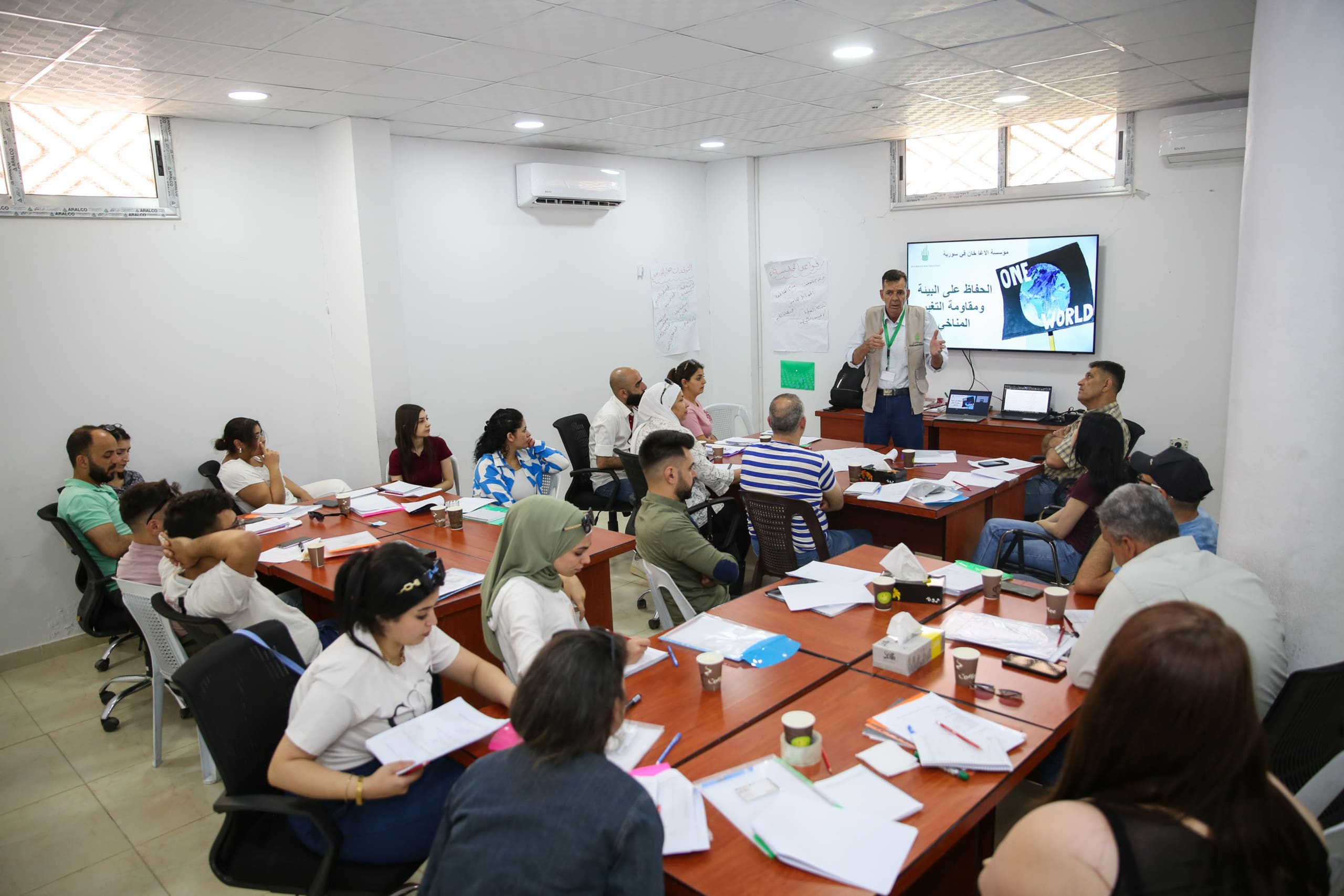
Under the HME programme, aspiring micro-and small-business owners in Tartous are training in financial planning, marketing and preparation of economic feasibility studies | Photo: AKDN / Ali Shaheen
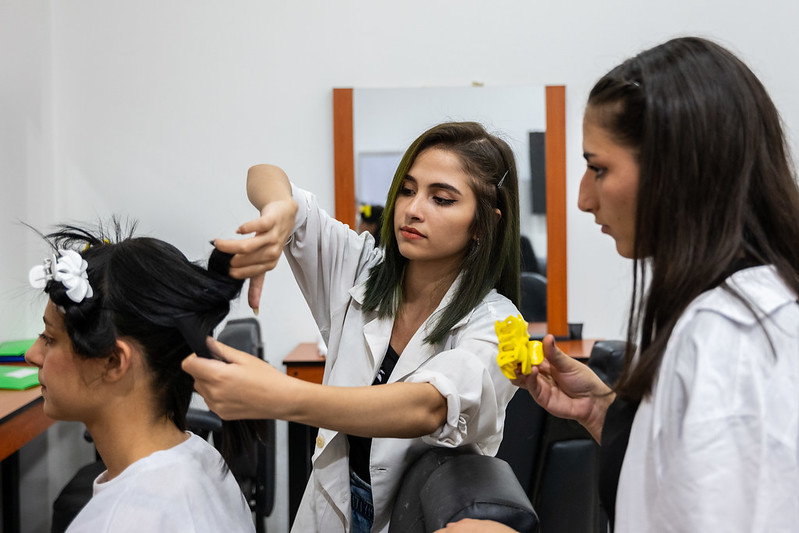
The programme begins with a needs assessment, where entrepreneurs, production suppliers and representatives of the local community identify the gaps in the local market’s professions. It has supported many traditional businesses like barbershops, blacksmiths, carpenters, small manufacturing workshops and tailors, and is now looking for innovative businesses that produce commodities for the local market.
“We supported a business called Sugar Free, founded by a very strong woman called Zainab, who is the breadwinner for her family. She had diabetes, and loved sweets but couldn’t eat them, so she came up with healthy cookies and cupcakes that met her consumption needs. They’ve been well liked by the market,” says Abdulaziz.

Participants spend two days enhancing their business and financial tracking skills in order to run their businesses smoothly, one day at the market collecting data and looking at prices, and the final two days developing a feasibility study. “The study is not only for us, but for the businessman or businesswoman to determine whether the business is worth investing in.

1,000 businesspeople are trained, and 500 funded every year by HME
“On average we have been training 1,000 businesspeople a year for the last few years, selecting half of them to fund. We currently support almost 500 businesses, plus a cohort of 25 which UNHCR is funding. This year, we’re working in rural Damascus, Homs, Hama, Tartous, Latakia and Aleppo.”
Wassel’s second grant came from Accelerate Prosperity (AP), an Aga Khan Development Network (AKDN) initiative that helps entrepreneurs launch or grow their businesses. AP has worked in Syria since 2023, partnering with the Sanad Youth Development Foundation.

AP’s Launch Up incubation programme aims to help 170 aspiring entrepreneurs and start-ups increase their potential for success | Photo: AKDN / Ali Shaheen
Targeting tech-enabled businesses or start-ups that are innovative and scalable, it offers three-month incubation or acceleration training programmes. Launch Up coaches businesspeople at an early stage, helping them network and connect to markets. The acceleration stage, aimed at tech enterprises, includes business modelling, advanced marketing, financial analysis, building relationships with investors, pitching and presentation skills. “We hold their hands as they navigate the issues that they face,” says Abdulaziz.
Most of the businesses are youth-run and targeting issues within the community with innovative solutions: health, transportation, delivery. About half are led by women.
The most successful receive an interest-free collateral free loan of up to $10,000 and technical assistance grants, with 56 businesses supported in 2023 and 2024 – although current disruptions, including a shortage of physical banknotes, have put financing on hold.
An example is Professor, a website and app for 12th graders featuring teachers’ video clips covering the Baccalaureate curriculum. It offers an alternative for a private tutor – or for school itself. Abdulaziz hopes it will reach marginalised communities who cannot otherwise access education.

"A message to every young woman with ambition: dreams do come true."Wassel
Supporting women to increase their earning power is central to AKF’s business development approach. Gender equality is treated not only as a human rights issue, but as smart economics: for a community to thrive, the potential of all its members must be unlocked.
A group of women photographers have set up a business in Hama, taking pictures of the women’s side of wedding ceremonies denied to male photographers. They plan to use the additional equipment and drones procured by AP to expand their business beyond Hama.
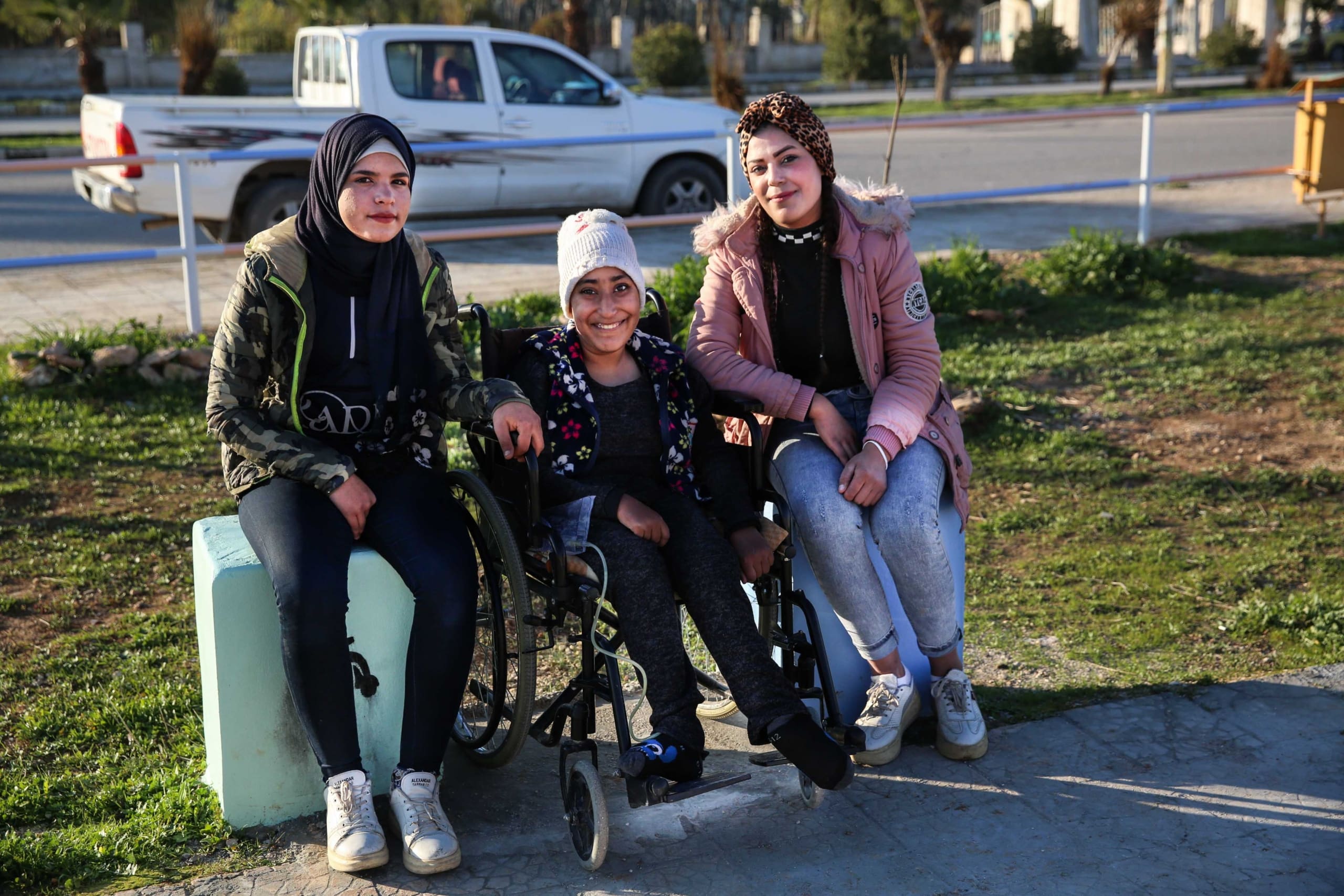
Wassel highlights how entrepreneurship can create employment, provide a much-needed service – and reframe the future. “Through our experience in this project, we want to send a message to every young woman with ambition,” says the team. “Believe in your dreams, don’t give up, because dreams do come true.”



Support our work Your donations are helping us build a future where we all thrive together.