

Agriculture & Food Security Climate Resilience
Rezak al Said pulls on a water pipe leading down to his well. Suddenly, there’s noise. A thrum of feathers flapping. Some birds burst out of the well, chirping as they pass. We smile. But Rezak’s situation is worrying. His well has been empty for months. “We never felt heat like this,” he says. “The area is becoming a desert. We are at a point of no return.”
This year, Syria has faced a historic water and food security crisis. The livelihoods of 14.5 million people – two-thirds of the country’s population – were threatened by reportedly the worst drought in over 60 years. With international efforts supporting the new transitional government, there are signs of hope. But the challenge is immense.
“We used to have cows, sheep, turkey, duck, pigeon, vegetables, wheat and herbs,” says Rezak. “Then circumstances forced us to change.” He talks about the war, the extreme heatwave and the drought. Rezak has stopped trying to grow wheat himself, leasing out his land to others, and losing money in the process. Now he has sold off nearly all his poultry and livestock, including 230 sheep. With his grey hair and haggard face, Rezak seems older than his 47 years.

A climate under pressure
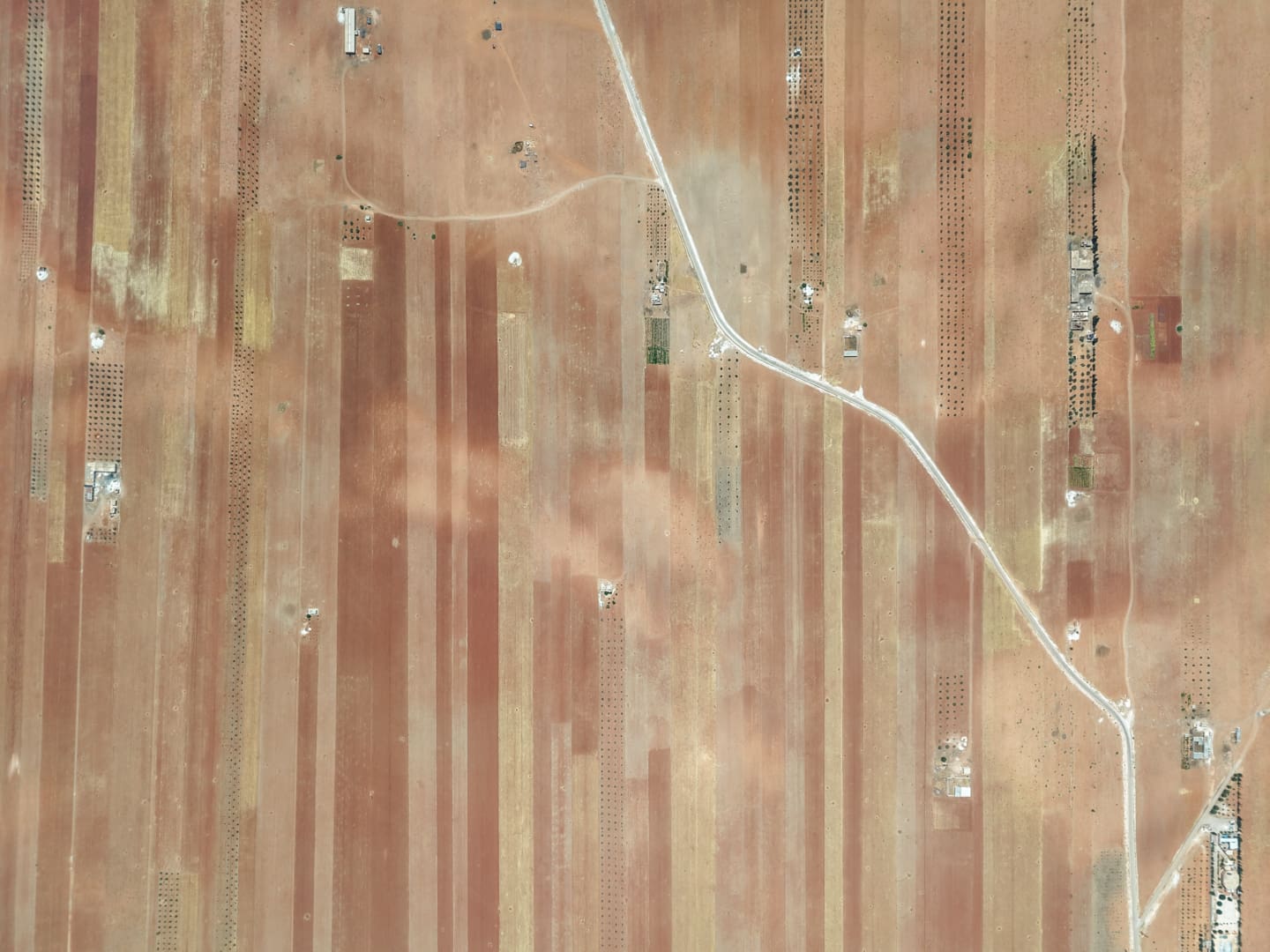
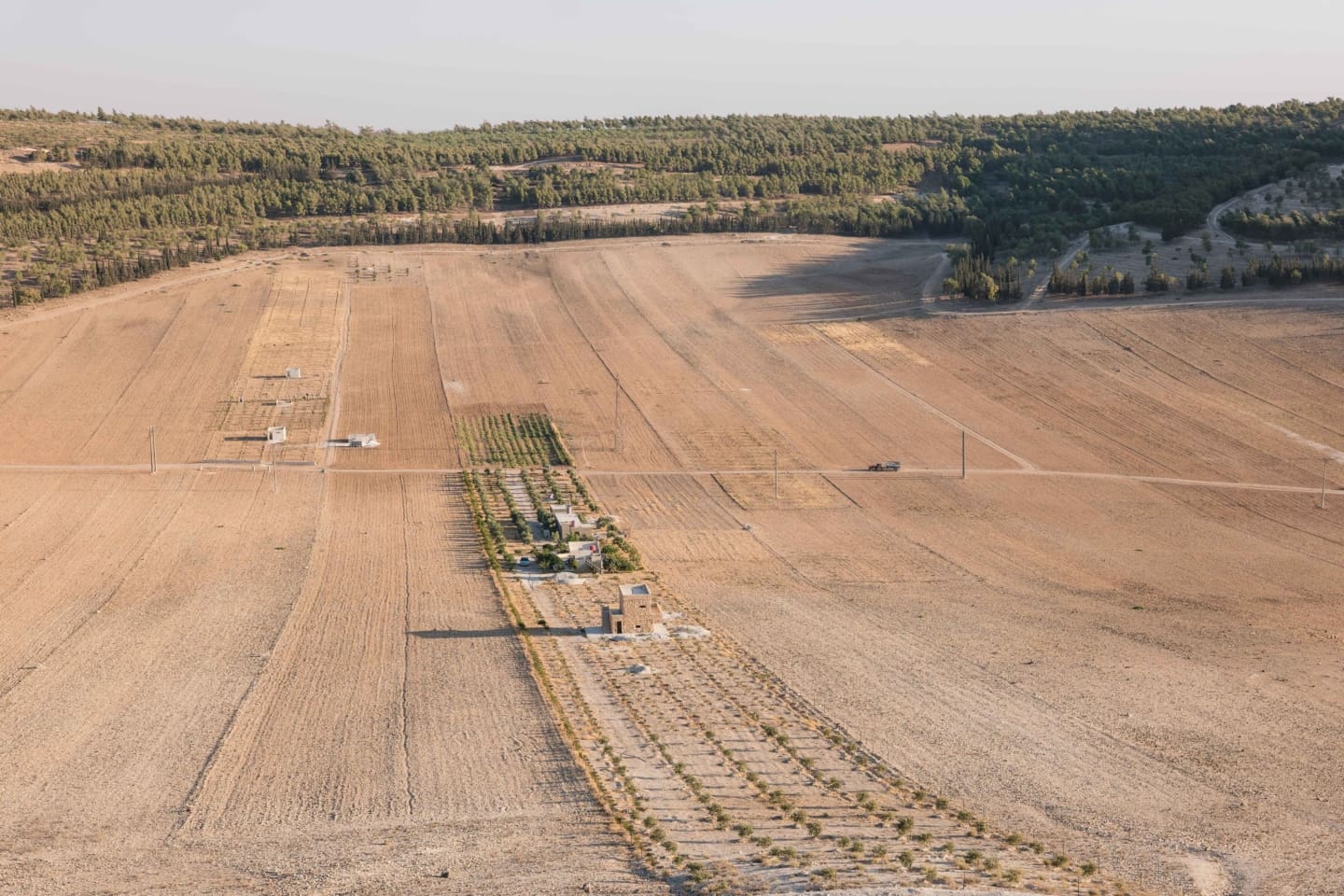
Rezak’s farm is in Jadoua village, a scattering of houses 20 km northeast of Salamieh, in Hama Governorate, central Syria. The landscape is flat and bone-dry; a patchwork of sand-coloured plots and occasional olive groves. It’s late afternoon when I visit, and the temperature has climbed above 40° Celsius.
Syria’s unbearably hot summers are being exacerbated by climate change. Since 1901, annual temperatures in Syria have increased by about 2°C, nearly 1 degree higher than the global average. By the end of this century, temperatures are projected to be as much as 6 °C higher compared with current levels.
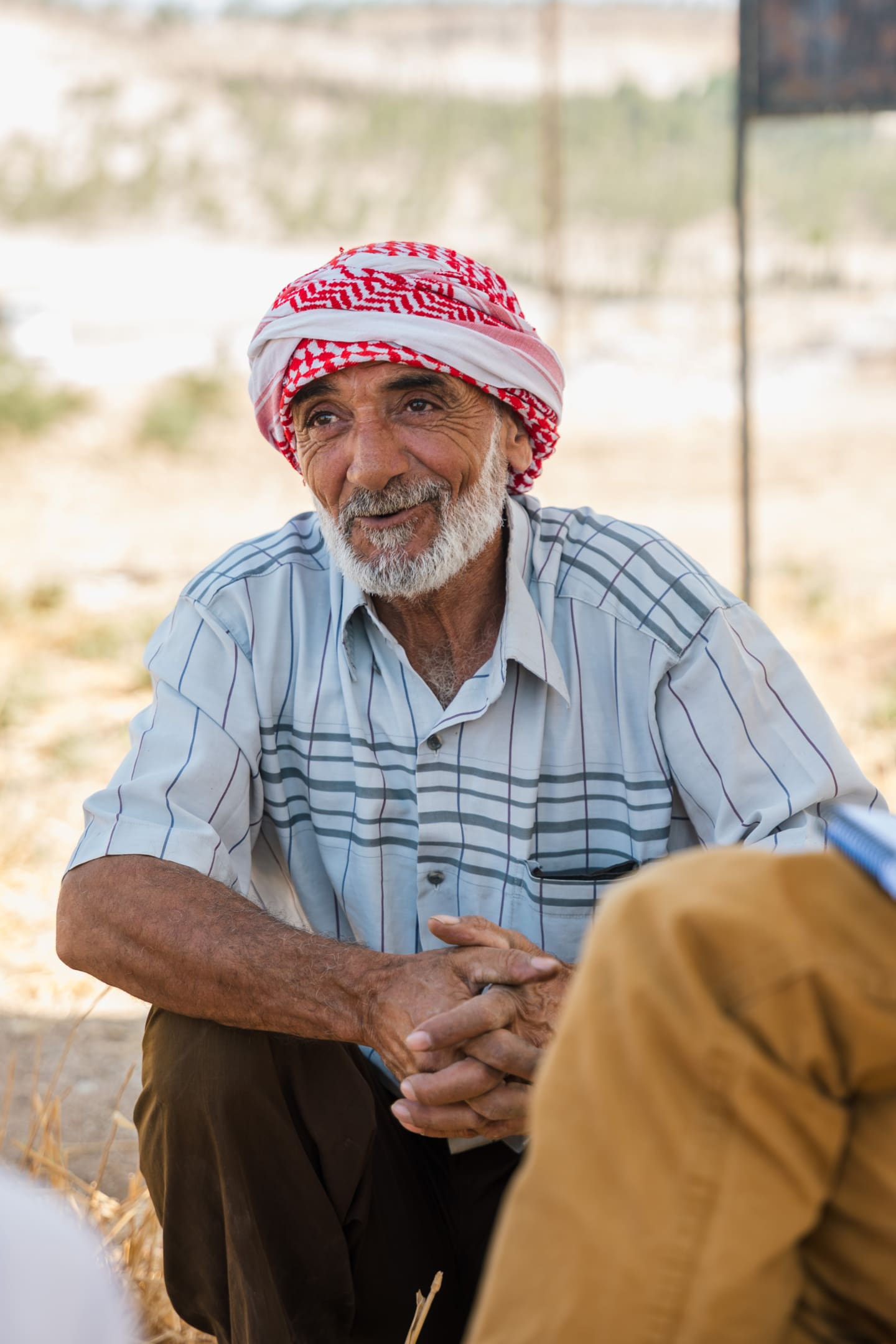
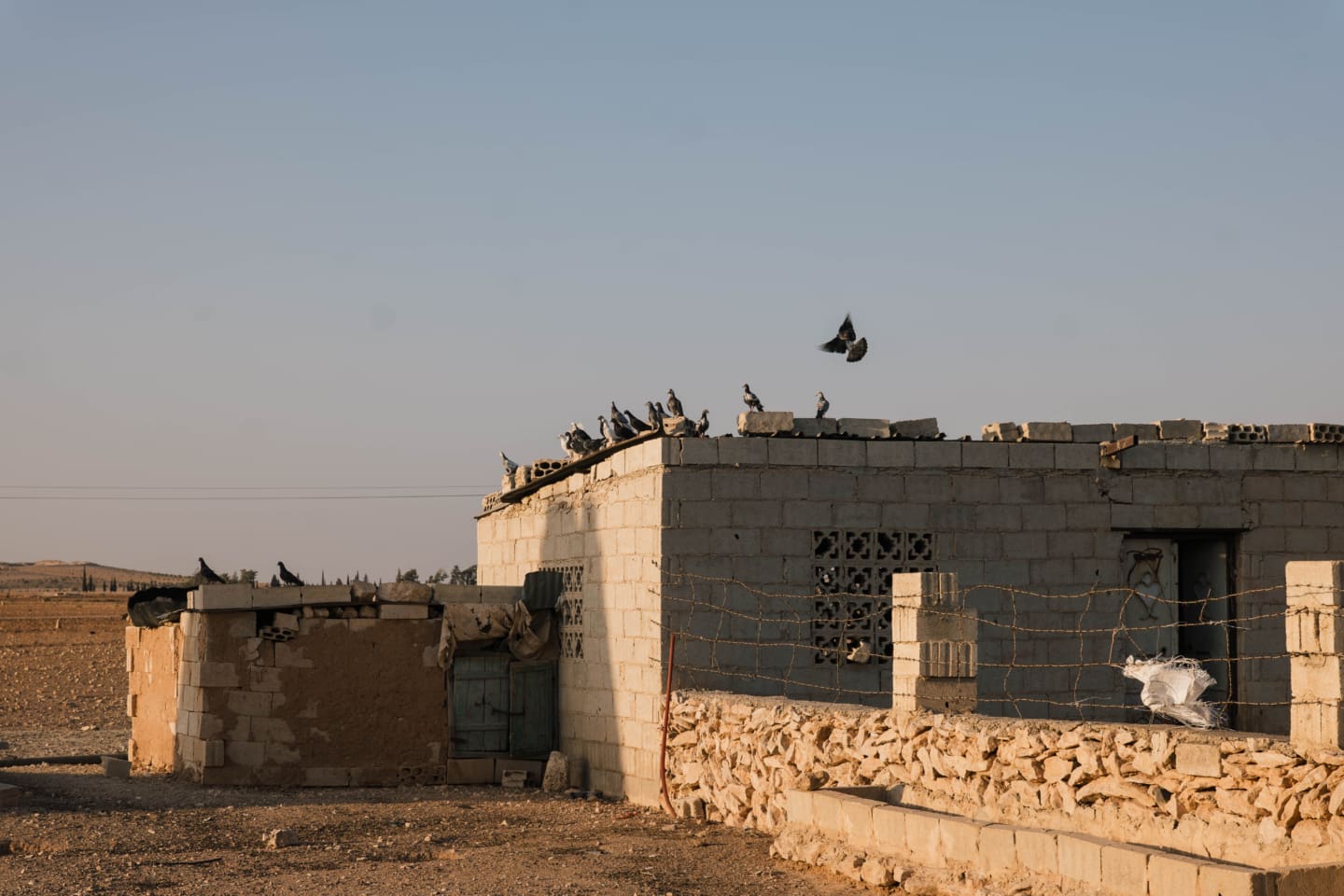
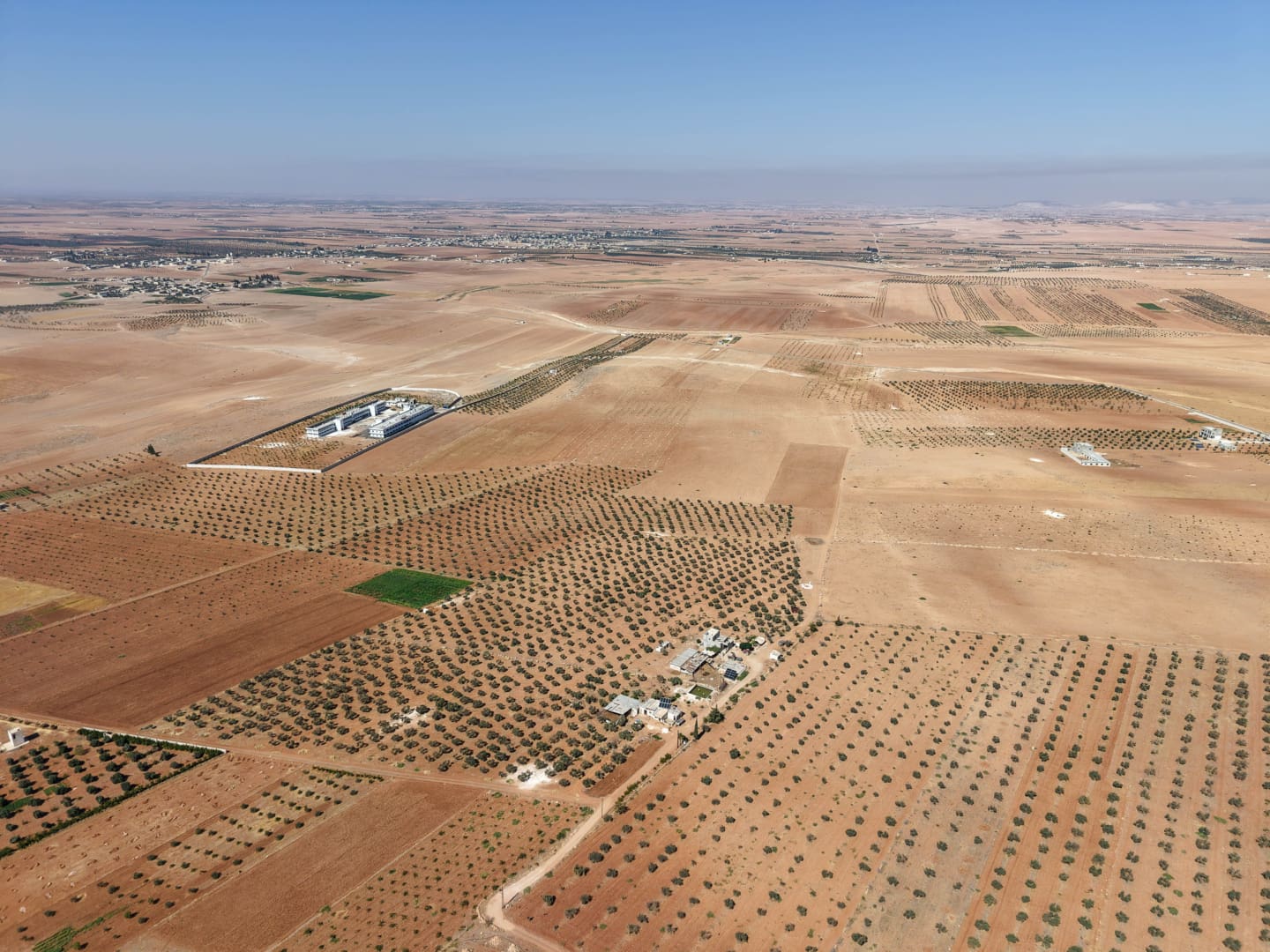
Around the villages I visit, people remember greener times. Outside Lemsaraa, Hasan Yaghi recalled hyenas and deer roaming the land. Fadel Istanbuli described two streams near Bargan, as well as vineyards and abundant food. As a child, he would go for walks through natural forests of saf saf (willow) and zeuzafoon (linden). “It was like a heaven,” he said, raising his hands to the sky.
So much has changed. Under the Assad governments, intensive irrigation and thirsty cash crops like cotton were introduced, depleting the country’s groundwater. Today, Syria’s extreme heat means higher rates of water evaporation. With limited law enforcement, groundwater resources are being overexploited throughout the country. Illegal wells are everywhere. Annual average rainfall is expected to diminish by 11 percent over the next three decades. The outlook is desperate. Though some communities are trying to adapt to these challenges.

“Greenhouses are the future”
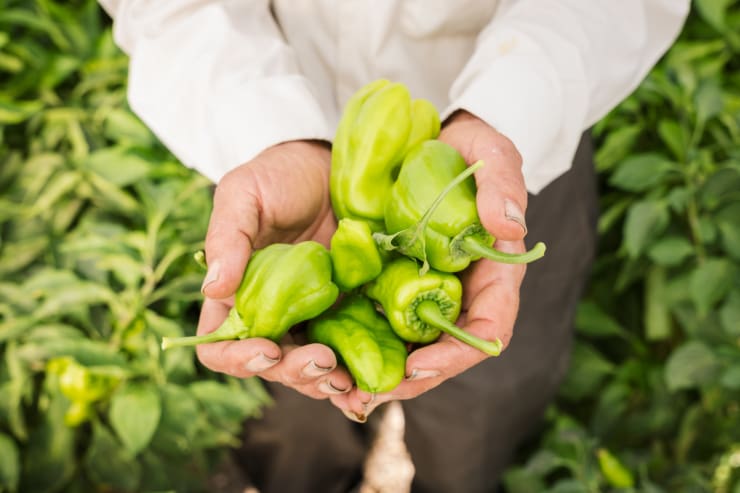
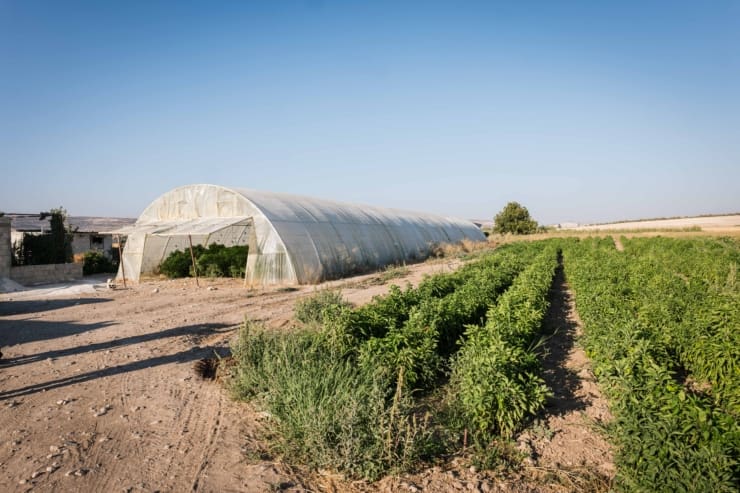
Aymen Qasem is wading waist-high through a sea of pepper plants. They grow voluminously in a 50-metre long polytunnel greenhouse. He starts picking the bright green fruits. Soon, there are too many to hold. Grinning, he offers me a handful.
Aymen is based in Taldara, located between Hama and Salamieh. Along with 7,000 other farmers in Syria, Aymen and his cooperative are being supported by the Aga Khan Foundation (AKF) with various assets and skills. In addition to the greenhouse, they now use solar power to pump water from a well, as well as drip irrigation and organic fertiliser. “Greenhouses are the future,” Aymen says, “they reduce heat and retain moisture.” I can see the benefits: the pepper plants inside the polytunnel are twice as tall as those in a field outside, yet they only require half the amount of water.
The Food and Agriculture Organisation (FAO) is working with the government to restore over 45,000 hectares of irrigation systems across Syria, helping nearly 70,000 households have access to water. Picture networks of canals once again channelling water into farming areas. “We have seen increases in cultivated land and improvements in food security,” says Jameson Zvizvai, the FAO project manager. His colleague, irrigation specialist Wael Al Derwish, adds that these measures have reduced tensions over water in areas such as Aleppo Governorate.
The FAO project, funded by the UK, is also providing trainings, cash vouchers for agro-processing activities and stronger early warning systems. These activities are supporting tens of thousands of farmers across Aleppo, Deir-ez-Zor, Idlib, Hama, Homs, Latakia and rural Damascus. “The project is really a beacon of hope,” says Jameson.
Migration is a hot topic. If the situation continues like this year, a third of the village may leave.Ziad Ghaibor from Al Qareb, east of Salamieh
Syria’s government is being supported by other organisations, like the United Nations Development Programme (UNDP), on water and energy. President al-Sharaa’s nascent administration is also trying to tackle overexploitation of water reserves by amending legislation. But after the 14-year civil war, sanctions and a devastating recent earthquake, the Syrian state is at ground zero. To address the needs will take decades. There is little time.
Many are fleeing the countryside. “Migration is a hot topic,” says Ziad Ghaibor, from Al Qareb, east of Salamieh. “Our nightmare is that the situation continues like this year. If so, I think maybe a third of the village will leave in the next two years.”
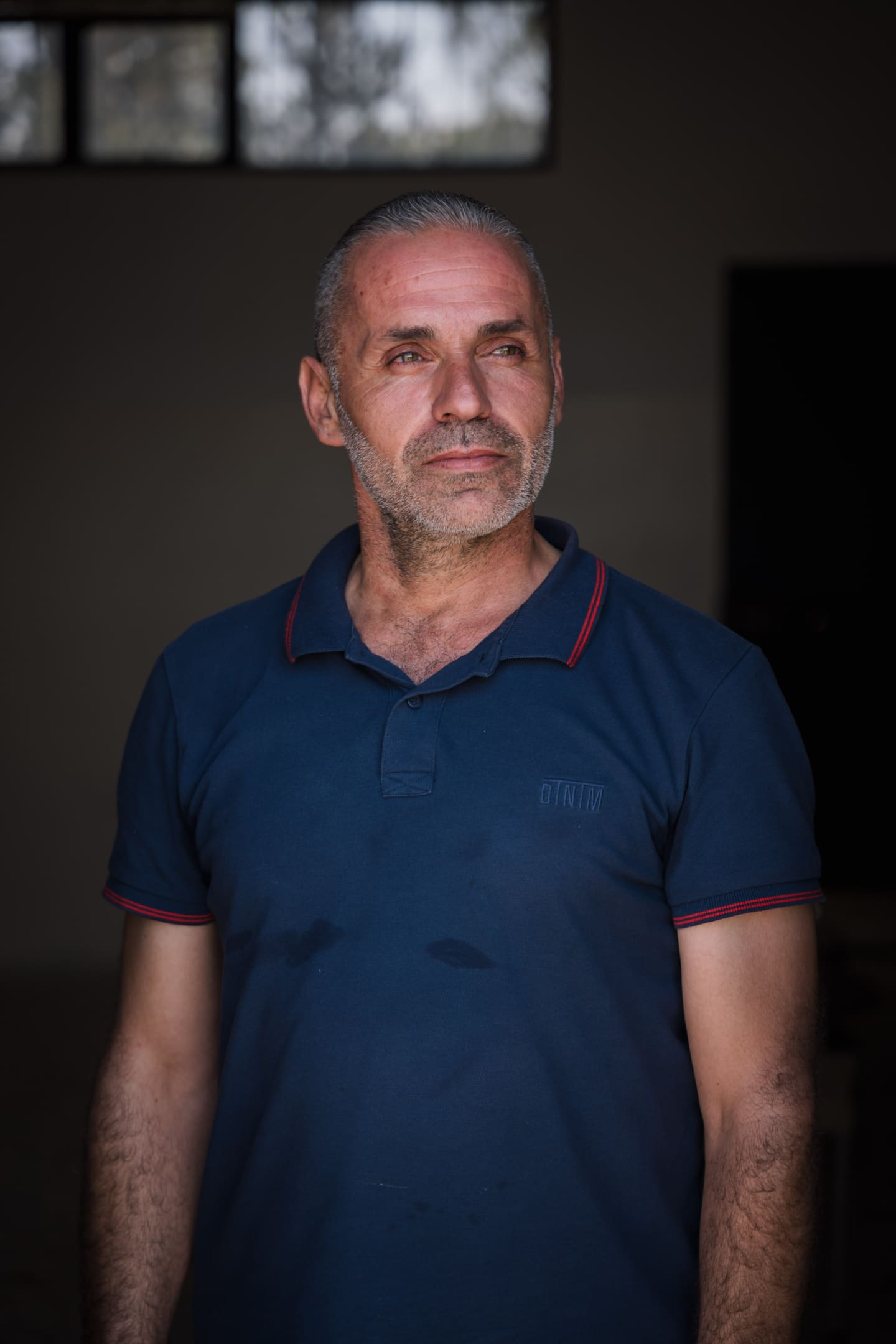
Towards the end of my time with Rezak, we discuss the future and what hope there is for his children. I ask him a question: what helps him escape the stress. He falls silent. Then he pinches his nose. I realise he is crying.
To clear the air, we go out into Rezak’s back yard. His pigeon tower, with pipes splayed out from conical earthen walls, glows orange against the setting sun. Inside the tower, Rezak gathers up a slender white pigeon. Its breast bulges in his firm hand. He smiles.
I wonder now, if his pigeons, capable of flight and oblivious to the human condition, were the answer to my question.


Support our work Your donations are helping us build a future where we all thrive together.