
When the aid stops
When dramatic cuts to bilateral development aid were first announced in early 2025, phone lines for the Movement for Community-led Development, a global “Majority World-led” coalition of local organisations and international NGOs, were overrun.
“My WhatsApp was just blowing up from all these messages from members asking if it’s true,” says Gunjan Veda, Global Secretary for the Movement for Community-led Development. Questions flooded in around the well-being of family members reliant on antiretrovirals, and on the future of village health centres.
“But you know what was really, really heartbreaking?” continues Veda. “It was hearing from the members who run these initiatives locally. They called up saying: ‘The community doesn’t know we can’t continue this work because of what’s happened in donor countries. What they see is that the health centre we used to run, we have now closed it. They see that medicines are inside but are not being distributed by us – and they are angry.’”

The dissolution of trust between community members and the doctors, nurses, and teachers who oversaw donor-funded initiatives – many of whom are themselves part of these disaffected communities – reflects a broader, critical issue: that entire countries’ health systems are dependent on the increasingly fragile architecture of international aid.
Yet for Veda, and her co-conspirators in championing community-led development, Elene Cloete of Outreach International and Matthew Reeves of the Aga Khan Foundation (AKF), the fallout, although accelerated by changes in funding patterns, is not something new.
“So frequently, traditional ways of doing development have robbed communities of their agency,” says Reeves, Global Lead for Civil Society at AKF. “[Many] communities think they need an international NGO to come in and bring them a project, or that they need a funder to come in in order for anything to happen – because they’ve been worn down by decades of this way of working.”
“What we’ve also seen,” adds Cloete, President and CEO at Outreach International, “is a disabled trust – because these INGO-funded initiatives, often time-bound, aren’t always seen through to completion. The work doesn’t get done, the funding stops, and then there’s the exit.”
“So frequently, traditional ways of doing development have robbed communities of their agency,”Matthew Reeves, Civil Society Lead, AKF
Internalised disempowerment and sustainability failures within the current system have meant that communities are wary of development initiatives, whilst trust in communities’ own ability or capacity has been ground down. These shortcomings, however, highlight an opportunity for the creation of a different kind of system.
“People are waking up to the fact that the current system was problematic, and increasingly there is talk of creating a different kind of system – which, to me, represents an opportunity for community-led development,” says Veda.
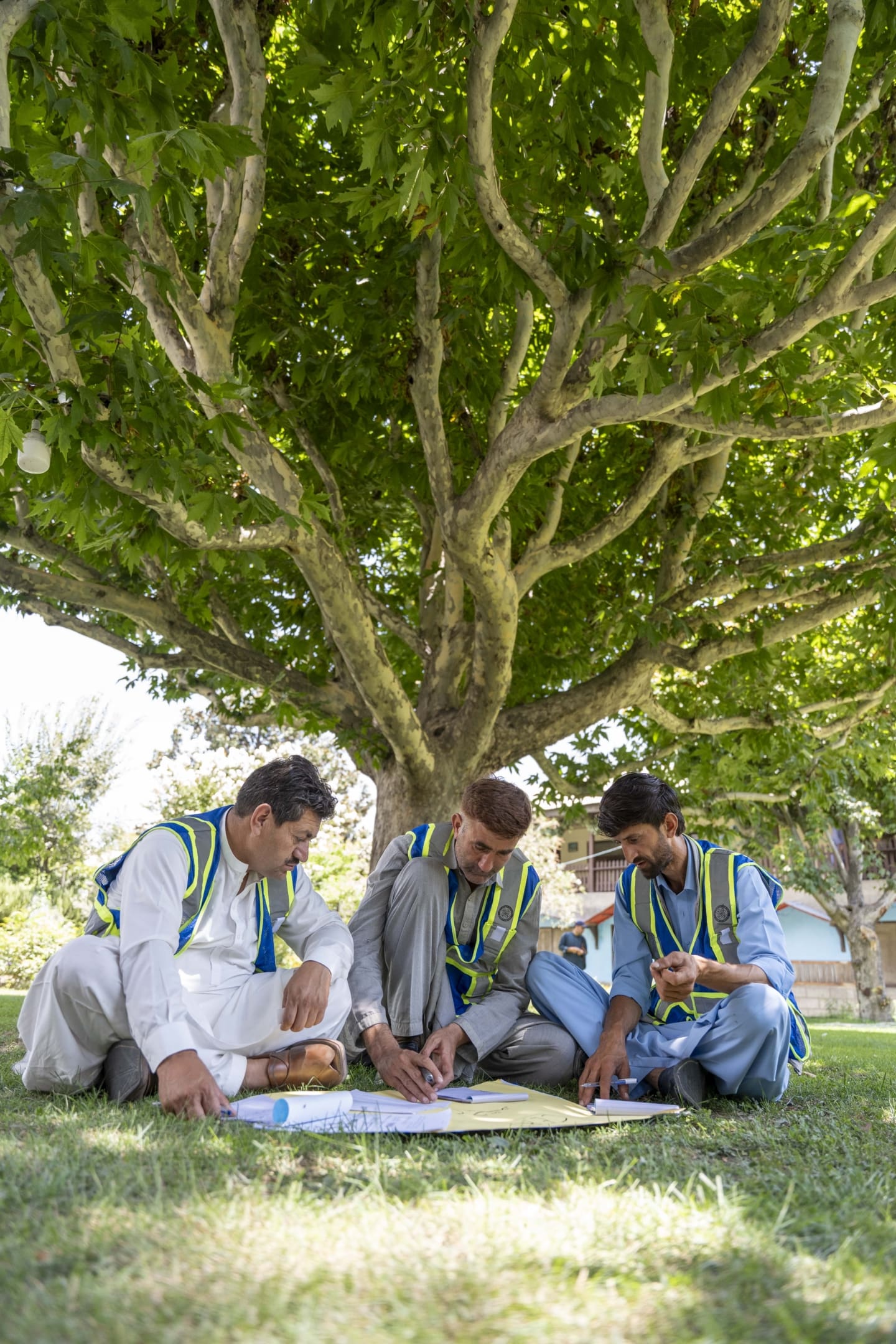
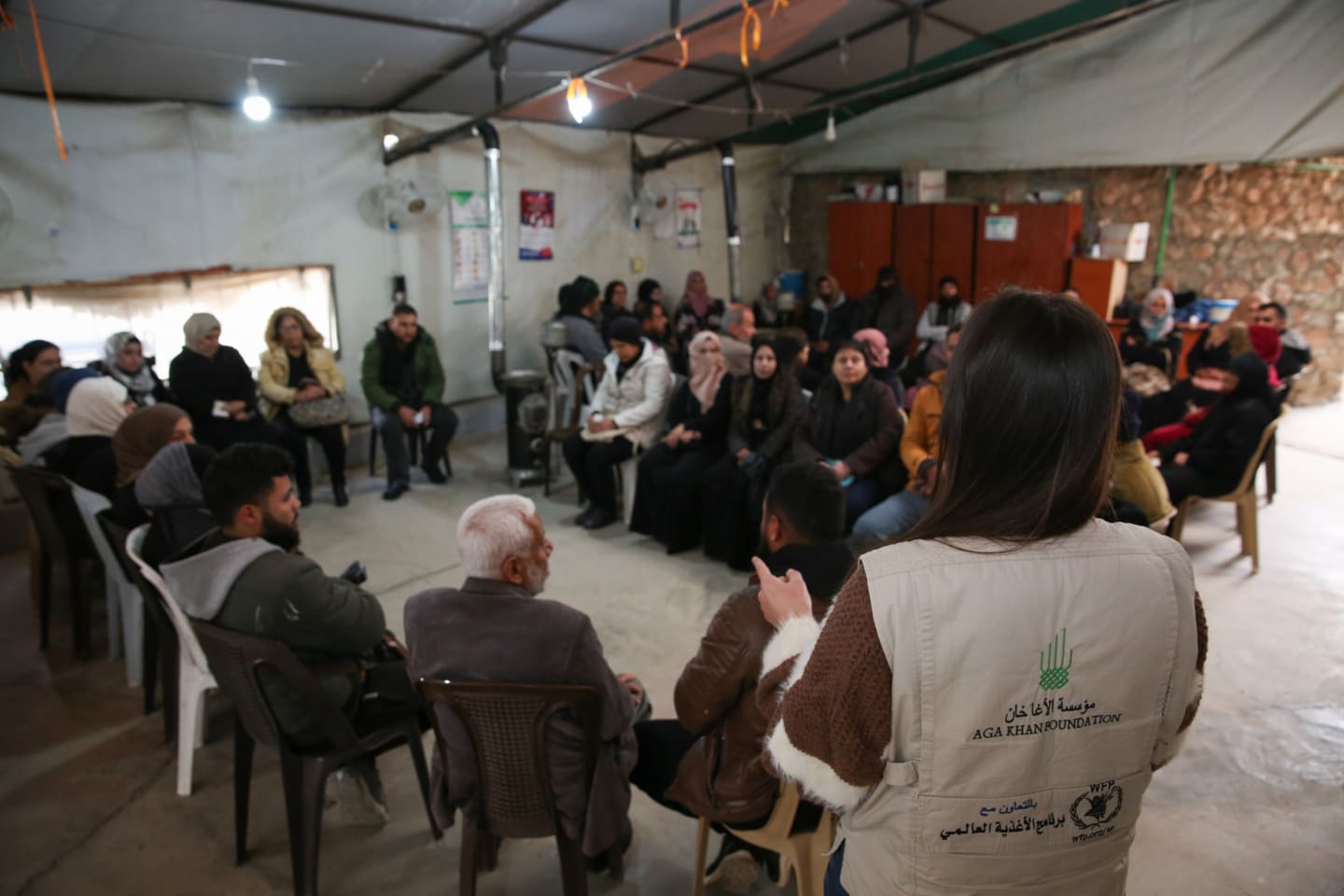
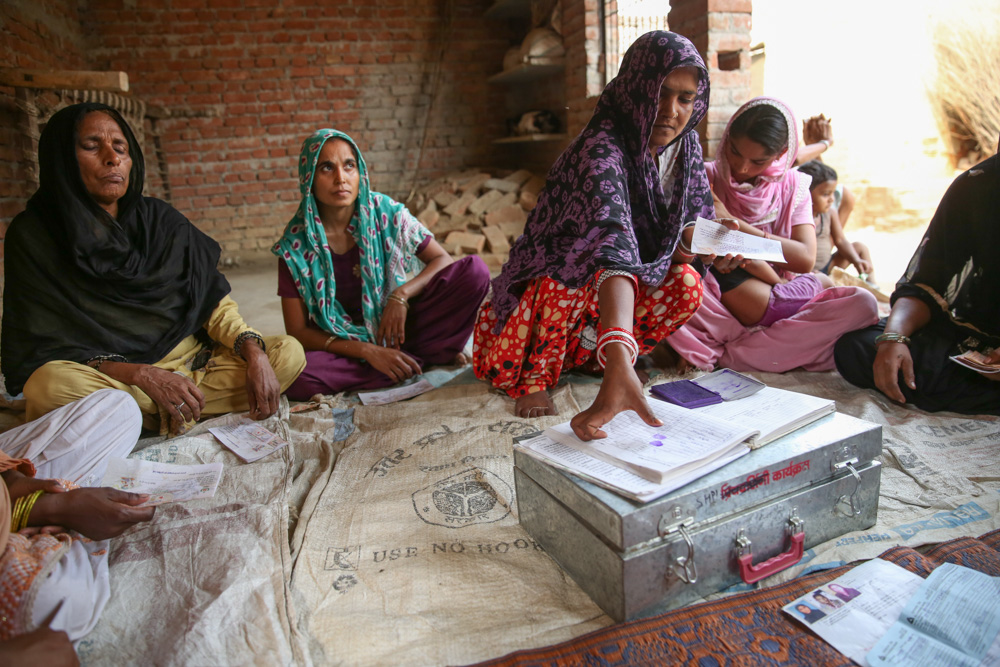
What distinguishes community-led development from more traditional models is that collective decision-making, implementation, resource management, financial oversight, and adaptation rest squarely with the community. Traditionally, decisions about priorities, funding, and project design are often made by external actors – NGOs, governments, or donors – who then involve communities primarily as recipients or implementers. By contrast, community-led development shifts this balance of power.
It is an approach that Veda and co-editor Cloete explore in a new book on rethinking development, titled Community-led Development in Action: We Power Our Own Change.
Acknowledging and amplifying the influence and agency communities hold in shaping their development trajectories, the book shines a spotlight on several communities who have done, and are doing, development their way.

“Communities are leading their own development all the time, regardless of whether we’re there or not,” says Reeves. “It happened very noticeably at the beginning of the Covid19 pandemic, and it’s happening to an extent now with the funding shifts.”
He mentions a Village Committee based in Jadoua’h, Syria, who, with an initial small grant from AKF, mobilised 450 families in the village to contribute volunteer time, cash and in-kind resources towards the building of a community hall. By contributing 30% of the hall’s total cost, the Committee’s mobilising efforts have since become a model replicated in five other Syrian villages.
“People are waking up to the fact that the current system was problematic, and increasingly there is talk of creating a different kind of system,"Gunjan Veda, Global Secretary, Movement for Community-led Development
The Jadoua’h Village Committee’s mobilisation is just one example among many. In 2024 alone, communities working with AKF raised $12.4 million locally through contributions of time, funds and materials – a striking demonstration of the potential of community-led investment.
“Any sort of world in which the financial resources for development flow exclusively from countries in Western Europe and North America is a world of the past,” continues Reeves. “Our models, or anyone’s models for development, need to recognise the complexity of the world today – and that $12.4 million figure is an example that development funding can be found in India, or Mozambique. It can – and it has for a very long time.”
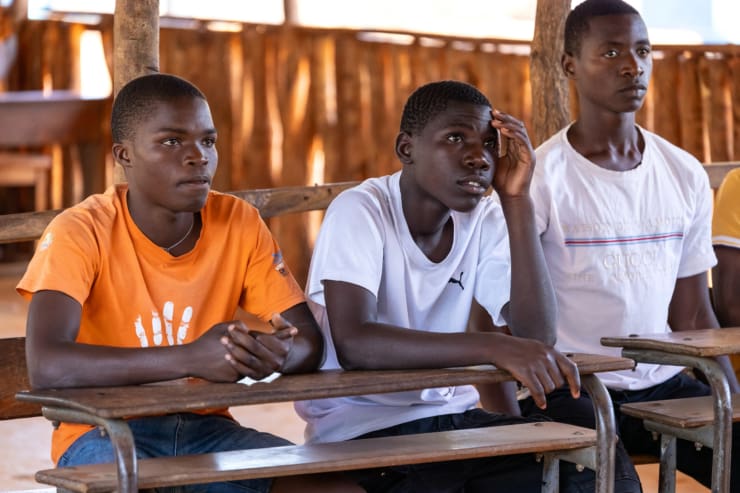
The activation of local resources also keeps development sustainable. And, for Cloete, it shows whether organisations like Outreach International or AKF are genuinely enabling communities to lead their own development.
“Community-led development enables that local networking to take place – that flow of local resources – so if there’s a disruption in funding from an external entity, the internal system isn’t [entirely up-ended].”
“This is why we invest in this form of development,” Cloete continues, “because we are committed to long-lasting impact.”
“The other thing that local resource mobilisation does,” adds Reeves, “is change power and trust dynamics.”
“We’ve had seven NGOs do projects here... This is the first time anyone has asked us what we want!”Philemon McSenesie, a Grima village local
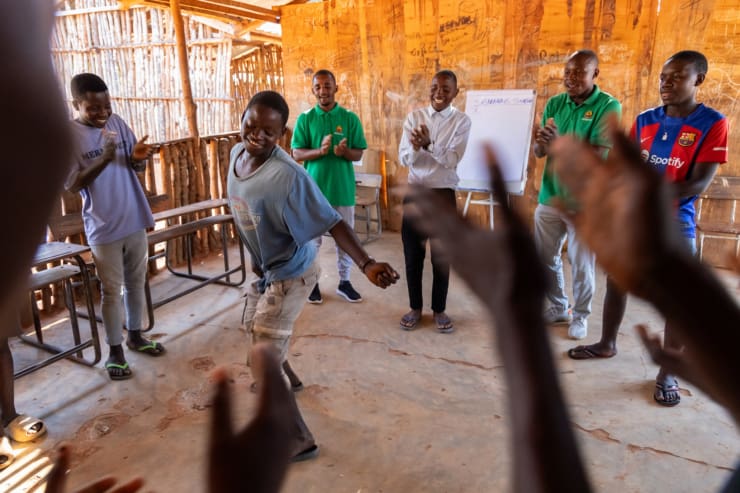
An account from We Power Our Own Change captures the weight of these sentiments. While partnering with a local community in Sierra Leone, OneVillage Partners –community-led practitioners and contributors to the book – asked villagers why they were dancing enthusiastically during a community meeting to discuss a health clinic. Philemon McSenesie, a Grima village local, responded: “We’ve had seven NGOs do projects here… This is the first time anyone has asked us what we want!” And then he went back to dancing.
As the argument for overseas development assistance faces increasing scrutiny, the development sector must acknowledge that communities in the majority world have always been – and must be recognised as – the primary drivers in their own development. And a commitment to working with and through local communities, by international development actors, is proving to be viable, affordable, and sustainable.
“The reality is the biggest resources have always been in the community, and the biggest resources are the community members themselves,” says Veda. “The future is community-led.”

Support our work Your donations are helping us build a future where we all thrive together.