

Efforts to improve nutrition in Madagascar have long been shaped by structural constraints. Diets are heavily reliant on rice – often at the expense of dietary diversity – while agricultural production remains narrow despite conditions that could support more varied, nutrient-rich crops.
Limited nutrition awareness and constrained public resources have further slowed progress in shifting feeding practices. The result is one of the most severe nutrition and food security situations globally, with more than 70% of the population experiencing moderate or severe food insecurity.
Faced with these constraints, the Aga Khan Foundation (AKF) – through its local branch Organisation de Soutien pour le Développement Rural à Madagascar (OSDRM) – and its partners have turned to Community-Based Savings Groups (CBSGs). Known locally as Groupes d’Épargne Communautaire, they are a foundational platform for delivering integrated development interventions.
Since implementation began in 2022, 580 CBSGs have been established across the Analanjirofo, Diana and Sava regions of northern Madagascar, with 70% of groups generating new income streams and 75% reporting improvements in household diets. Against the country’s wider food security challenges, these results are striking – raising the question of just how CBSGs are driving this change.

Of the Malagasy population currently experience food insecurity

Formed voluntarily at community level, CBSGs bring members together to save regularly, provide loans and manage shared funds. Beyond their financial function, these groups also foster social cohesion, collective decision-making and a sense of ownership – conditions often missing from more traditional, top-down development programmes. Over time, CBSGs have demonstrated strong resilience, often continuing to operate long after external support ends.
“From AKF’s perspective, the value of CBSGs is that they sit where decisions are actually made – within households, peer networks, women’s groups, village structures and community leadership,” says Dr Aminah Jahangir, AKF’s Global Lead for Health and Nutrition.
Where clinic-based interventions often reach women only when they seek services, and household-level programming remains confined to single families, she adds, “CBSGs create a collective space where nutrition knowledge, savings, decision-making, referrals and mutual accountability come together.”
Grégoire Imberty, CEO of OSDRM, echoes this view. “CBSGs are a virtuous platform, fostering community mobilisation around a common goal.” They also promote “women’s empowerment, small-scale community investments, self-discipline and community-led management,” he says, noting that the groups “operate effectively across the diverse environments we encounter in Madagascar”.
“CBSGs create a collective space where nutrition knowledge, savings, decision-making, referrals and mutual accountability come together.”Dr Aminah Jahangir, Global Lead for Health and Nutrition, AKF
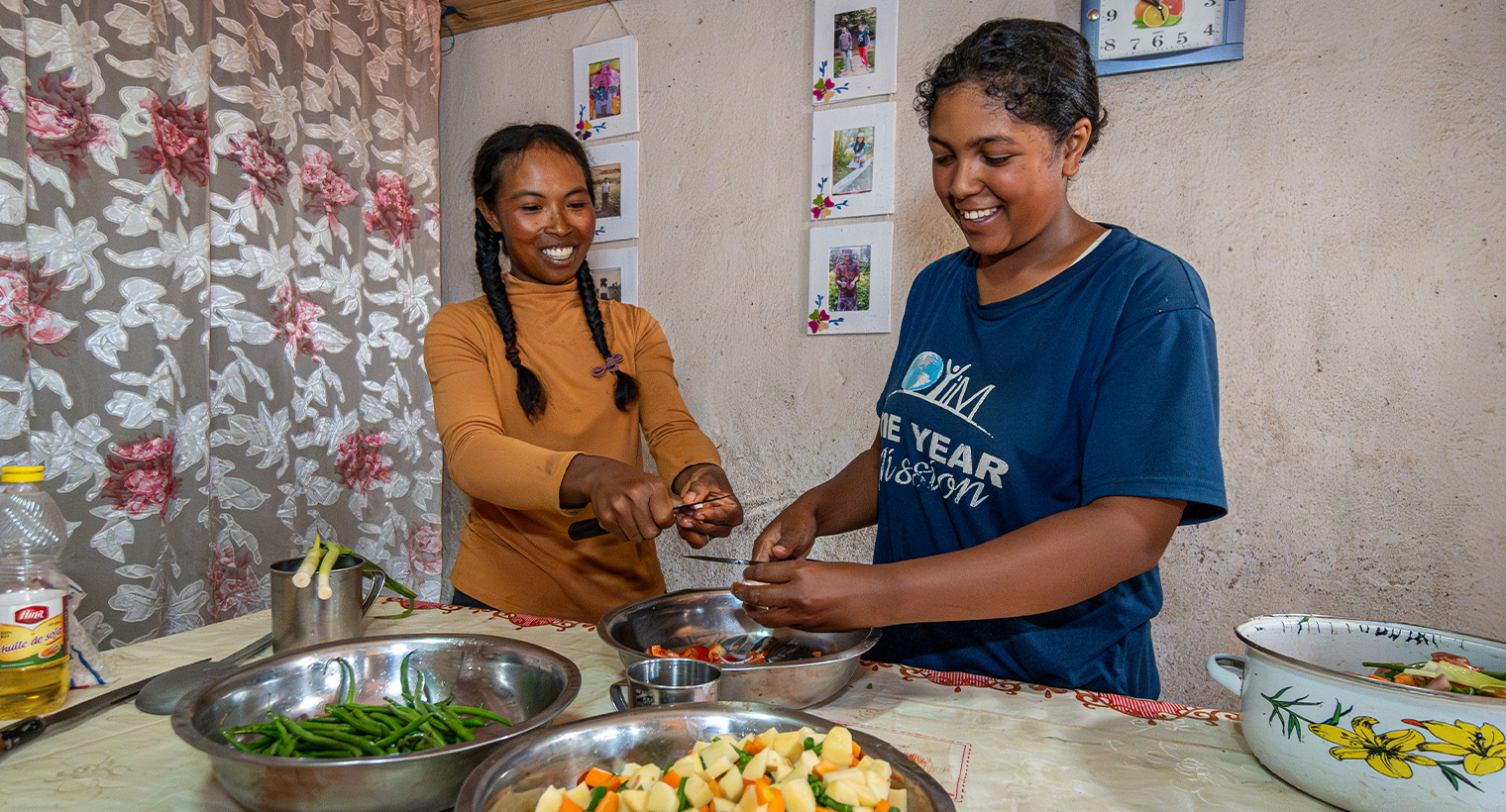
CBSGs create shared spaces where women regularly meet to save, learn and exchange knowledge, combining financial services with nutrition training, peer support and collective decision-making at community level. | Photo: Humberto Caldas, AKF
Within this setting, members receive training on topics ranging from group management and savings practices to nutrition and cooking demonstrations, often tailored to address immediate community needs. Regular meetings create space for peer learning and exchange, enabling members to share knowledge and practical experiences across groups and regions.
“Through these capacity-building activities, members have become accustomed to exchanging knowledge and experiences – not only within their own groups, but also with members of other CBSGs, and even with farmers from more distant areas,” explains Etienne Andriamampandry, Partnerships Manager at OSDRM.
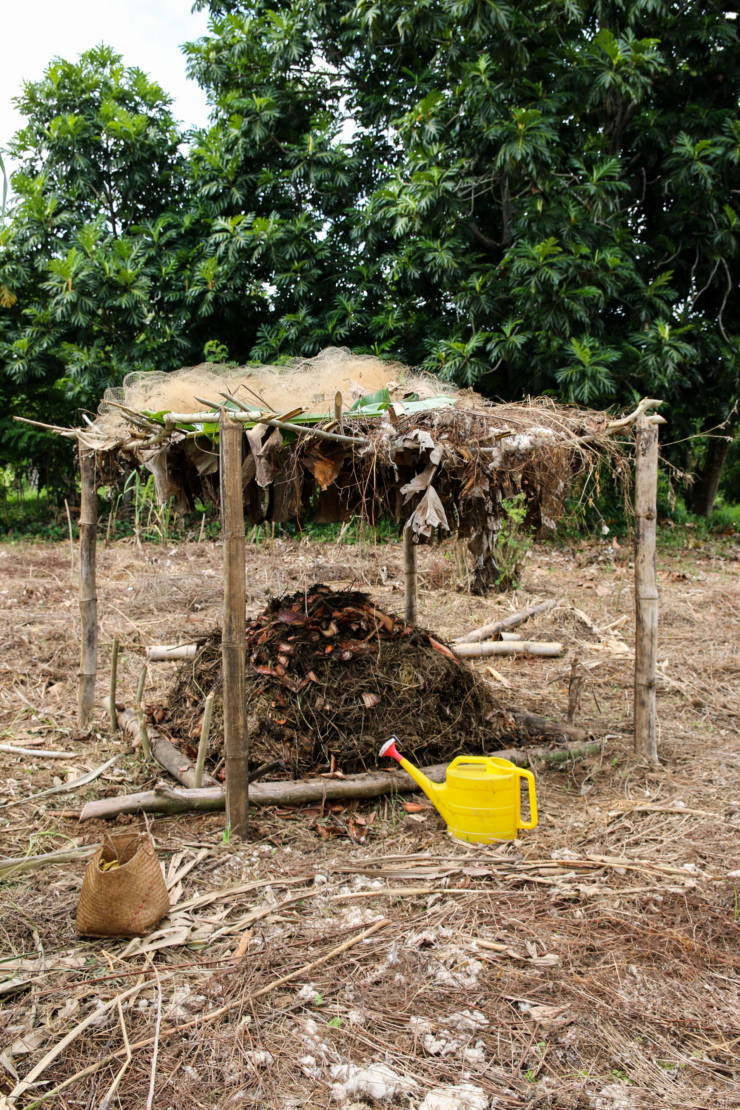
Alongside this, the integration of agriculture and income-generating activities has helped diversify production, contributing to improved availability of food at household level.
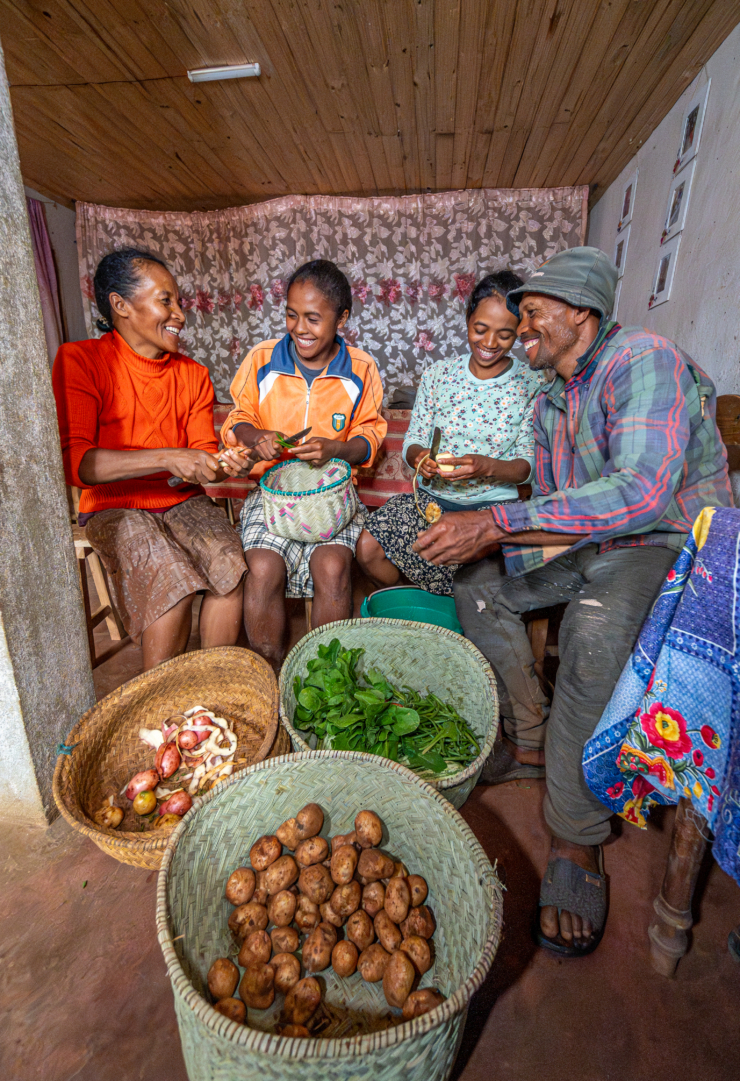
This model is particularly significant given who participates in it. According to Dr Rivosoa Rabetokotany, Programme Director at OSDRM, most CBSG members are women and mothers.
“This matters because nutrition is not only a matter of information or service access,” says Dr Jahangir. “It is shaped by gender norms, household finance, food choices, care practices, mobility, confidence and community trust.”
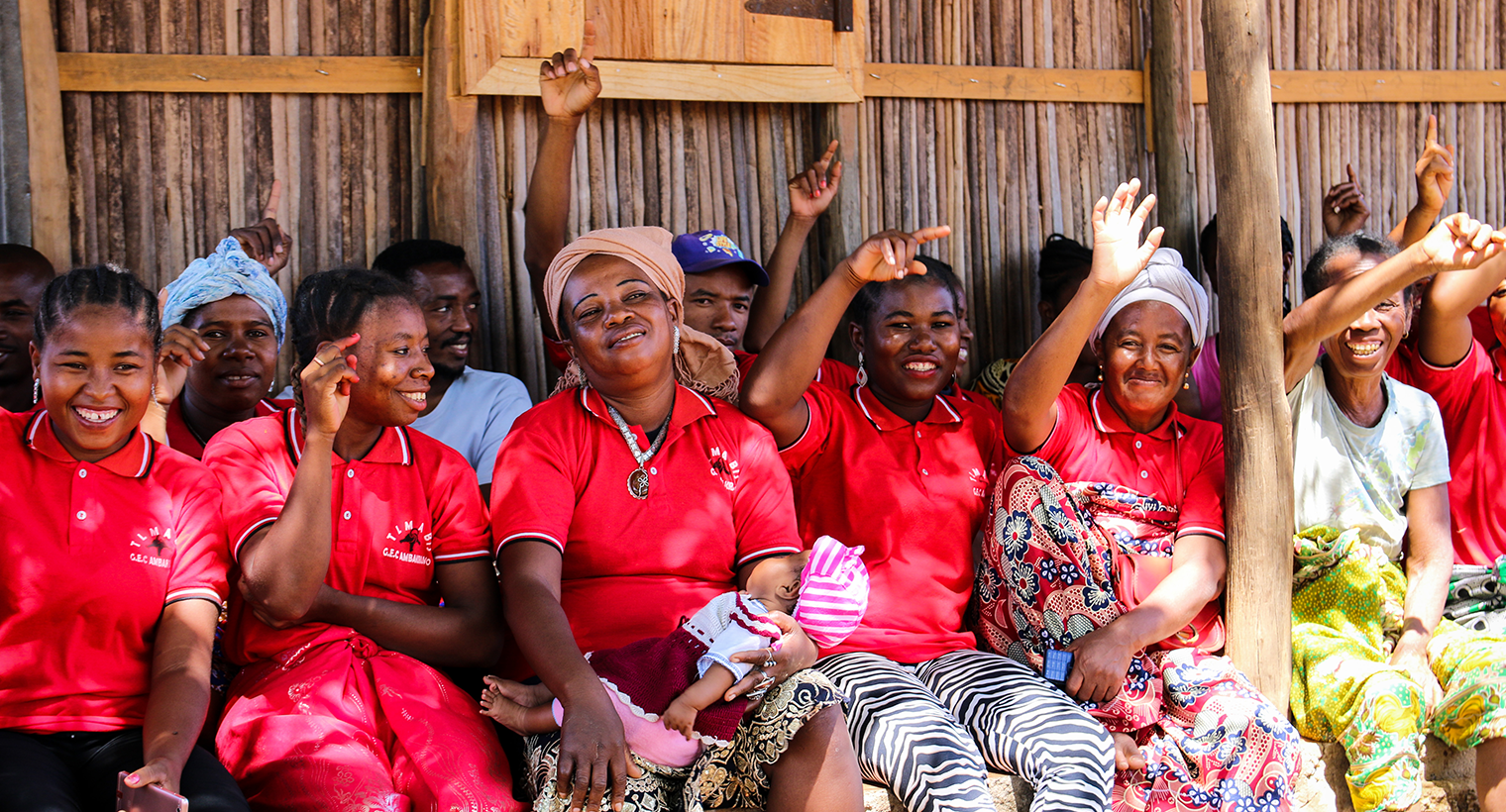
With most members being women, CBSGs are improving household diets and incomes while reinforcing child health and long-term community resilience. | Photo: Laure Bedecarrax, AKF
Development research has long identified women as “multipliers”, with evidence showing that women’s nutritional status and economic empowerment are closely linked to improved child health and nutrition outcomes. The strong participation of women in CBSGs therefore reinforces efforts to improve child nutrition, while also supporting longer-term, intergenerational resilience.
Community-based platforms also play a critical role in shifting social norms. “Certain nutrition behaviours are far more likely to change when they are reinforced socially rather than addressed only through individual counselling or awareness campaigns,” explains Dr Jahangir. “Behaviours related to breastfeeding, complementary feeding, dietary diversity, adolescent nutrition, maternal nutrition and care-seeking practices are deeply shaped by social norms, family expectations and household power dynamics.”
By integrating practical activities such as cooking demonstrations into regular meetings, CBSGs provide a space where women can exchange ideas, test new practices and influence both household and community decision-making.

“The integration of nutrition into the CBSGs has helped communities understand the importance of a balanced diet,” Dr Rabetokotany explains. “In the dietary habits of the Malagasy people, protein deficiency has a significant impact on the development of children under five – yet now families are prioritising protein intake, whether from animal sources like snails or plant sources such as beans, moringa leaves or freshwater algae.”
Community members describe introducing new ingredients and recipes into everyday cooking, drawing on what they have learned through group discussions and demonstrations. Meals that once relied heavily on staple foods are becoming more varied, incorporating locally available, nutrient-rich foods.
“In the dietary habits of the Malagasy people, protein deficiency has a significant impact on the development of children under five.”Dr Rivosoa Rabetokotany, Programme Director, OSDRM
“As a result of the training sessions and cooking demonstrations organised by our group, I now vary the foods I prepare and diversify our meals,” says Marie Helene Fanja, a CBSG member in Analanjirofo and mother of two. “I use recipes developed through the group – such as cassava soup or adding small shrimp to leafy greens.”
Improved financial stability reinforces these changes. Income generated through savings and credit activities enables families to purchase foods they do not produce themselves, while also investing in small-scale livelihoods such as poultry farming or vegetable gardening.
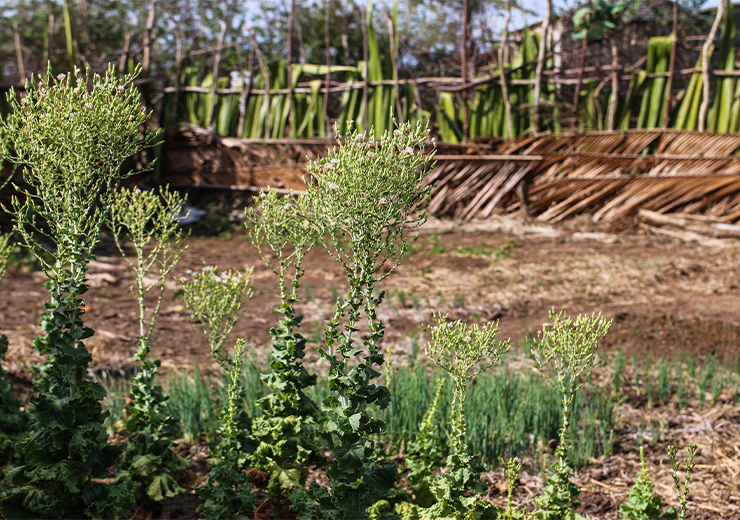
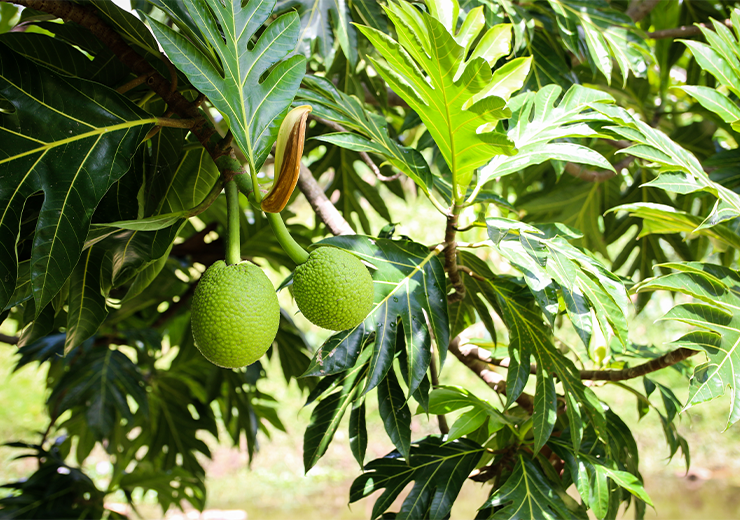
“As a result of the training sessions and cooking demonstrations organised by our group, I now vary the foods I prepare and diversify our meals."Marie Helene Fanja, CBSG member
When asked why the adoption of improved nutrition practices has been so rapid, Imberty points to the immediacy of results.
“Communities, farmers, parents – all testify that the impact on health is almost immediately visible, and children and adults alike are healthier and happy to eat tastier meals,” he says. “There is no need to be a doctor to see the benefits of improved nutrition.”
By linking financial resilience, social learning, agricultural practices and nutrition awareness within a single community platform, CBSGs are helping to turn short-term behaviour change into sustained habits.
The approach highlights a broader shift in understanding – that nutrition is about both access to food, and about the social systems that shape how it is produced, shared and consumed. “Sustainable nutrition improvement requires not only informing individuals,” concludes Dr Jahangir, “but transforming the environments in which decisions about food, care and health are made.”
AKF delivers programmes in Madagascar through its local branch, Organisation de Soutien pour le Développement Rural à Madagascar (OSDRM).




Support our work Your donations are helping us build a future where we all thrive together.