
The initiative will strengthen the resilience and sustainable reintegration of displaced populations while promoting stability, social cohesion and economic growth.

The Aga Khan Foundation (AKF) and the European Union (EU) have partnered on a €13.5 million initiative to strengthen the resilience and sustainable reintegration of displaced populations while promoting stability, social cohesion and economic growth across ten provinces in Afghanistan.
The Boosting Resilience, Inclusive Development, Growth and Economic Empowerment (BRIDGE) initiative is funded through a €10 million contribution from the EU, with a further €3.5 million co-funded by AKF.
“Today, we concluded an important agreement that will support the livelihoods of Afghan people and help address the root causes of migration and forced displacement,” said Eric Beaume, Head of Cooperation, EU Delegation to Afghanistan.
“Through this action, we provide economic stabilisation and strengthen the resilience of Afghan communities, enabling them to build sustainable livelihoods and withstand future shocks. This collaboration reaffirms the European Union’s enduring commitment to the Afghan people, and we will continue to support them in building a more resilient and sustainable future.”

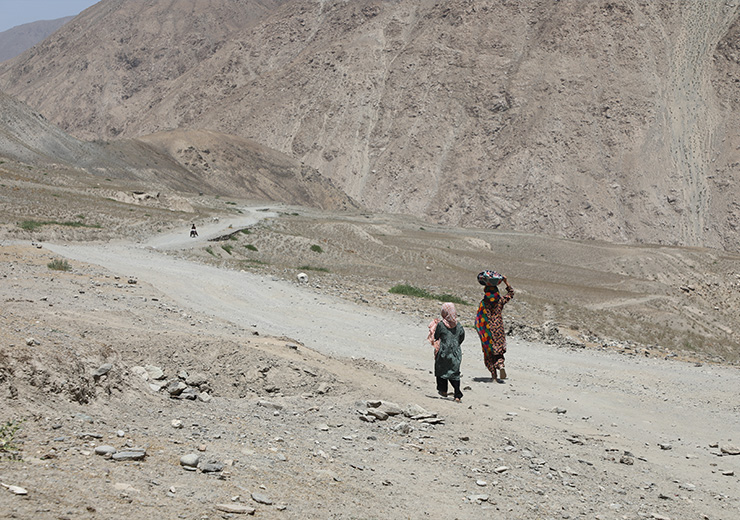

The programme aims to support a total 665,000 people directly and indirectly.
Dr. Najmuddin Najm, CEO of AKF Afghanistan and AKDN Coordinator in Afghanistan, said, “Building on the longstanding partnership between the EU and the Aga Khan Development Network (AKDN) in Afghanistan, we are pleased to announce this new initiative, marking another important step in our collaboration in the country.”
“This project reflects our shared commitment to supporting vulnerable communities with a focus on strengthening socioeconomic stability and creating sustainable livelihoods and economic opportunities across Afghanistan.”

Over three years, the programme will directly benefit more than 83,000 people and a further 582,000 people indirectly, with an emphasis on youth, women, vulnerable host communities, returnees, and internally displaced persons. BRIDGE will integrate three key areas of inclusive development: climate resilient and productive agricultural livelihoods, economic diversification and employment, and community resilience and sustainable reintegration.
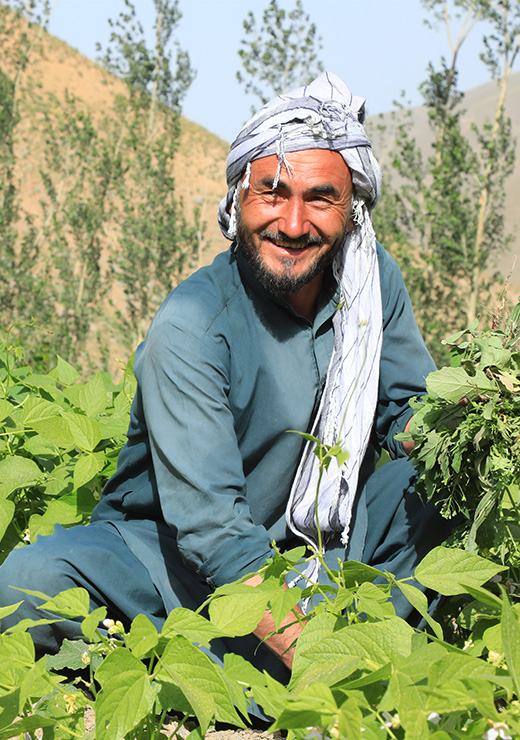
In its efforts to build climate resilience, the initiative will directly benefit over 35,900 people through climate-smart and regenerative agriculture. It will also improve access to productive agricultural assets, inputs and technologies and strengthen resilient agricultural value chains and sustainable management of natural resources.
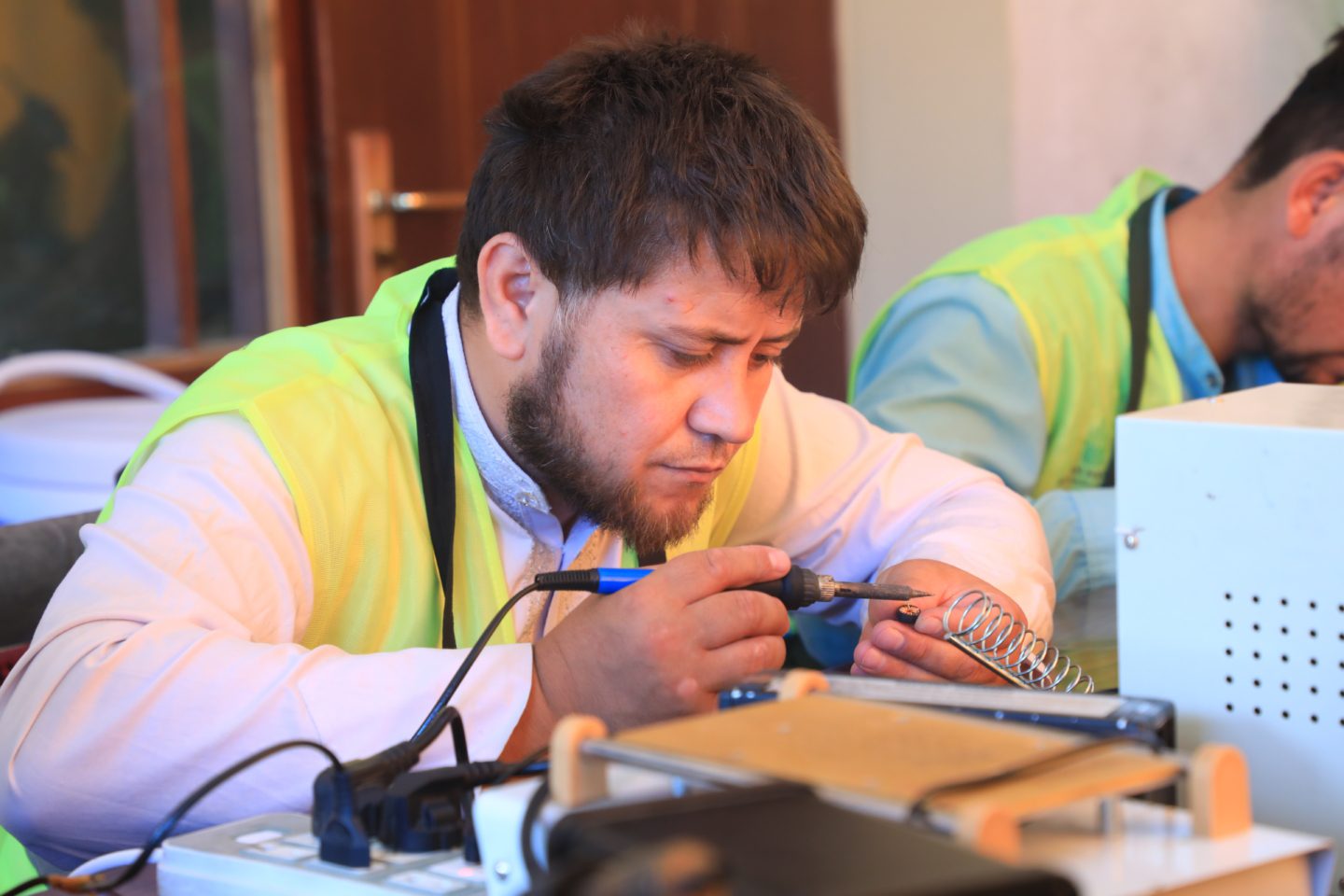
To promote economic growth, BRIDGE will directly reach approximately 24,000 people through expanded opportunities for employment, entrepreneurship and micro, small and medium enterprises (MSMEs), especially targeting women-led and returnee-led businesses. Improved access to finance and market linkages will boost economic resilience, giving special attention to creating opportunities for youth and reducing the socioeconomic drivers of irregular migration and displacement.
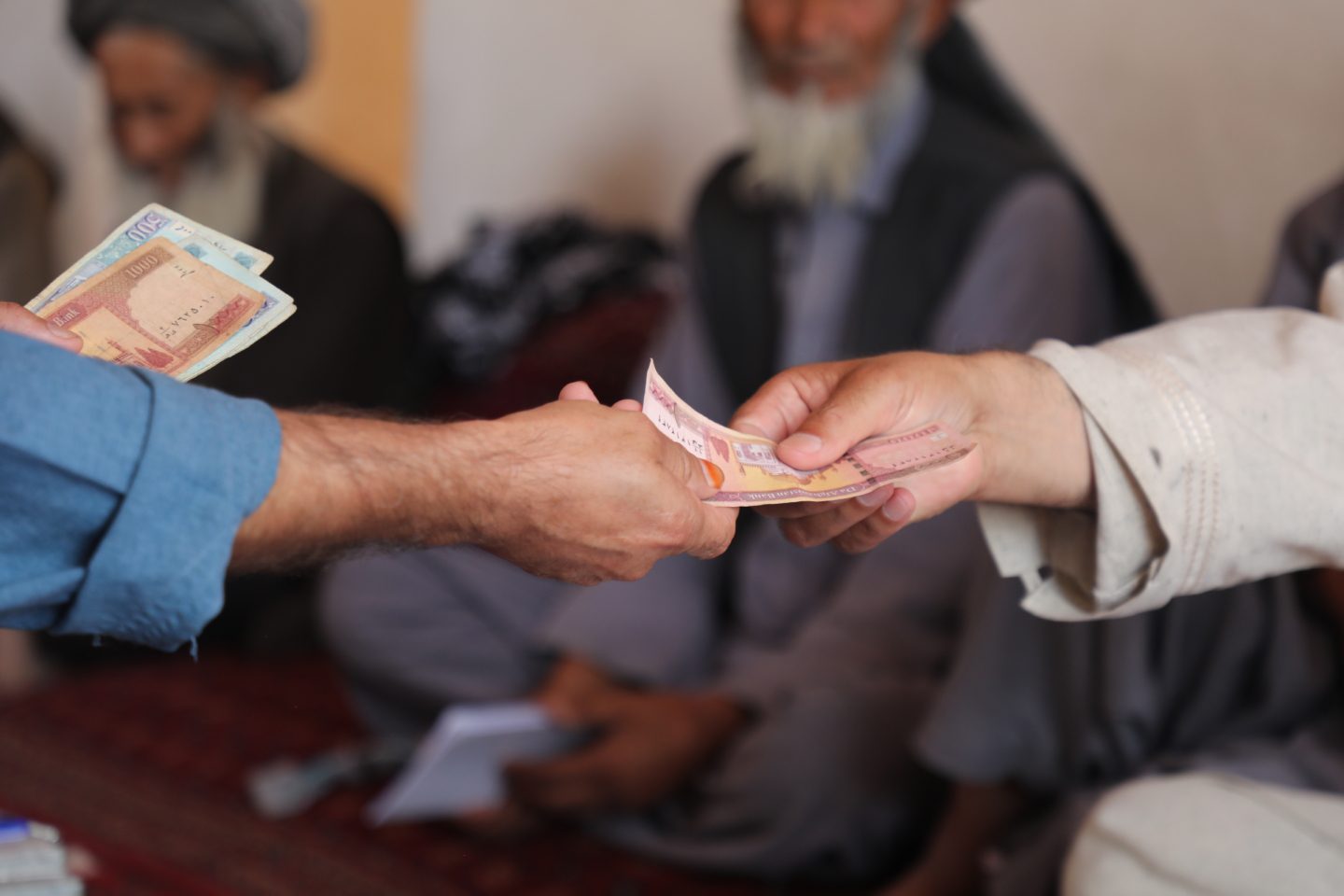
Inclusive economic resilience is at the heart of the initiative. The initiative will promote inclusive finance by expanding community-based savings groups (CBSGs), with the aim to improve access to savings, enhancing women’s engagement in economic activities within their communities.
The programme will also strengthen social cohesion and reintegration mechanisms, promote inclusive community engagement and reinforce area-based coordination directly reaching more than 23,300 people.
Through its integrated approach to livelihoods, economic development and community resilience, BRIDGE will support vulnerable communities to build more secure, sustainable futures.




Support our work Your donations are helping us build a future where we all thrive together.