
The Tuinuke Pamoja project – meaning 'let's rise together' – is enabling women to speak up with confidence and advocate for their needs

In central Tanzania’s Dodoma region, community groups are proving that collective action can shift long-standing gender norms and open new pathways to empowerment.
Tuinuke Pamoja – Kiswahili for “let’s rise together” – is a three-year initiative that is working to strengthen community groups, foster gender equality and connect local leaders to broader networks of change. These include civil society groups, government bodies and advocacy platforms that can support community-led solutions and amplify their voices.
Funded by the Embassy of Ireland in Tanzania and implemented by the Aga Khan Foundation (AKF), Tuinuke Pamoja is working across seven districts.
As the implementing partner, AKF leads the overall coordination of the project, strengthening community groups through tailored training initiatives and community knowledge centres, which serve as local hubs for learning and advocacy. AKF also supports the groups in identifying their own challenges, planning locally driven solutions and implementing activities that promote women’s voices, safety and leadership.

Women in Tanzania play central roles in farming, family care and community life with 92% of women farmers working the land primarily to meet their families’ needs, rather than to earn an income. Typically, women have less land and fewer livestock, making it harder to farm beyond the subsistence level.
Despite their crucial contribution, women’s community participation remains restricted. Traditions and norms often limit their voice in households and public spaces, while gender-based violence and early marriages restricts access to education and harmful cultural practices further limit their opportunities.
Across Tanzania’s Dodoma region, these challenges are particularly visible. In some areas, restrictive religious and cultural beliefs make it especially difficult for women to participate in public life. In rural areas, language barriers further exclude many from fully participating in dialogues that are crucial for fostering deeper engagement; some women primarily speak Kirangi – a local dialect in Dodoma – and have limited proficiency in Kiswahili.
“Before Tuinuke Pamoja, we had the will but not the know-how. Now, we can manage our income and work together effectively."Halima – women's group member
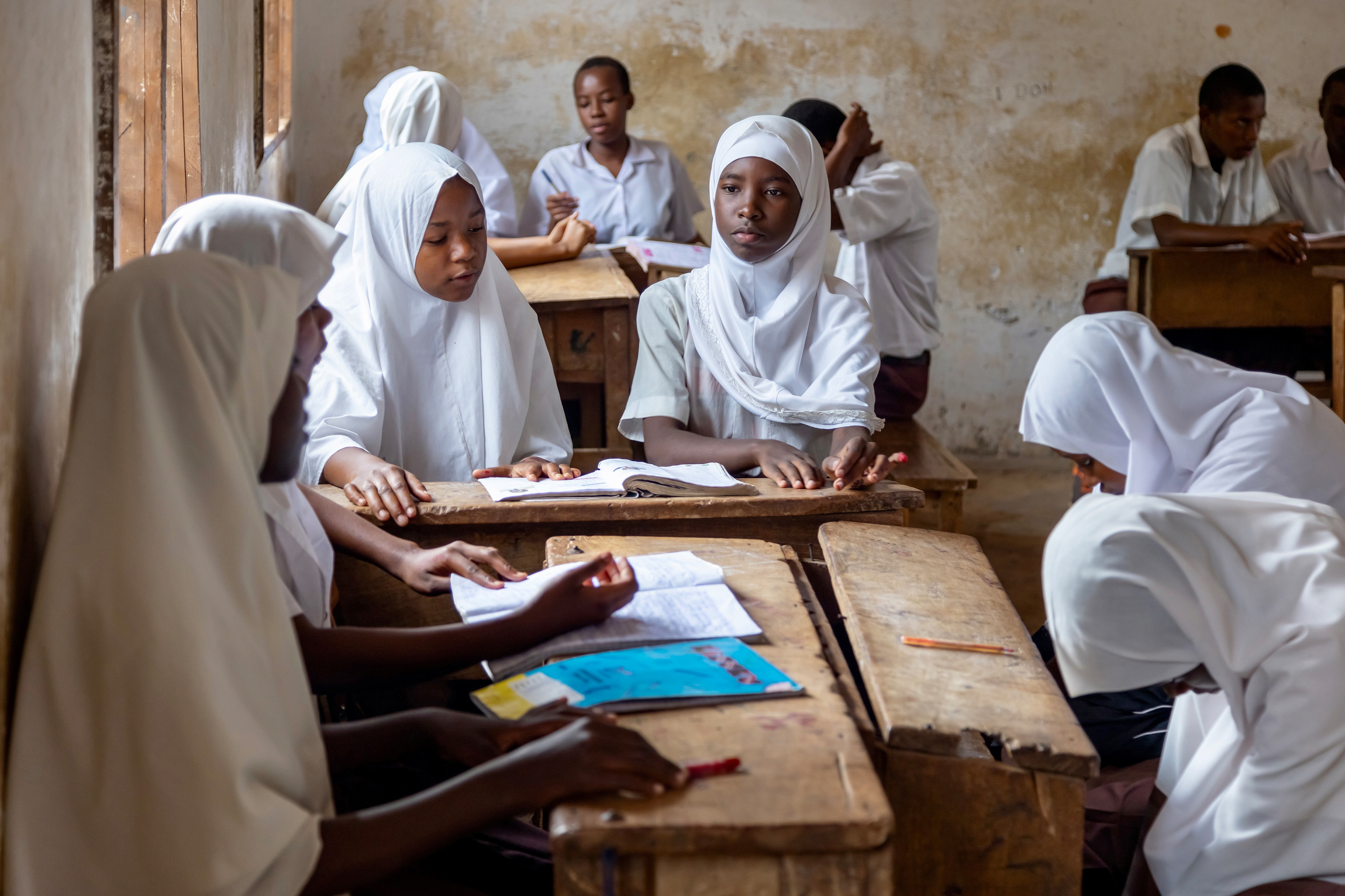
Tuinuke Pamoja has already sparked change in familiar places: homes, schools, motorcycle stands and village centres. Here, women and men are now discussing once taboo issues, such as who makes decisions in the household, how girls can stay in school and why violence against women and children must end.
One example is the Tujikomboe Makamaka women’s group. Formed in 2023 as a neighbours’ savings pool to start small businesses in tailoring and poultry, the group has now grown into a safe space to challenge long-held gender norms.
For these women, joining AKF’s Tuinuke Pamoja project was a turning point:
“Before Tuinuke Pamoja, we had the will but not the know-how. Now, we can manage our income and work together effectively,” member Halima shared.

Tujikomboe Makamaka is one of 105 community groups partnering with AKF through the project. All groups have participated in workshop and training sessions about disability rights, the dangers of early marriage and female genital mutilation, and the importance of preventing gender-based violence.
This knowledge has been shared across five villages, six schools and six motorcycle stands, reaching men, women and youth in ways rooted in local wisdom.
“We believed men are always the decision makers, but now we see that women can be part of those decisions too.”Shadia Chakha – women's group member
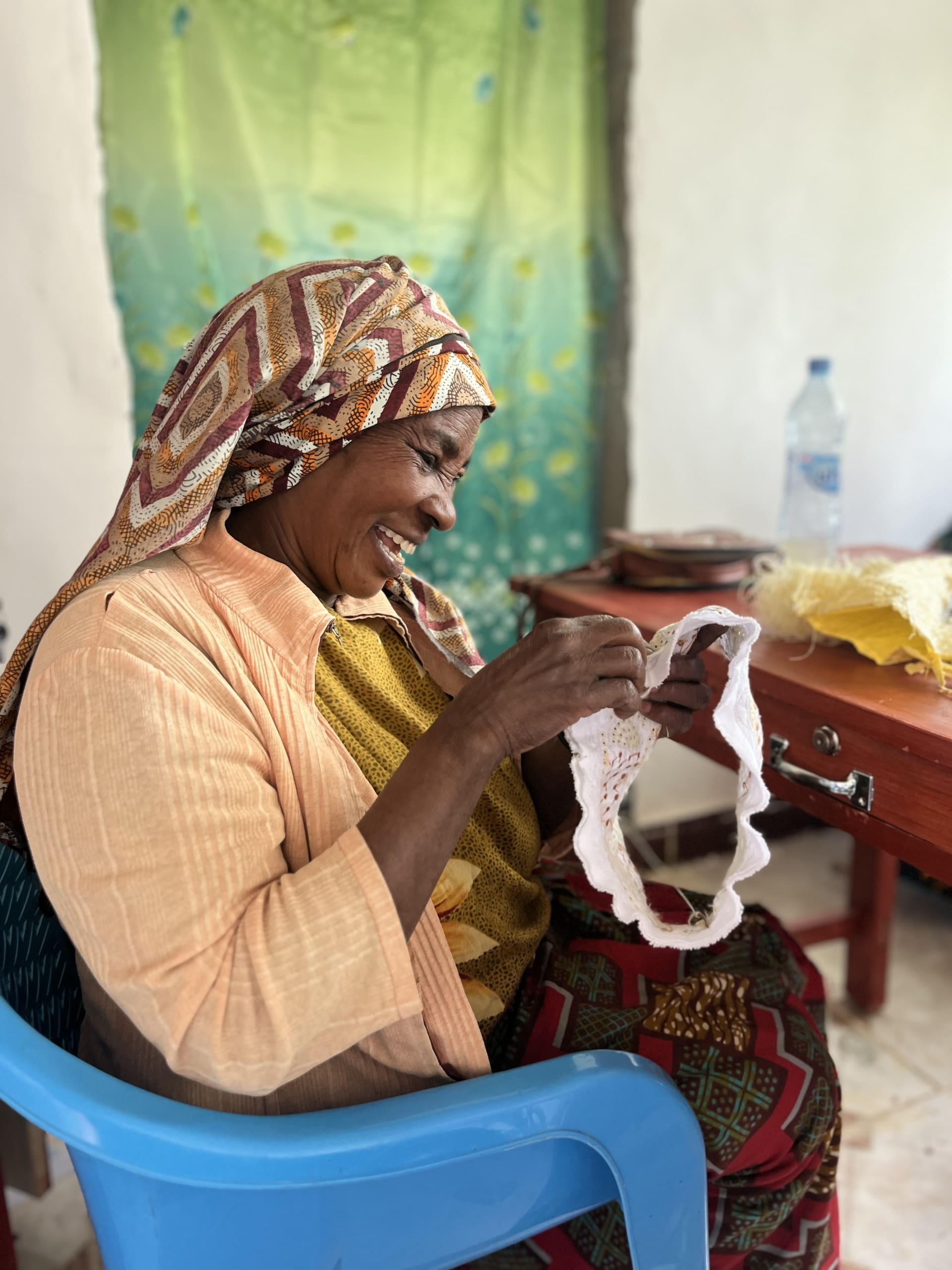
Member of Makamaka women’s group in her tailoring office in Chemba district | Photo: Linh Nguyen / AKF
As member Shadia Chakha put it:
“We believed men are always the decision makers, but now we see that women can be part of those decisions too.”
Other groups like FAJUZARA, Kondoa Women, and Mambo Safi have tackled issues ranging from HIV awareness to early pregnancies and harmful cultural beliefs. Because the messages come from within the community, they carry the weight of familiarity, trust and real possibility to make lasting change in the community.
These groups found creative ways to show the value of their work. Some members have applied the skills and knowledge gained to start small poultry activities. These activities are providing additional food and income for their households – tangible benefits that families can immediately see.
In this way, the learning and social cohesion fostered by the groups have translated into practical, livelihood-related gains that strengthen acceptance and support within their communities.
“Men aren’t completely changed, but when they see us contributing to the household, they begin to support more,” one group member explained.

Tuinuke Pamoja also works with Sheikhs (Islamic faith leaders) to further these conversations and build trust across the community. Through dialogue, the Sheikhs are supporting their communities with faith-aligned teachings on women’s empowerment.
Guided by their local groups, people from all corners of the community are recognising the importance of collective action. Children are taught about their rights in schools and in workshops. Women are finding their voice in decision-making spaces, while men from nearby villages seek to form groups of their own. At the same time, elders and people living with disabilities are more visible in community spaces, sharing their experience and contributing to the change.
The ripple effects of collective action are now visible across the Dodoma region:
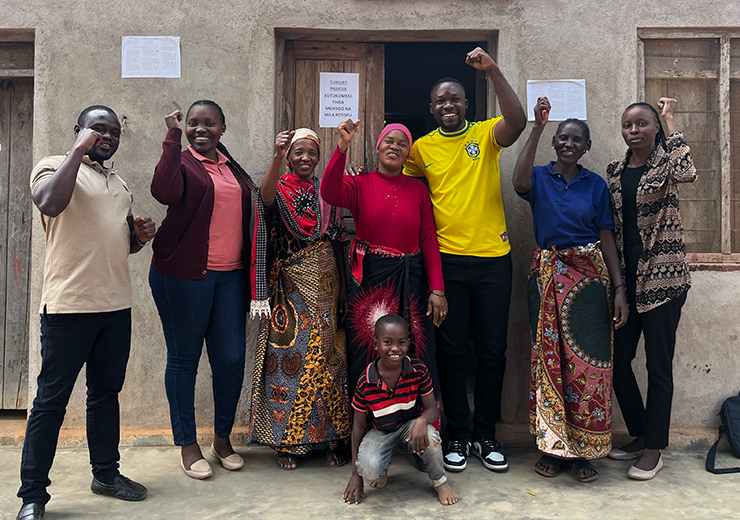
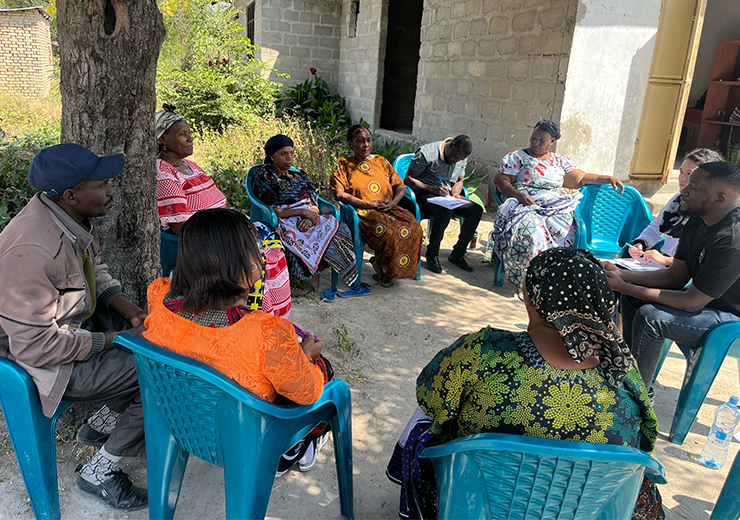
By the end of its first year, Tuinuke Pamoja reached more than 10,000 people across the Dodoma region. 21 community groups received funding to carry out their own projects, from HIV awareness campaigns to income-generating businesses.
For the women of Makamaka and many others across Dodoma, Tuinuke Pamoja is a reminder that the knowledge to create change is already within their communities.
As Halima, a member of Tujikomboe Makamaka, said, “This is not a one-day effort. It must be ongoing. We want to rise together for ourselves, for our children and for our community.”
With thanks to the Embassy of Ireland in Tanzania





Support our work Your donations are helping us build a future where we all thrive together.