

Early Childhood Development
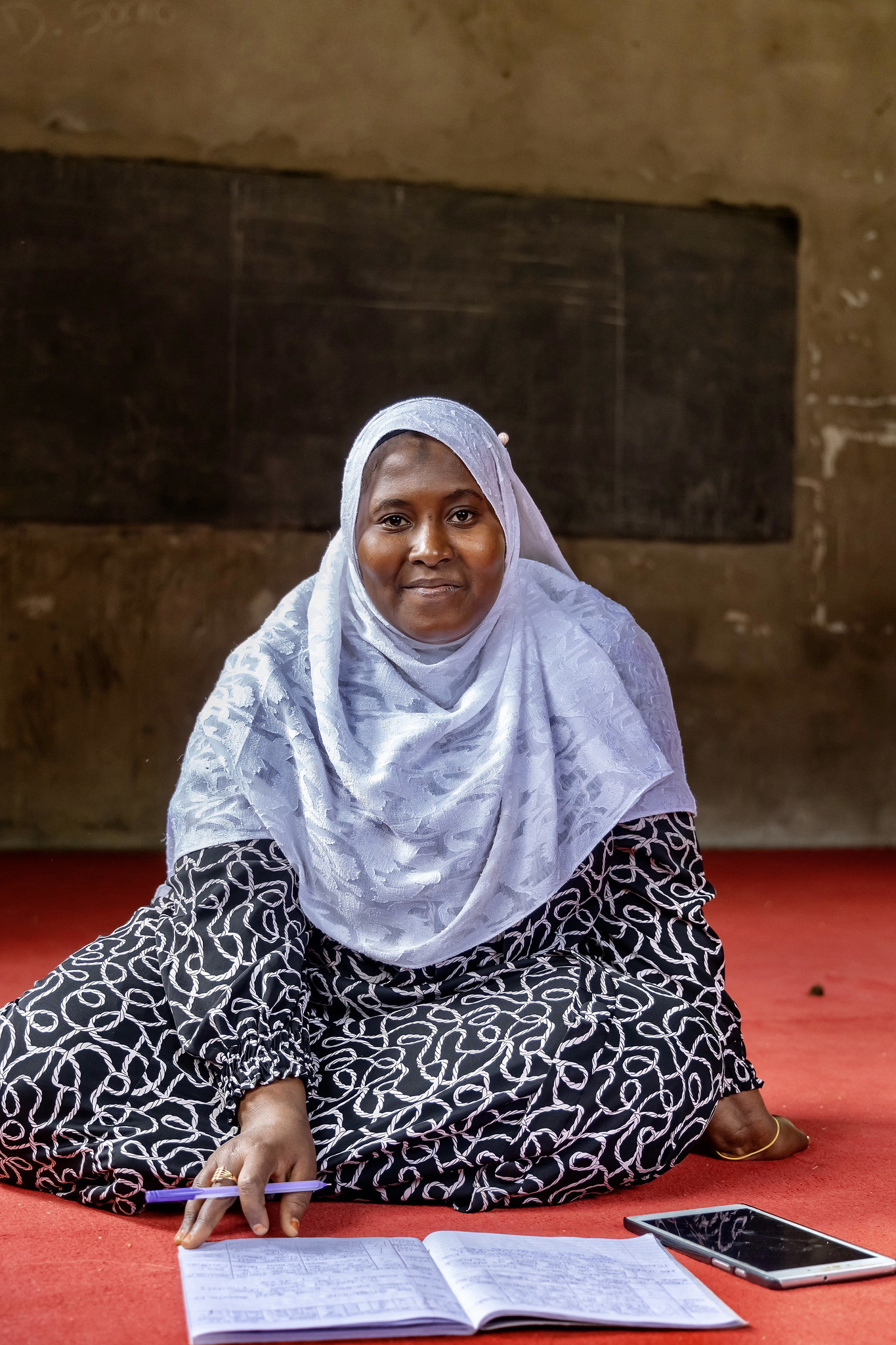
Vibrant, playful, creative, colourful – these are the words that first come to mind when you step into Teacher Sauda’s classroom.
Sauda is a pre-primary teacher at Al-Jadid School in Bweleo, a small village in Zanzibar, Tanzania.

“I decided to become a teacher because when I finished Form 4 (secondary school), there were not enough teachers here,” says Sauda.
“At the time, I had not yet studied teaching; I just came to volunteer. I liked it because I used to teach my own children, just tutoring at home.”
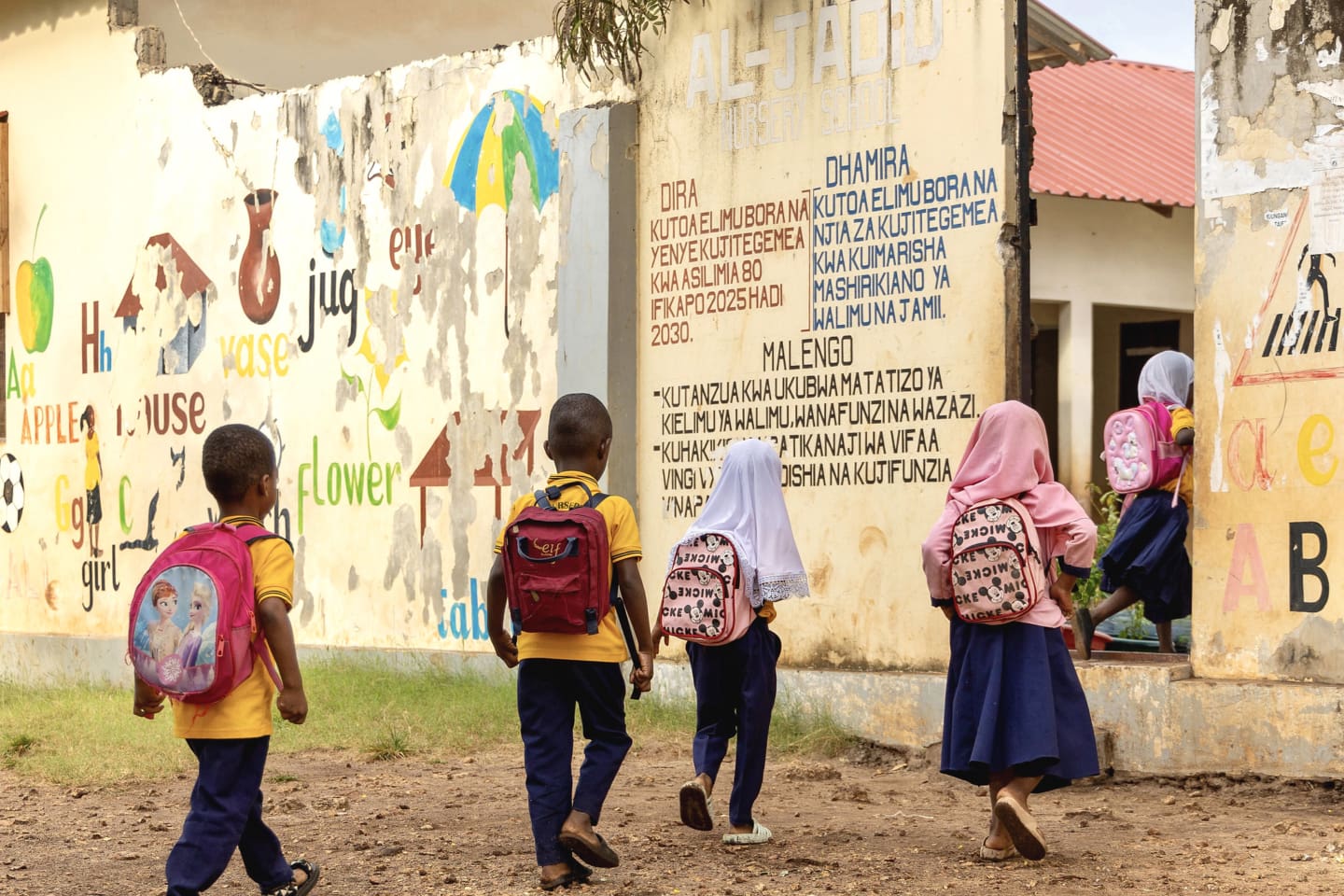
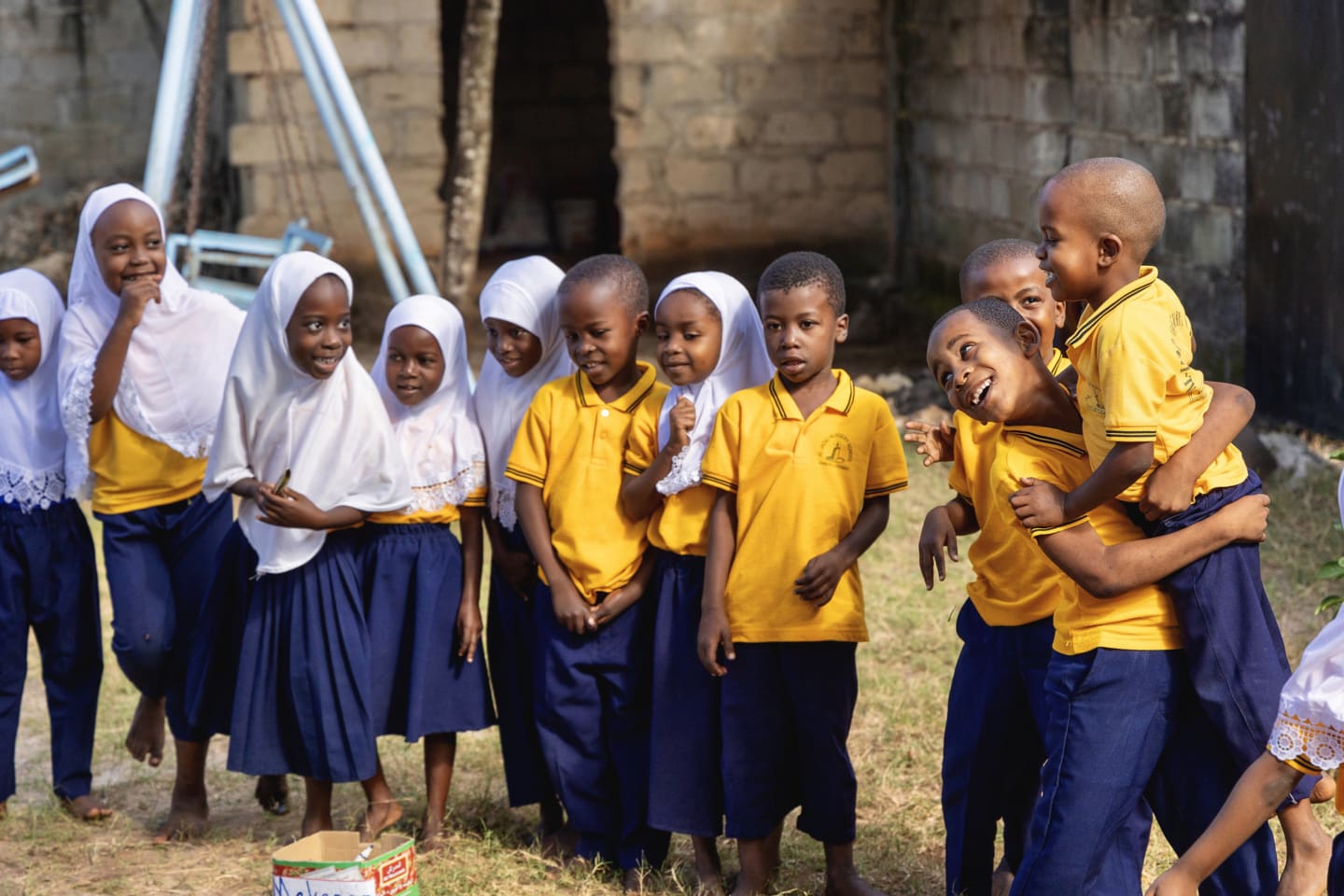
In 2021, Sauda’s school partnered with the Madrasa Early Childhood Programme (MECP) to offer teacher training to their staff.
MECP is a community-led, flagship AKF programme focused on early childhood development in East Africa. Canada was one of the first funders of MECP, providing support to develop, refine and expand the programme. Today, Canadian investments support curriculum development and professional development for teachers like Sauda, supporting high-quality education for thousands of young learners.
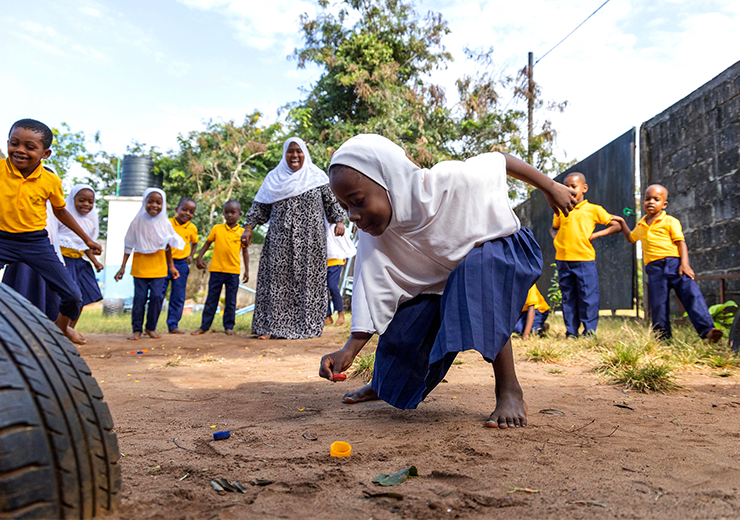
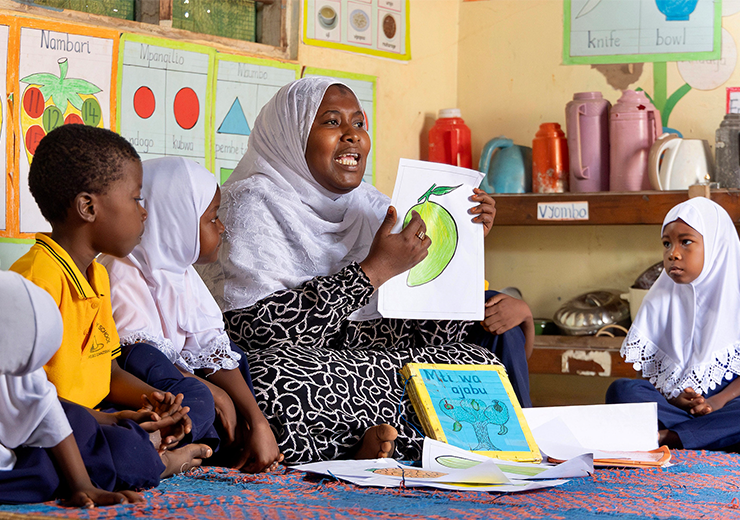
In 2023, Sauda graduated from MECP’s two-year pre-primary teacher training programme and became a certified teacher.
“After the two years, I gained skills on how to stay with children, how to teach them, and that is why I am still teaching.”
MECP focuses on supporting quality and affordable early childhood development. MECP works closely with teachers, parents, caregivers and local leaders to ensure that its approach is tailored to cultural contexts.
Active learning is at the heart of MECP’s ethos – promoting child-centred learning where students can interact with each other, use playful learning materials and develop foundational literacy, numeracy, cognitive, social and motor skills. MECP also supports children with diverse learning needs to ensure inclusive classroom environments.
“When we started the training, we learned that you must sit with children at their level, not me high up and children down below."Sauda, teacher
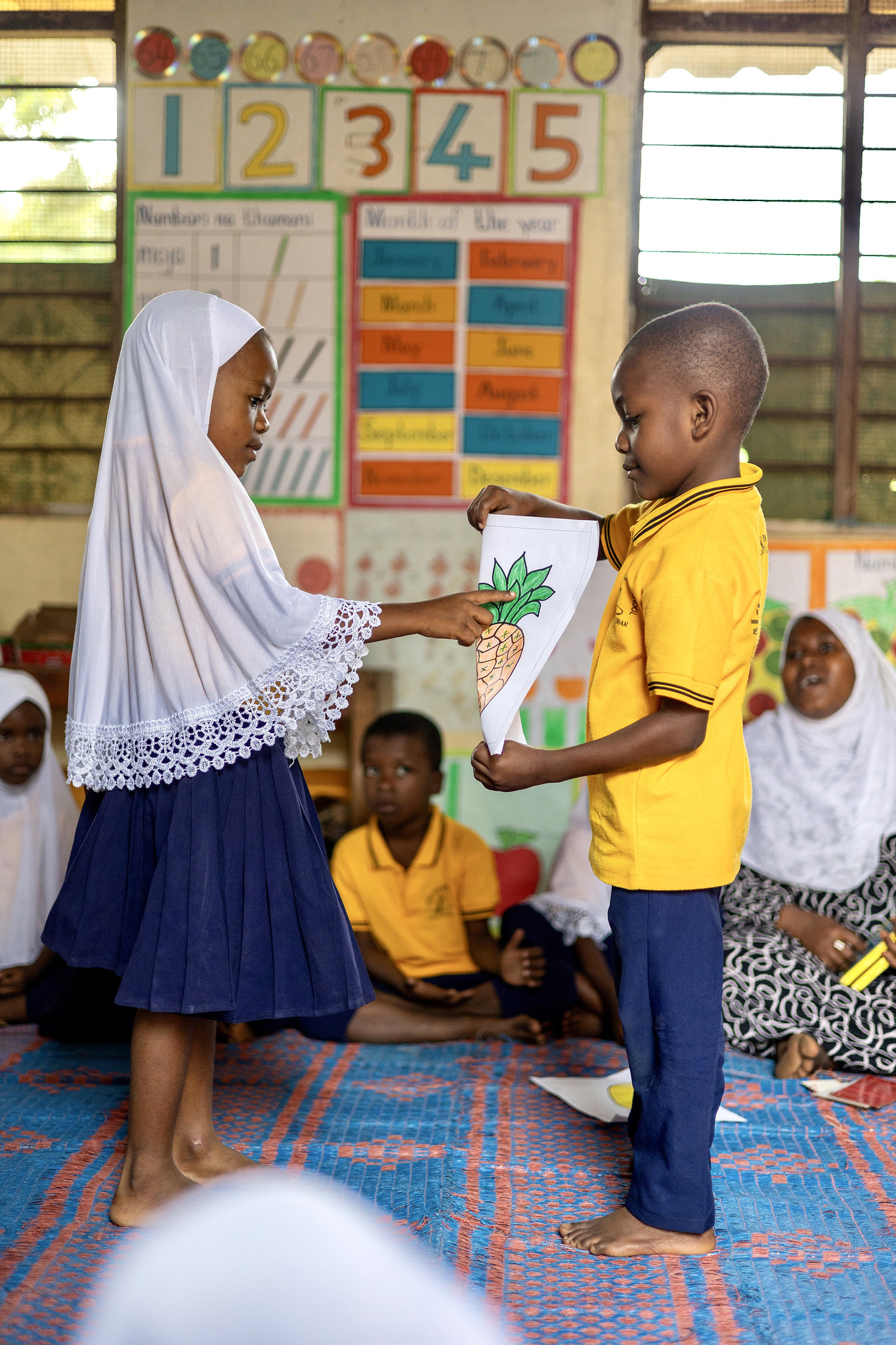
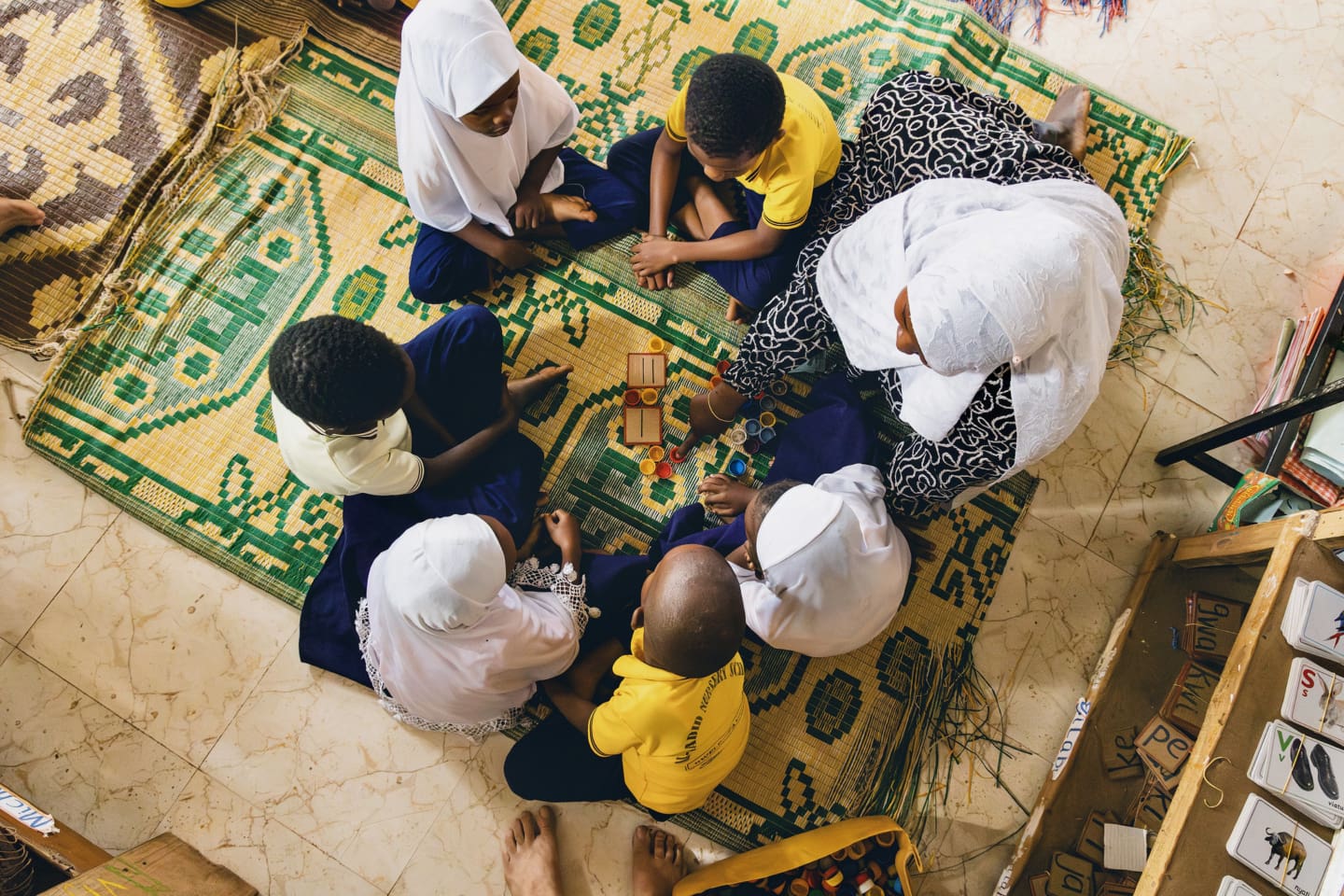
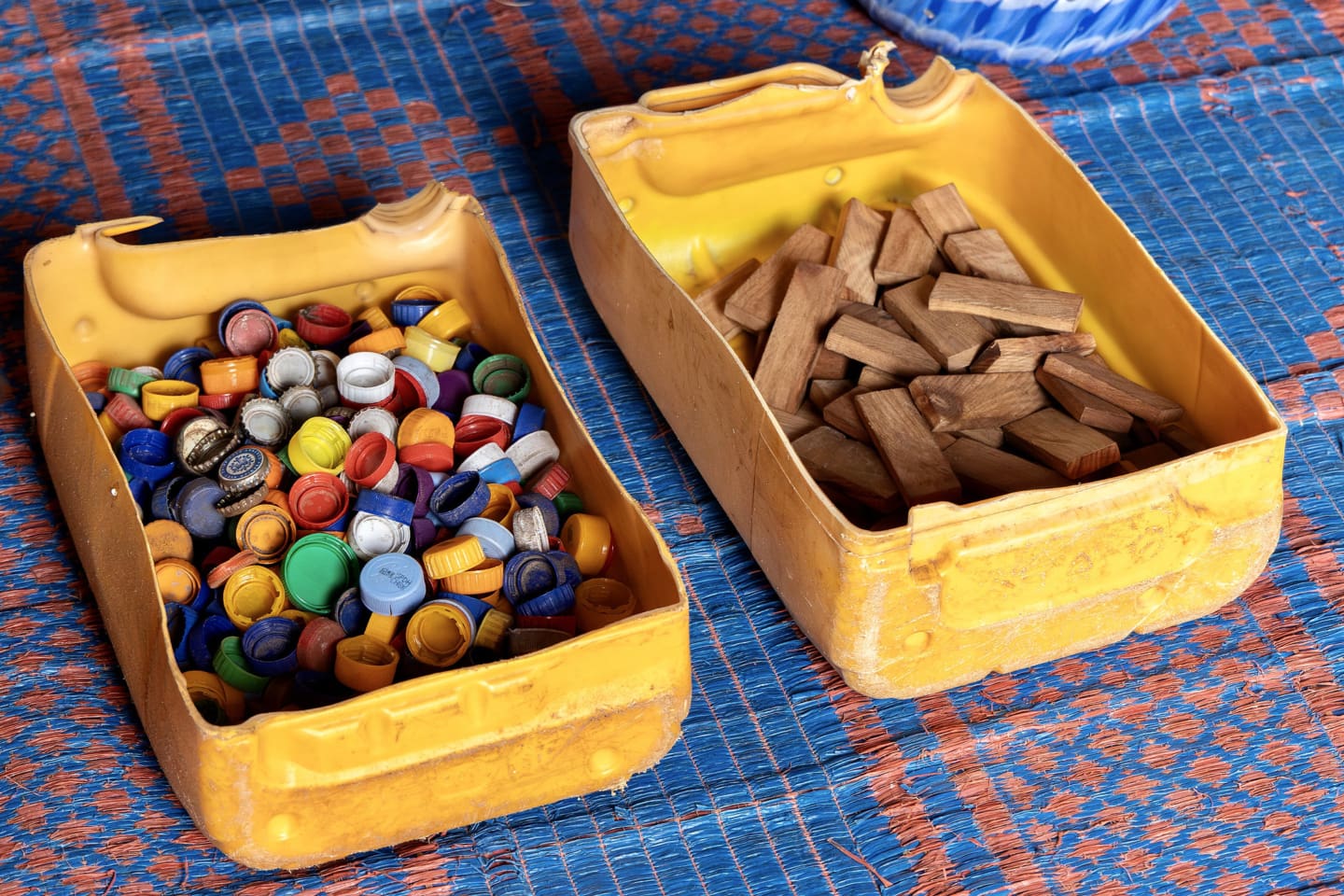
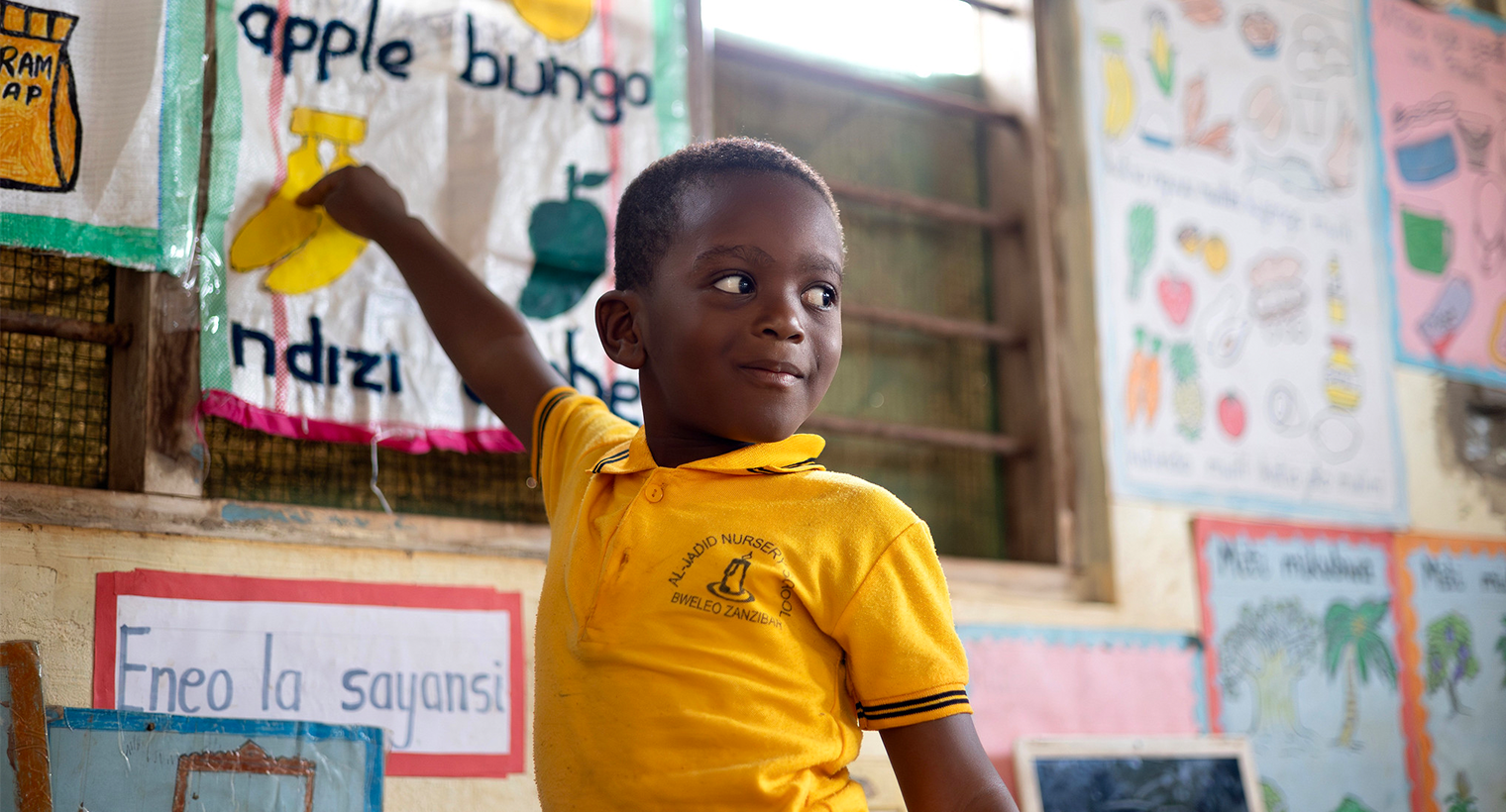
Emphasising low-cost, locally available materials is also part of MECP’s approach – and this is visible in every corner of Sauda’s classroom.
“[When I first started here], my classroom only had about two charts, and the play corners were not there. We used to sit at desks. The tiles were not there,” remembers Sauda. “We were taught how to prepare learning and teaching materials [during MECP’s training].”
Now, the shelves in in the room – also built by Sauda and her fellow teachers – are filled with boxes of colourful learning aids, like stones, shells and bottle caps collected from around the community.
“[Us teachers] brought different items for making our classroom materials. We also asked children to bring materials that are easily found in the neighbourhood, and that’s what helped us fill our classroom.”
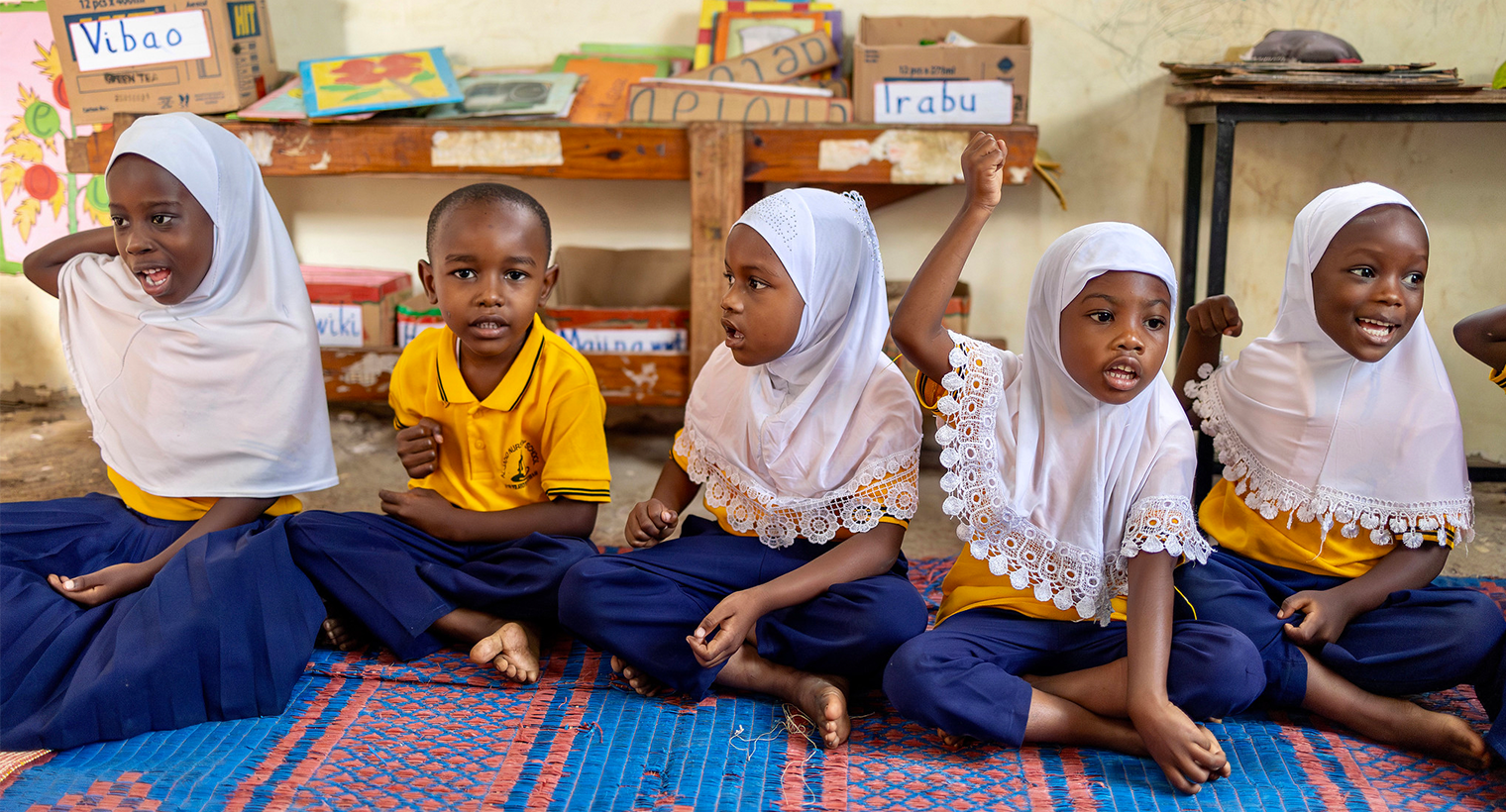
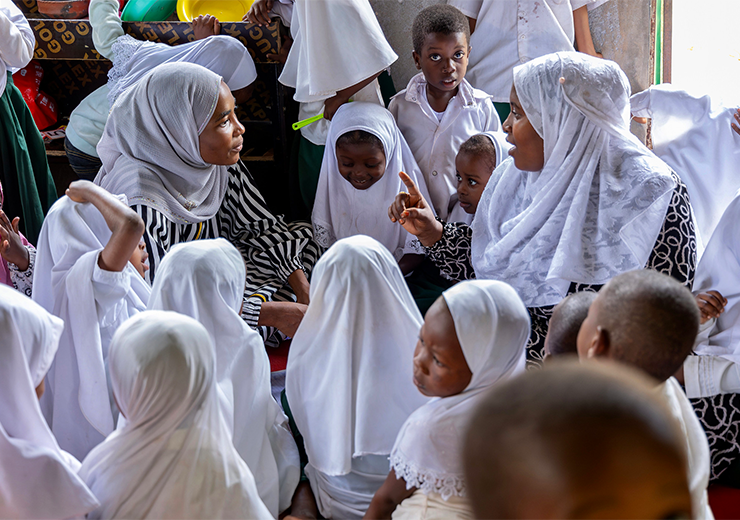
For Sauda, MECP’s training has transformed how she teaches. Instead of desks, she and her students sit on colourful mats.
“When we started the training, we learned that you must sit with children at their level, not me high up and children down below,” says Sauda.
These meaningful interactions between student and teacher, coupled with the process of co-creation, creativity and play-based learning, has made a huge difference in Sauda’s classroom. Her students are more excited to come to school and learn, and some parents from neighbouring communities have started enrolling their children in Sauda’s school after seeing the changes.
“After the training, I feel the children now really enjoy the way I teach, and they cooperate with me. In the beginning, I felt like I had wronged [my earlier students], I just came to teach, we sang and then we left,” says Sauda.
“But I feel so happy now, because I have truly changed. The way I used to teach at first before training, and the way I teach now are two completely different things.”
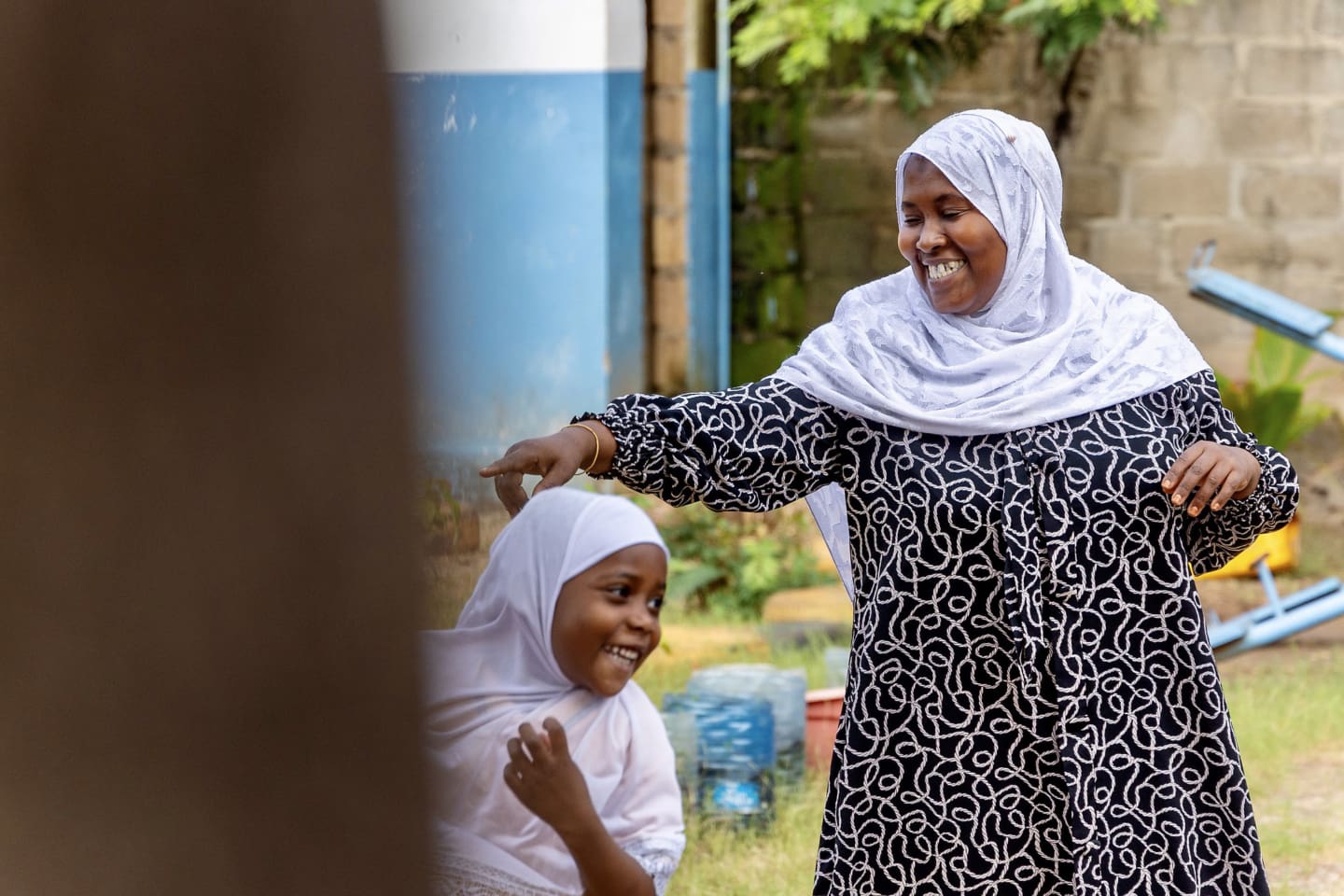

“I feel so happy now, because I have truly changed. The way I used to teach at first before training, and the way I teach now are two completely different things.”Sauda, teacher
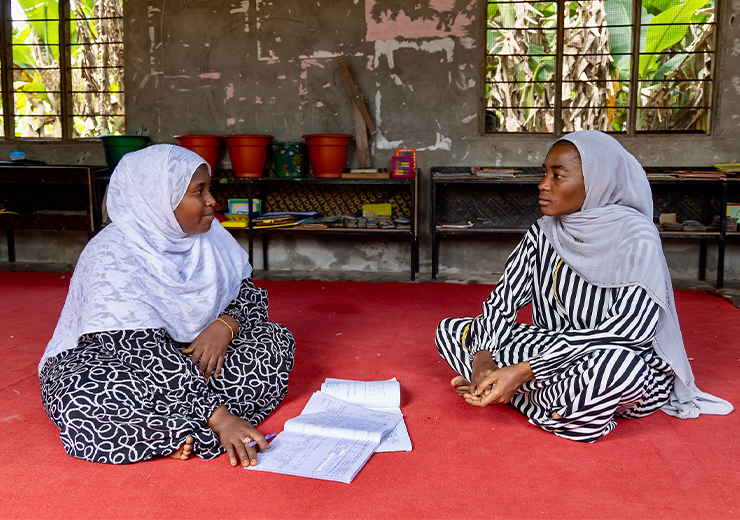
Now a skilled and certified teacher, Sauda also works as a teacher mentor for newly graduated MECP teachers and trainees. She often visits other classrooms to observe other teachers and share new approaches or help them with any issues they’re facing.
“For example, we encourage teachers to involve children in different activities, but not to discriminate based on gender. That is, children should do all tasks – we should not discriminate by saying ‘this job is for a girl, and this job is for a boy,’ because that will affect them later in life.”
“[Being a teacher and mentor] has changed my life in a good way… Truly, being a teacher makes you feel respected in a special way.”Sauda, teacher
Sauda also helps new teachers manage large classes and teaches them how to prepare teaching materials like the ones she uses with her students.
“I am happy to be a mentor because I wanted to be like the teachers who mentored me,” says Sauda.
“[Being a teacher and mentor] has changed my life in a good way… Truly, being a teacher makes you feel respected in a special way.”
When teachers like Sauda have the skills and knowledge to support quality, inclusive and affordable early childhood development and education, they’re better equipped to lay strong foundations for lifelong learning.

Words by Annie Lee
Photos by Rich Townsend
Sauda’s story is part of AKF’s Foundations for Education and Empowerment (F4EE) programme, supported by Global Affairs Canada.




Support our work Your donations are helping us build a future where we all thrive together.