

Across rural India, the face of local governance is shifting.
For generations, women have been the backbone of families and communities, often without recognition or inclusion in decisions that shaped their lives.
In 1992, the Government of India passed legislation to ensure women’s political representation, mandating that one-third of all elected seats on local governance were reserved for women. Despite this, persistent sociocultural barriers meant that some women representatives remained symbolic figures, with male family members making decisions on their behalf.
This is beginning to change.
Aligned with the Government of India’s commitment to ensuring a greater role for women in community decision-making, AKF has been working to promote gender-transformative local governance in 60 Gram Panchayats (village councils) in the northern states of Bihar and Uttar Pradesh. These efforts have strengthened the leadership skills of 90 women, many of whom are now in formal roles as Elected Women Representatives in their villages.
The programme has enabled the elected women to effectively address gender-based violence, advocate for the needs and priorities of women and children in village development plans and participate meaningfully in village governance and planning.
Here are some of their stories.
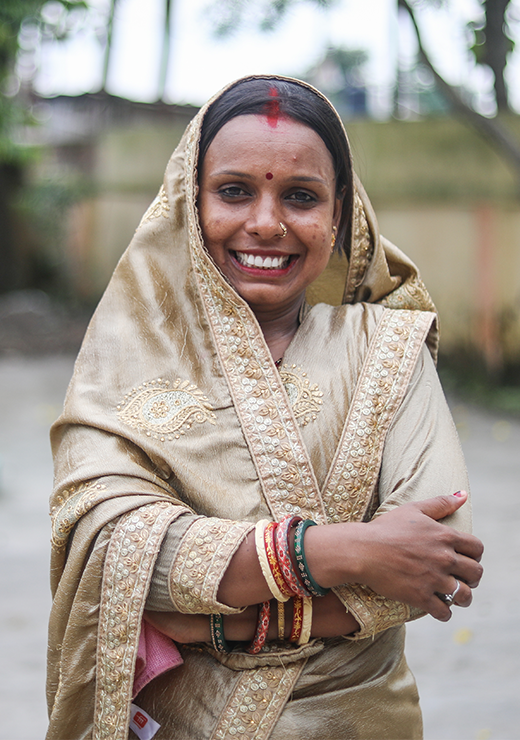
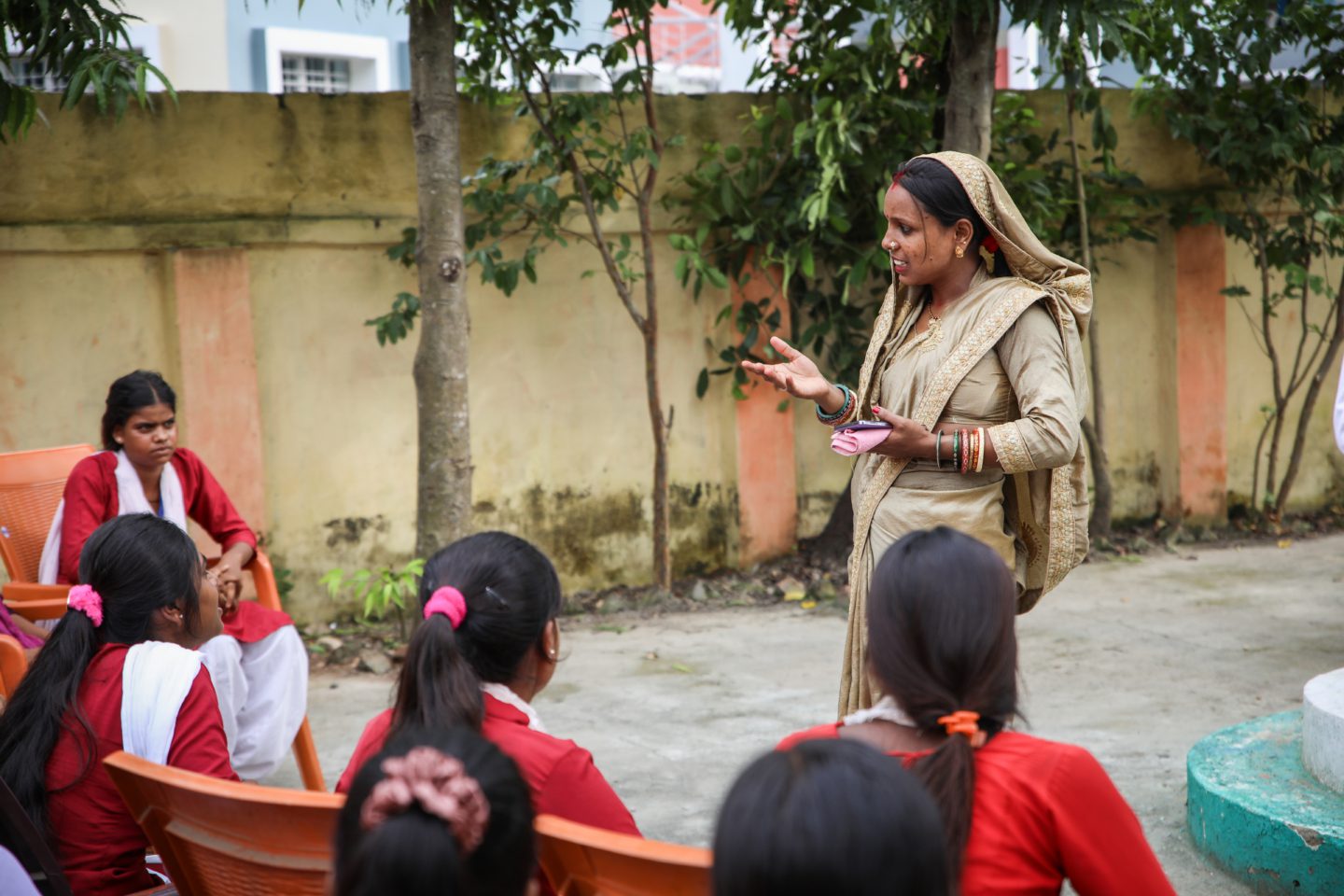
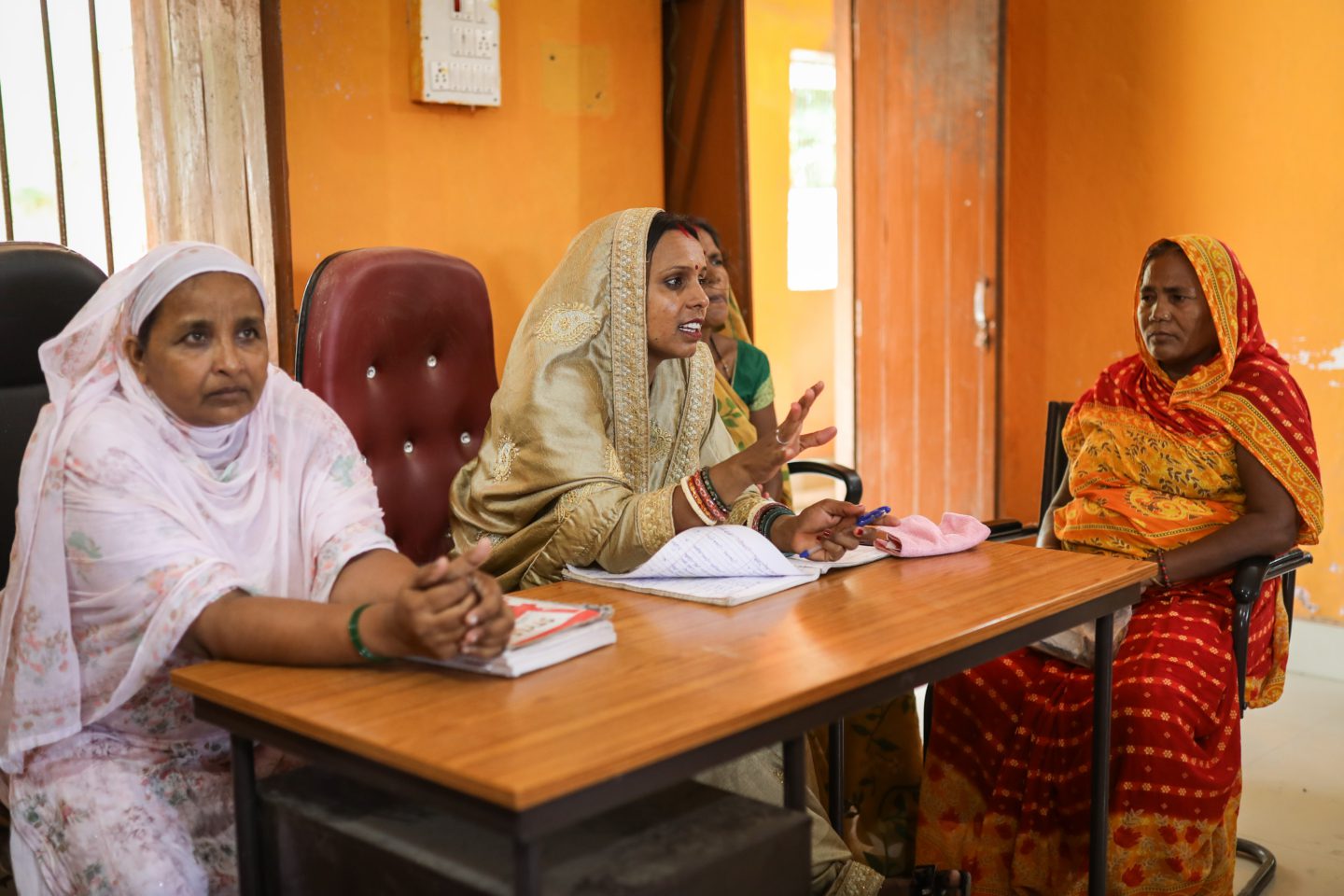
Every day, Rani Devi oversees the village court, helping resolve issues ranging from land ownership to domestic violence.
After participating in training, Rani was inspired to do more and began organising regular meetings with youth in her community to better understand local challenges and look for solutions together.
For Rani, what began as an administrative role has now become a platform for dialogue, trust and collective problem solving.
“After the training, I became more confident in resolving disputes within the community. I feel proud of what I have achieved with the support of my family.”Rani Devi
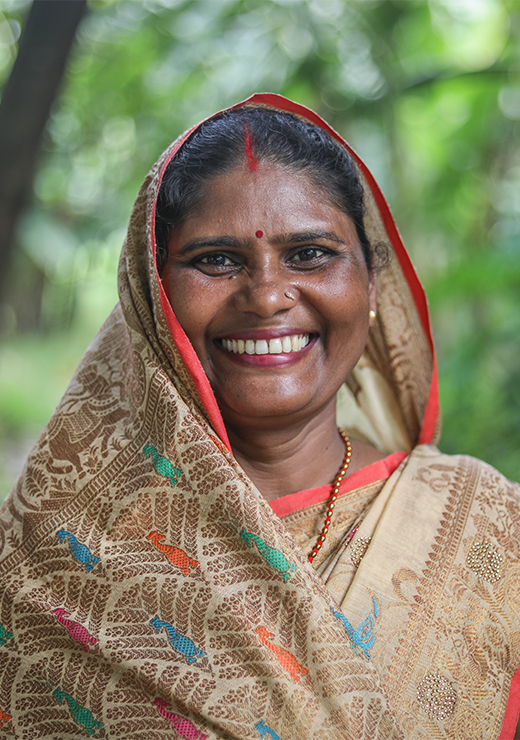
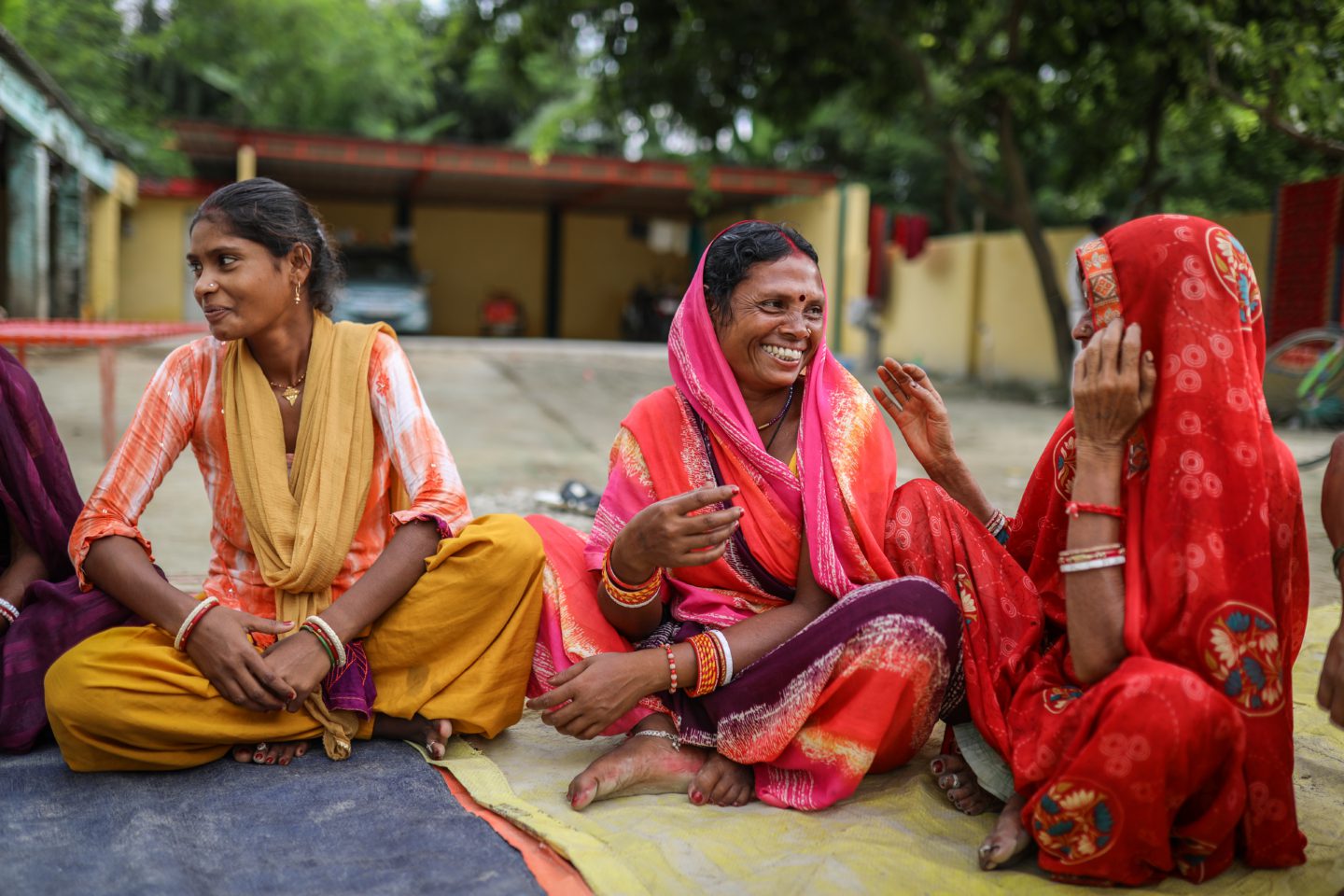
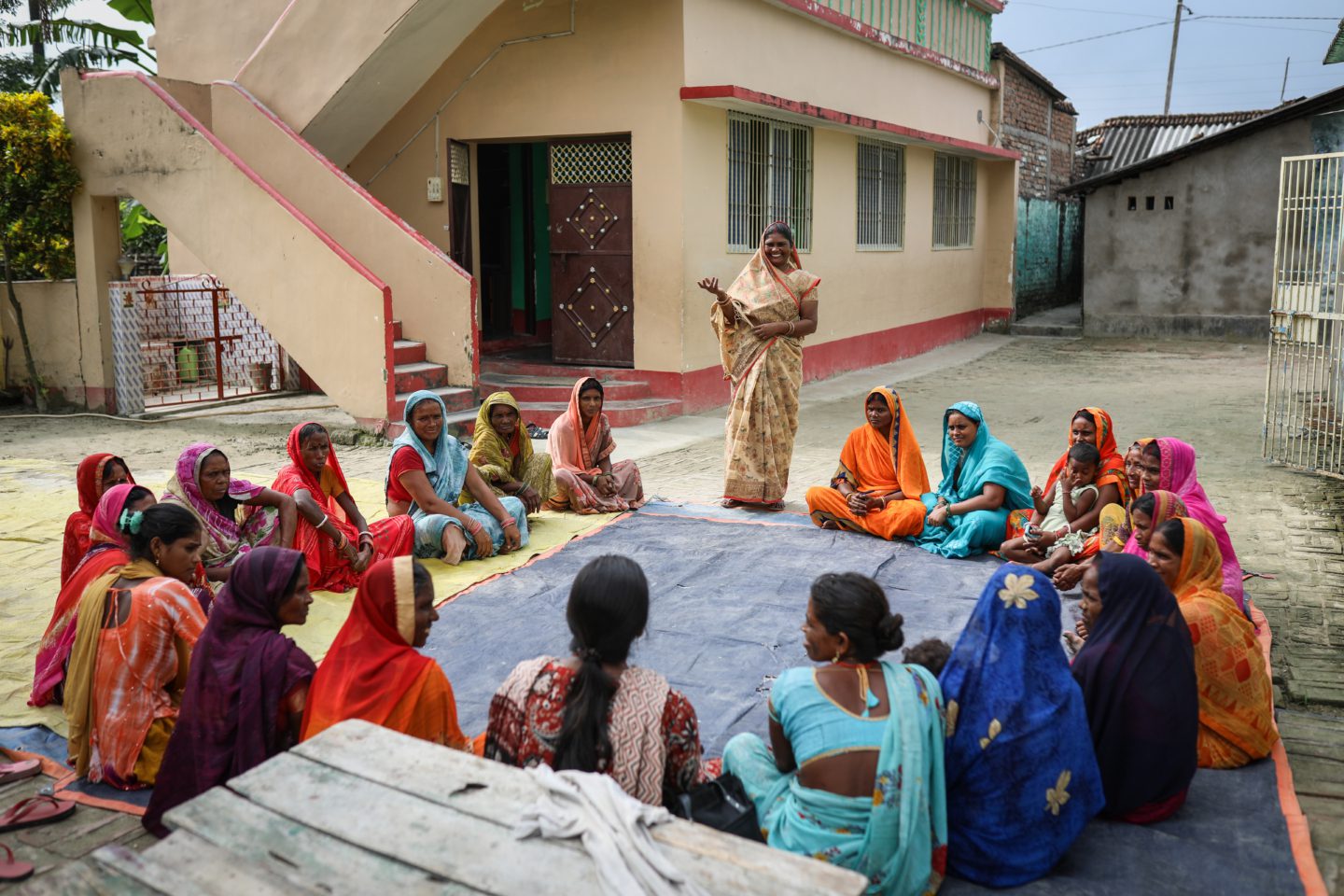
Like many elected women representatives, when Sunaina Devi was first elected Mukhiya (village head), she remained at home while the male members of her family handled official responsibilities on her behalf.
After participating in training, Sunaina decided to take on this role for herself.
“I realised that when a woman can become the President of our country why couldn’t I step out and lead my own village?”Sunaina Devi
Slowly, Sunaina began attending meetings independently and speaking directly with women in her community. In these conversations, she discovered a common challenge where many women wanted to work but lacked support from their families.
Today, thanks to Sunaina’s efforts, 10 women in her village work at a nearby stitching factory and are gaining financial independence. Sunaina now oversees regular women-only meetings, which have become a safe platform where women can speak freely because they know they are being heard.
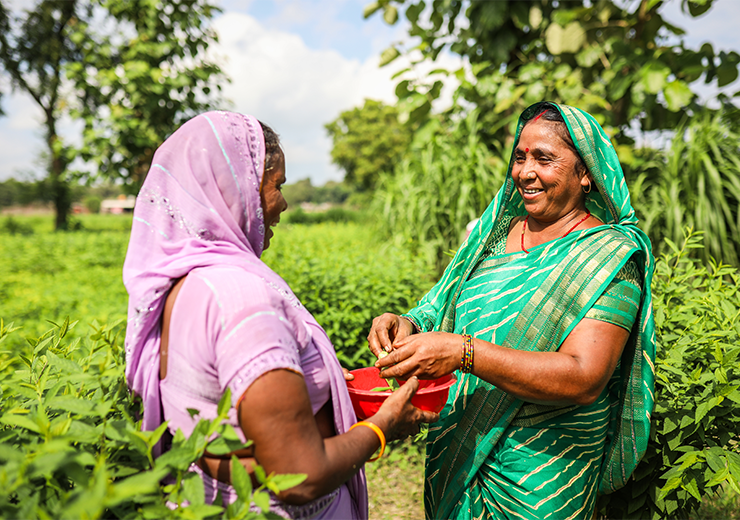
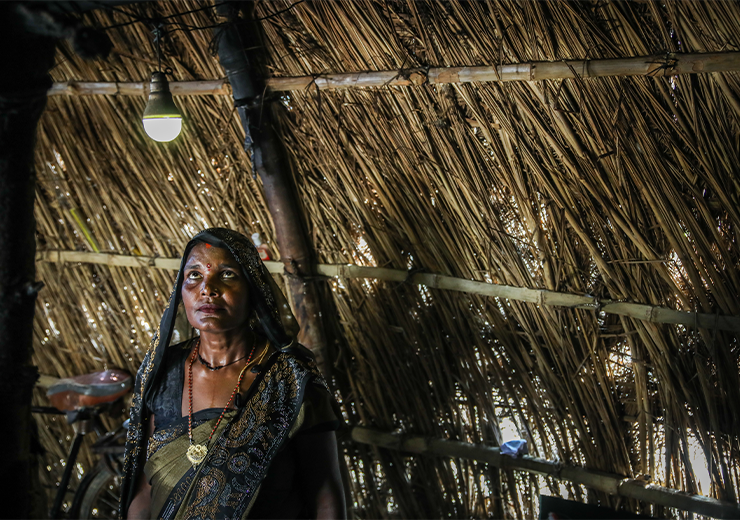
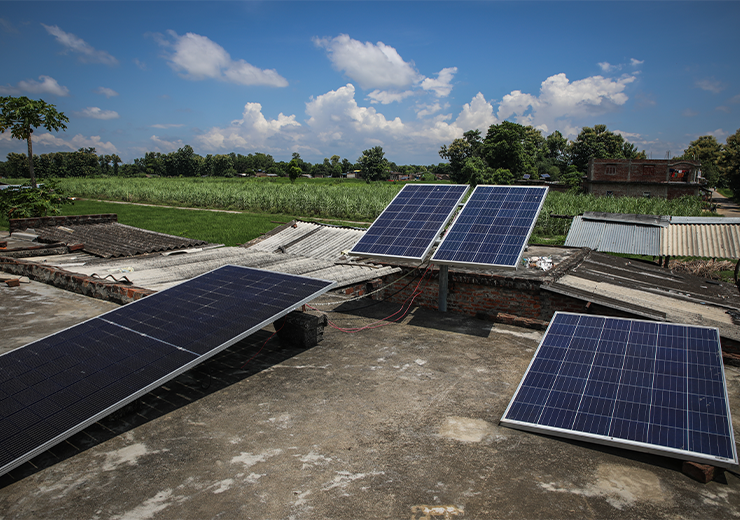
In Rajani Devi’s village, electricity was out of reach for years. Located near the India-Nepal border and situated in a forested region, infrastructure and connectivity was limited.
After learning about government schemes through AKF’s training, Rajani helped households access subsidies under Government’s rural rooftop solar scheme, helping many homes in the village receive electricity for the first time.
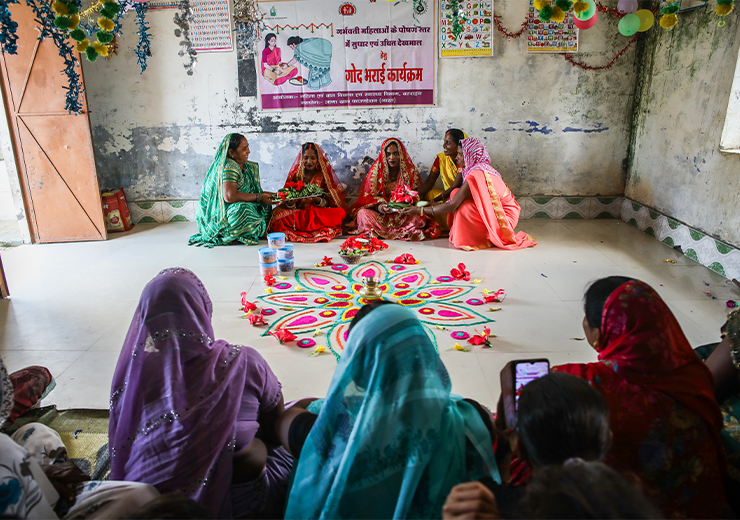
“Through the trainings, I understood how government schemes could help solve challenges like electricity and sanitation. Today, I also work with women on health, nutrition and encourage them to have nutrition gardens.”Rajani Devi
Under Rajani’s leadership, her community has greater access to services, opportunities and a better quality of life.
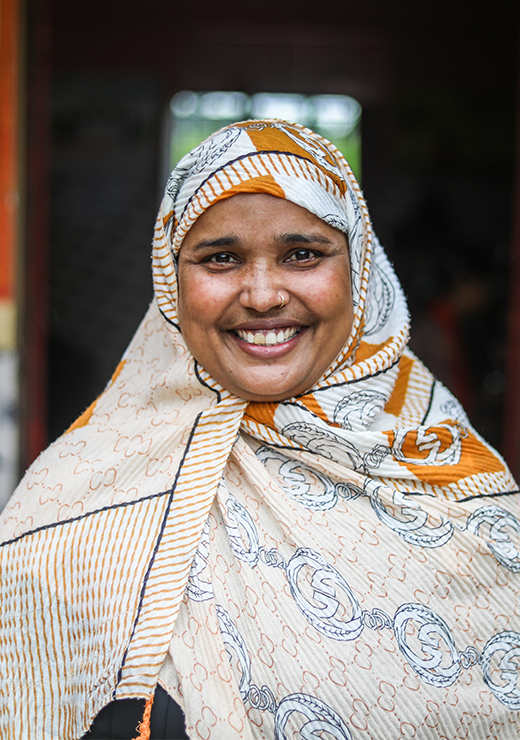
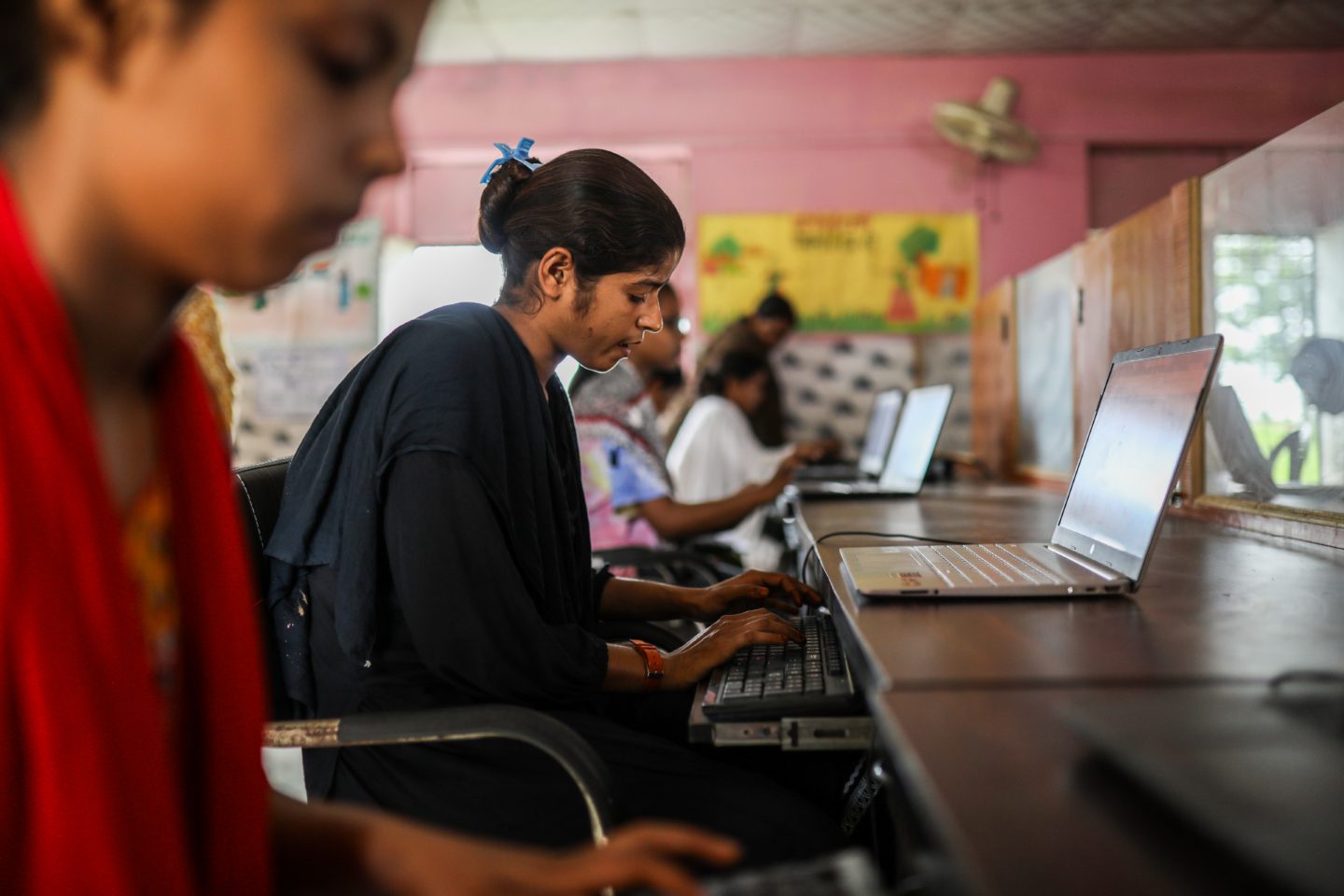
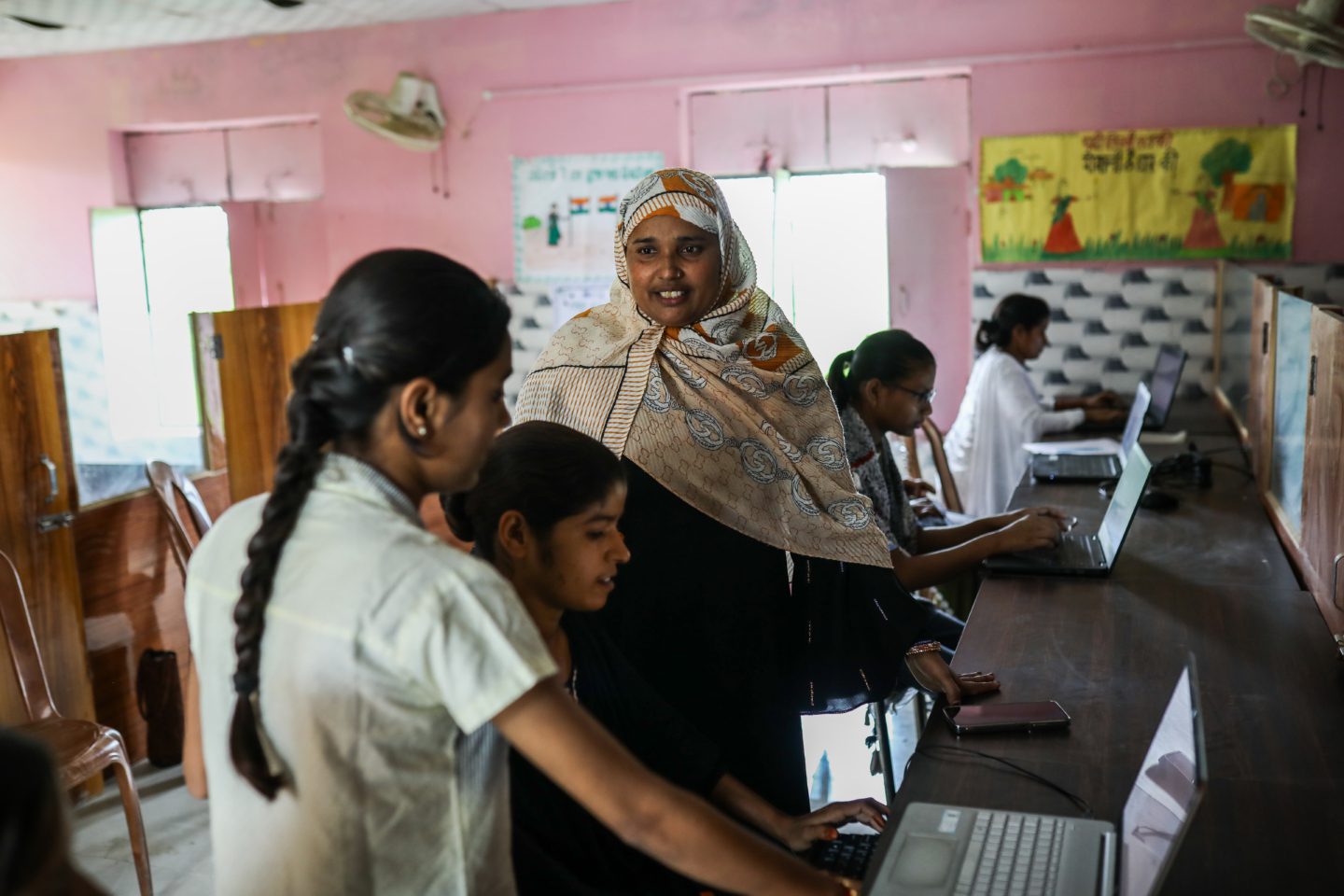
Rehana Regum was approached one day by a group of teenage girls in her village with a simple request: they wanted to learn computer skills.
Rehana learned about a government-supported rural digital literacy scheme and applied for support to establish a computer learning centre in her village. Today, girls regularly attend classes where they are learning and developing new skills.
“Earlier, I was rarely allowed to leave my home. It was only after I became associated with AKF that I gained the confidence to step out and engage with my community. Today, people know me and approach me with their concerns, and I can support them because of the knowledge I gained."Rehana Begum
For Rehana, listening to the challenges and hopes of everyone in her community is part of being a good leader. What started as a small request has become an investment in the independence, confidence and future opportunities of the girls in her village.

Across these Panchayats, a new generation of women leaders is emerging.
With support from AKF, 90 women leaders have gained skills and confidence and are actively speaking up, planning and leading.
When women lead, governance becomes more inclusive, responsive and effective. When women lead, they challenge norms that prevent women from becoming decision-makers and changemakers, and they inspire girls to imagine new possibilities and opportunities.
Meet Sujata, another Elected Women Representative, in this short film.
Words by Seemab Alam and Annie Lee
Photos by Md Meharban
This story is part of the Advancing Gender Equality through Civil Society component of the Foundations for Health Empowerment programme, funded by Global Affairs Canada. Learn more.



Support our work Your donations are helping us build a future where we all thrive together.