
Launched during New York Climate Week, ReGeneration will work with coastal communities across six Indian Ocean countries to restore threatened ecosystems while creating sustainable livelihoods that support millions of people.

For centuries, the Indian Ocean has connected the people who live along its shores. Its monsoon winds carried traders, ideas and cultures, and coastal communities have lived by the rhythm of its tides and seasons.
Today, more than two billion people live in the countries around its coastline, and many depend on the ocean and its coasts for food, income and a way of life.
That way of life is under threat. The Indian Ocean is the fastest warming ocean on Earth. Rains are harder to predict. Cyclones, floods and droughts are becoming more frequent and more severe. Fish stocks are declining, clean water is increasingly scarce and mangrove forests are being rapidly lost.
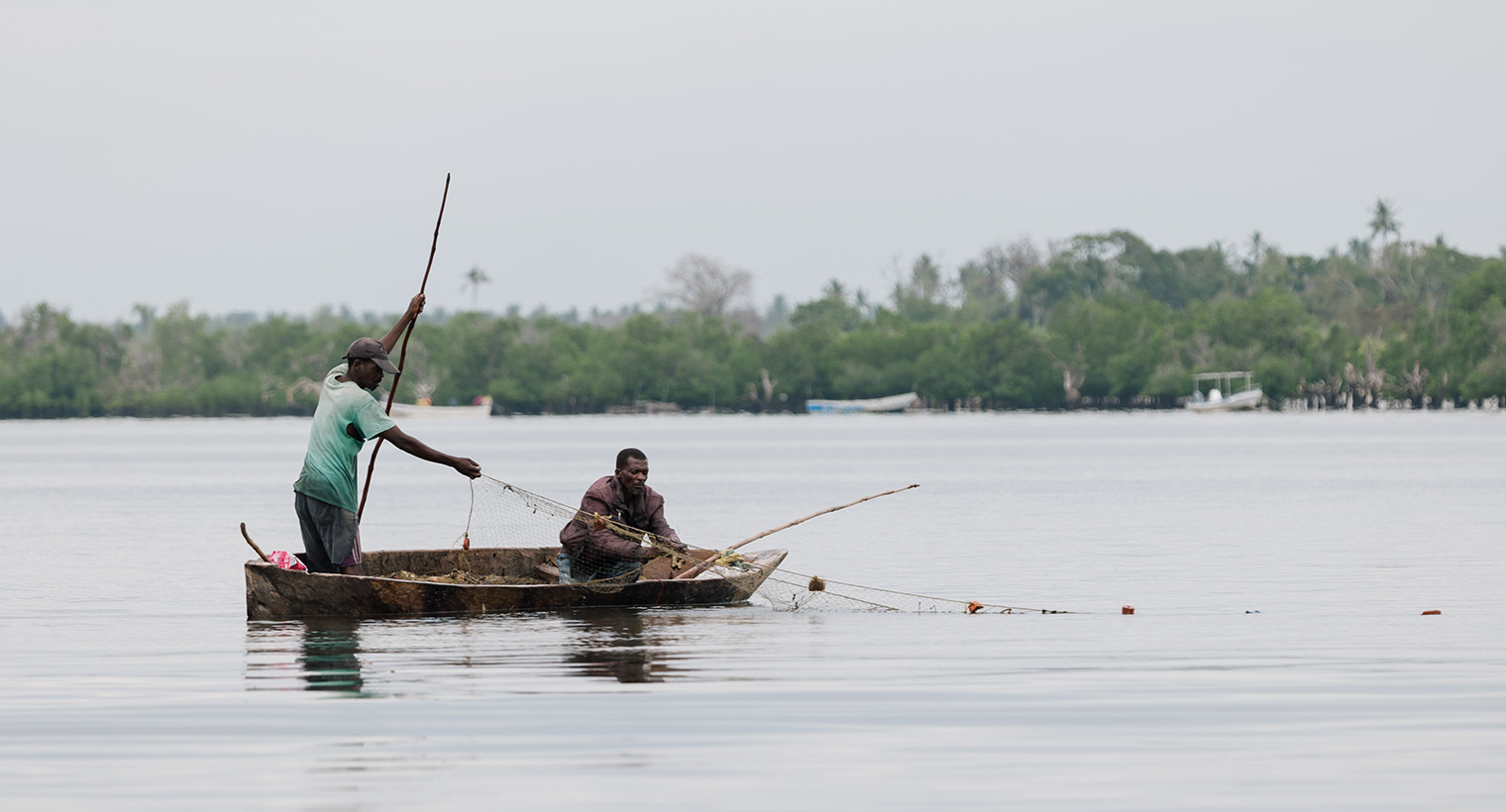
Coastal communities across the Indian Ocean are living on the frontlines of climate change. | Photo: Christopher Wilton-Steer / AKF
47% of the world’s mangrove forests are found in the Indian Ocean region, but these natural defences are at risk of collapse. The UN Environment Programme estimates that 67% of the world’s mangroves have been lost or degraded, with an additional 1% being lost each year – a trend that is likely to accelerate as populations rise and opportunities are stretched.
When nature suffers, so do the people who depend on it. And when people have few ways to earn a living, the pressure on nature grows.
ReGeneration seeks to break this cycle.
Against this backdrop, the Aga Khan Foundation (AKF) has launched ReGeneration, a ten-year initiative designed to support coastal communities and the natural environments they depend on to recover and thrive together.
Working in coastal regions of Kenya, Tanzania, Mozambique, Madagascar, India and Pakistan, ReGeneration brings nature restoration and economic development together – creating sustainable livelihoods and new economic opportunities while protecting and restoring critical ecosystems.
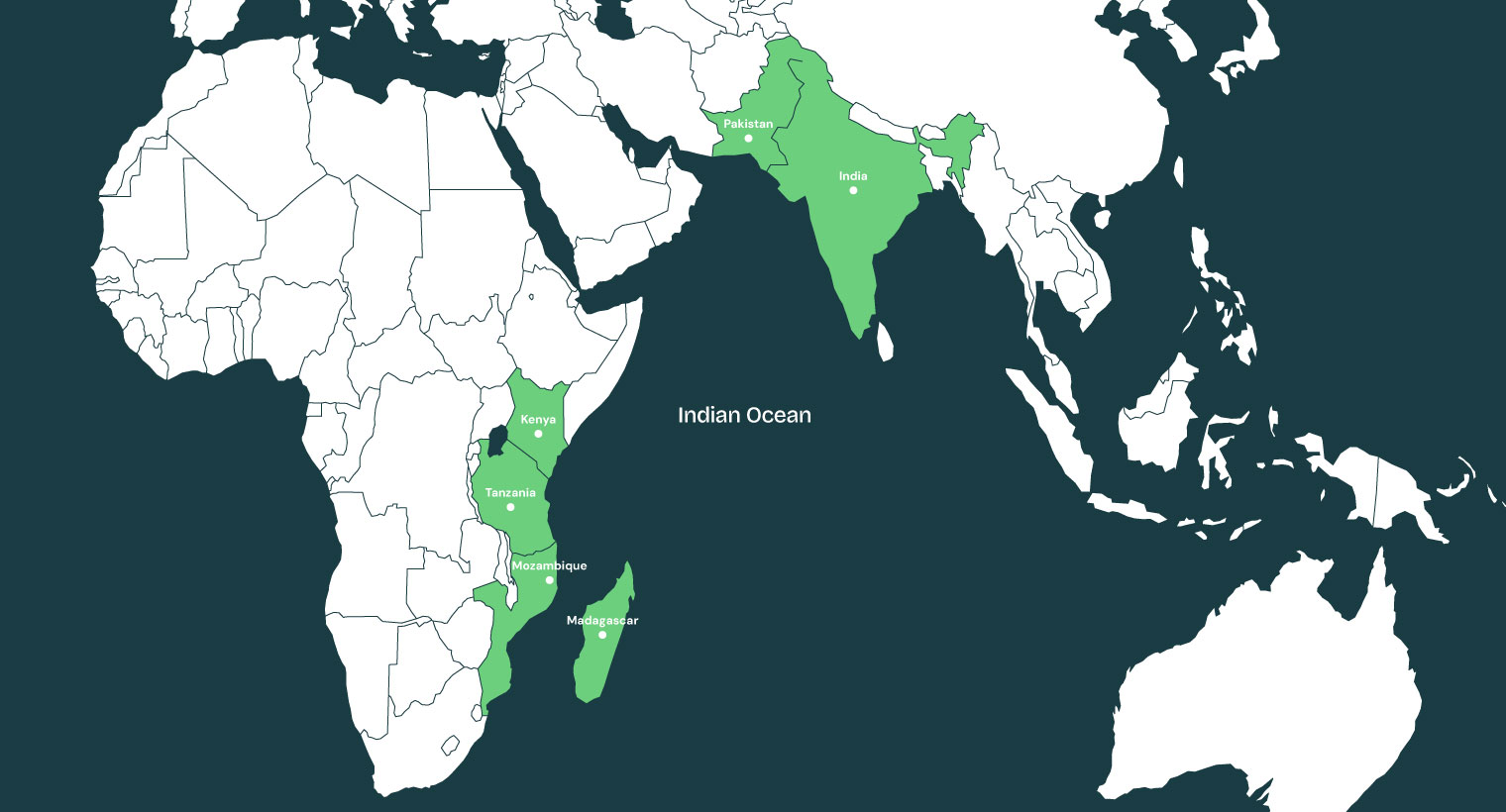
ReGeneration works in six countries home to globally important mangrove forests and with communities highly exposed to climate change. Its work reaches up to around 100 kilometres inland, to farming communities whose land, water and livelihoods are linked to the coast.
“We have a shared responsibility to care for our oceans and the communities living along their coastlines,” says Prince Aly Muhammad Aga Khan. “As part of the fight against climate change, our institutions are regenerating the shores of the Indian Ocean so that those who depend on them can thrive for generations to come.”
Over the next decade, ReGeneration aims to protect and restore 150,000 hectares of coastal habitat, expand access to clean water and renewable energy, and strengthen sustainable livelihoods for millions of people living along the Indian Ocean coast. To scale these locally led solutions, AKF aims to mobilise $500 million in co-investment.
“As part of the fight against climate change, our institutions are regenerating the shores of the Indian Ocean so that those who depend on them can thrive for generations to come."Prince Aly Muhammad Aga Khan
The initiative is launched as world leaders, governments, philanthropies and businesses gather in New York for the United Nations General Assembly and New York Climate Week, against a backdrop of increasing pressure on traditional sources of international development and climate finance.
While ReGeneration launches today as a new ten-year initiative, it builds on AKF and the wider Aga Khan Development Network’s (AKDN) long history in the region and locally led efforts already underway. From women-led mangrove restoration in India to coastal resilience in Pakistan and regenerative agriculture in Mozambique, communities are already driving change through ReGeneration.
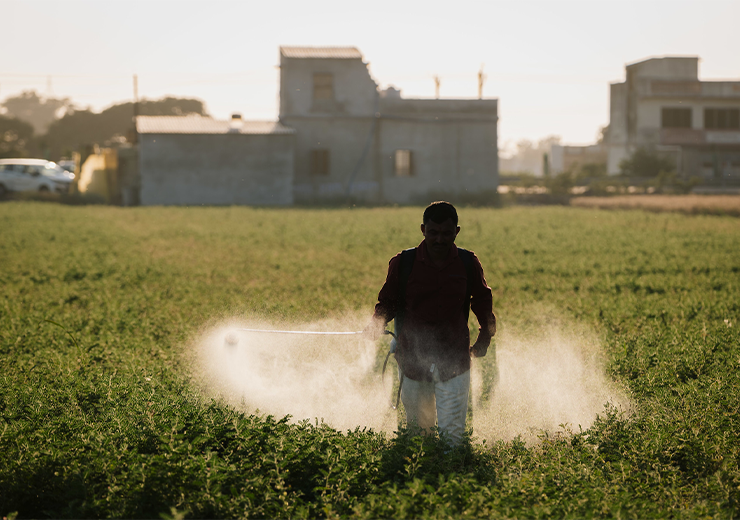
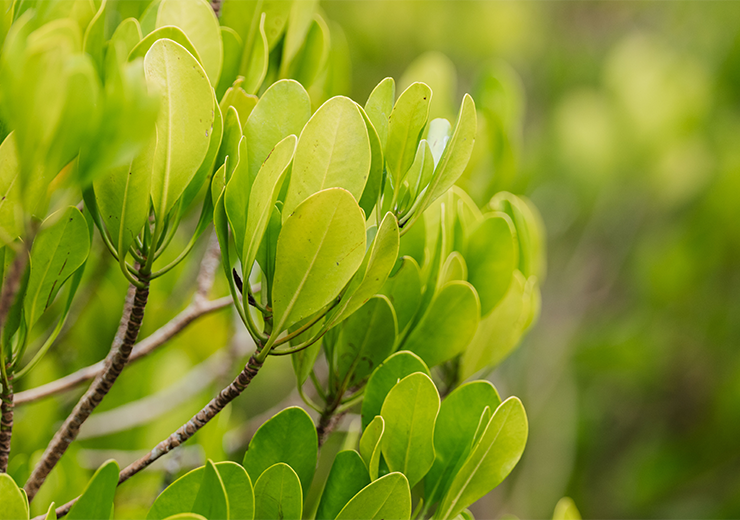
Along the coast, people and nature rise or fall together.
Healthy mangroves protect shorelines from storms, shelter young fish and store carbon up to four times faster than tropical rainforests. Yet where families have few other ways to earn a living or cook their food, these forests are often cut down for timber and charcoal.
ReGeneration helps communities meet those needs through clean energy and alternative sources of income. It also demonstrates that a mangrove forest can be worth more standing than felled, supporting livelihoods such as beekeeping, crab farming and ecotourism.
“Protecting nature must work economically for the people who live alongside it."Apoorva Oza – Global Lead, Climate, Agriculture & Food Security, AKF
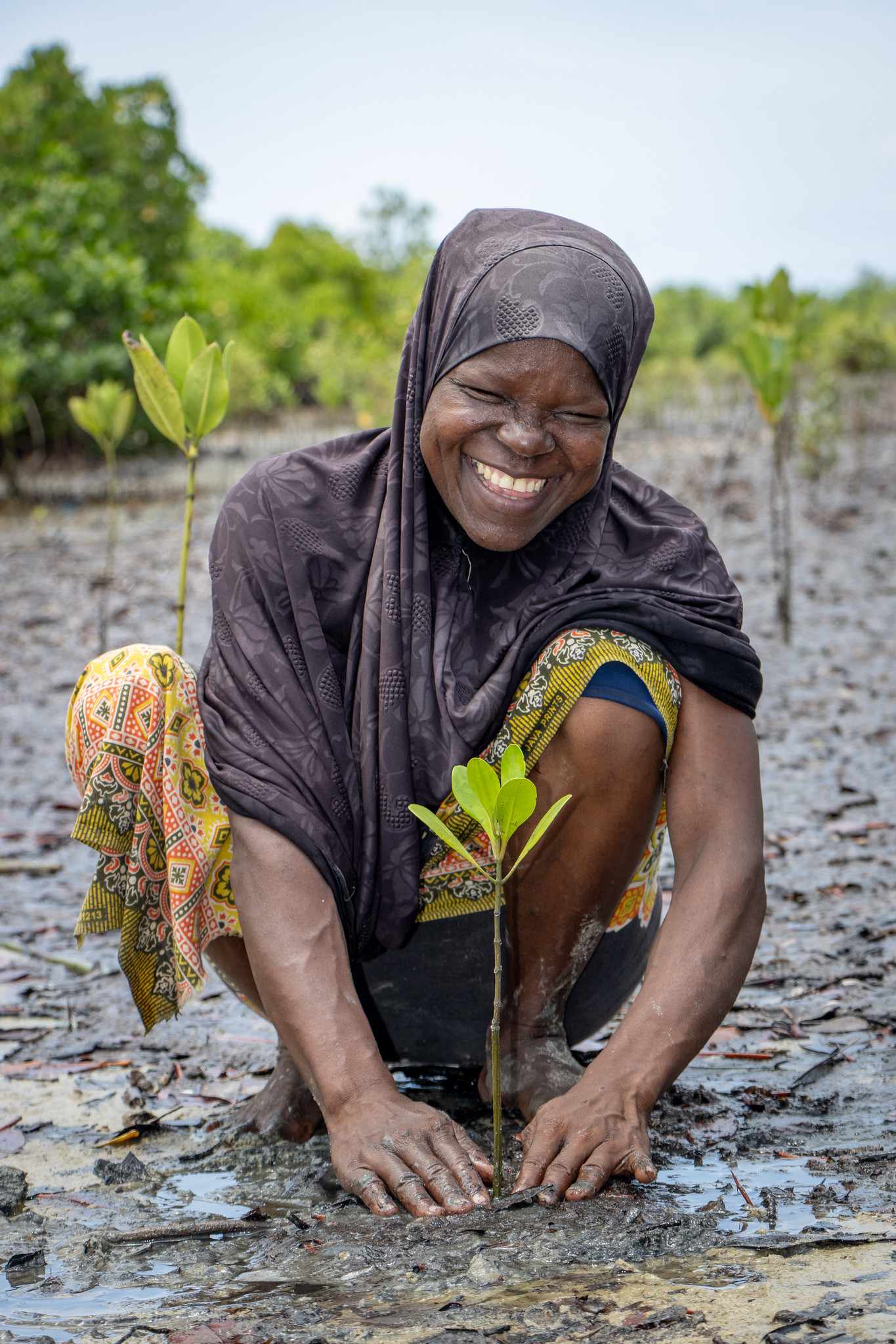
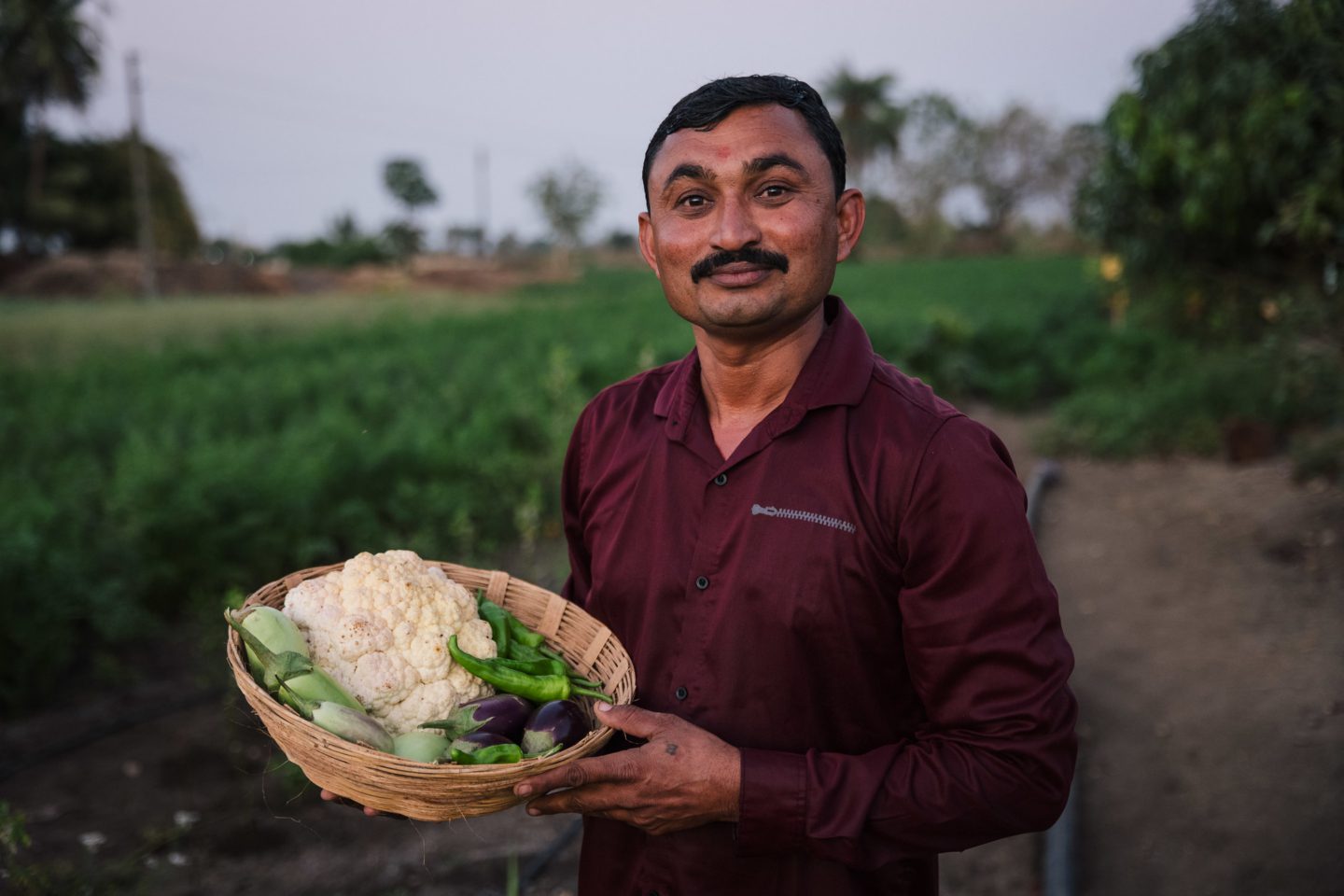
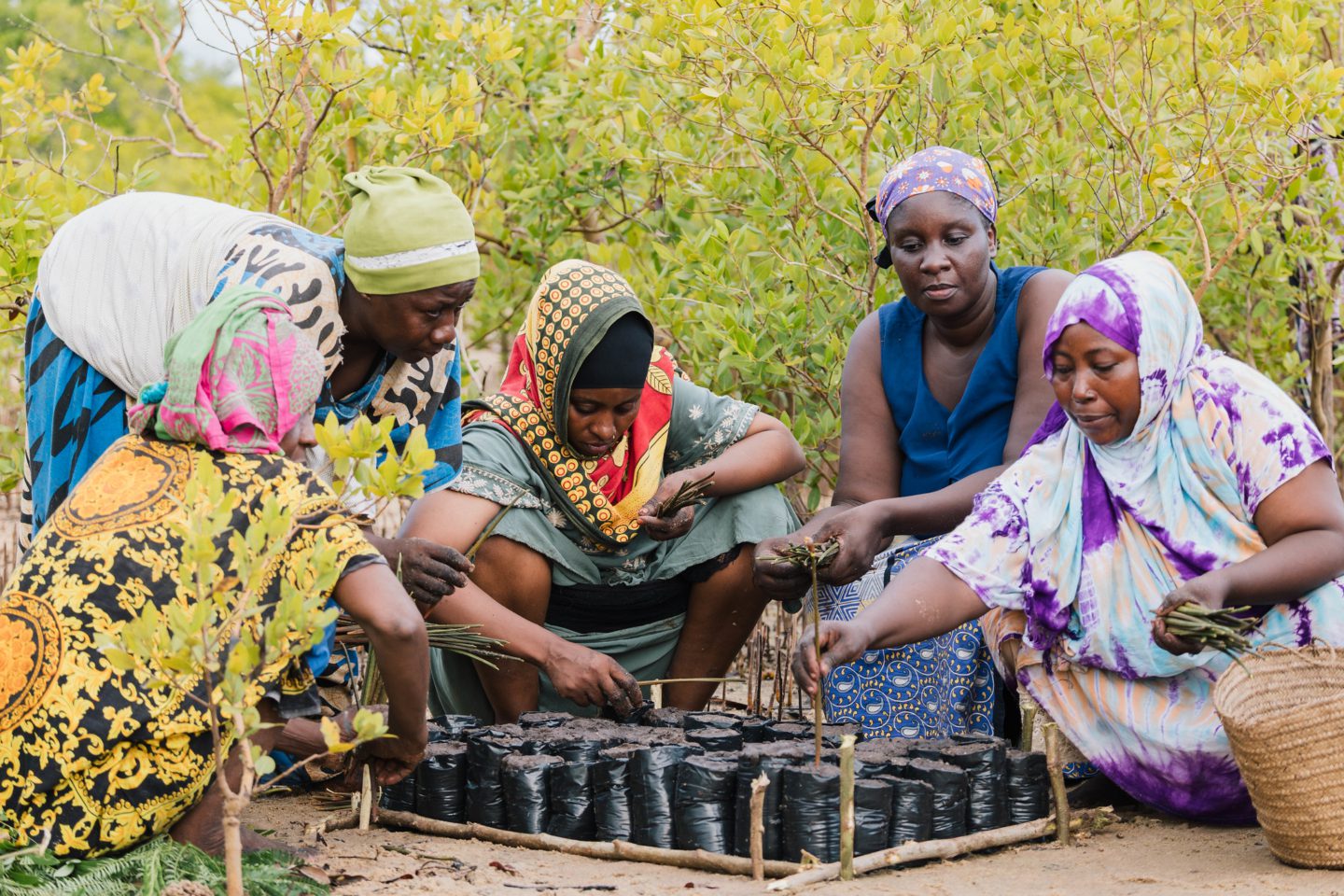
“Too often, climate action asks communities to protect nature without addressing the economic realities that determine how land, oceans and natural resources are used,” says Apoorva Oza, Global Lead for Climate, Agriculture & Food Security at AKF.
“ReGeneration starts from a different premise: protecting nature must work economically for the people who live alongside it. Whether through sustainable fisheries, regenerative agriculture, clean energy or new forms of enterprise, we want to create livelihoods that strengthen rather than deplete the natural environment,” Oza affirms.
The initiative is driven by a network of climate champions – community members, many of them women and young people – who are trained to lead restoration efforts, share new practices and support their neighbours to adapt.
From nutrition and regenerative farming to water management and clean energy, these practices are designed to take root long-term, building on the progress and knowledge of those who have lived on these shores for generations – and on decades of AKF’s own work alongside them.

AKF and the wider AKDN have worked in the Indian Ocean region for decades, investing in education, health, culture and economic development. The trusted partnerships built with communities, governments and institutions over that time are at the heart of ReGeneration.

1988. Schoolchildren perform a health education play for their community in rural Gujarat, using theatre and song to share messages about health and hygiene. Gujarat is home to the first Aga Khan School in India, established in Mundra in 1905, marking the beginning of more than a century of investment in education across the region.
Photo: Katherine Hinckley / AKDN

1989. A man walks across the repaired Sapar tank in drought-prone Gujarat, India. Since its establishment in 1983, the Aga Khan Rural Support Programme (India) has partnered with communities to strengthen water security and resilience in the face of environmental challenges.
Photo: Jean-Luc Ray / AKDN

1990. Harvest time in rural Gujarat, where farming and livestock rearing have sustained communities for generations. The Aga Khan Rural Support Programme (India) supports rural communities to strengthen livelihoods, improve natural resource management and support long-term resilience.
Photo: Jean-Luc Ray / AKDN

1993. Community members repair an irrigation channel and improve local infrastructure in Sindh, Pakistan. Community-led development has been central to the Aga Khan Rural Support Programme (Pakistan) since its establishment in 1982, supporting local organisations to identify priorities, manage resources and shape their own futures.
Photo: Katherine Hinckley / AKDN

1994. The Stone Town Cultural Centre before restoration. In the years that followed, the Aga Khan Trust for Culture would partner with local authorities to help preserve and revitalise Stone Town’s architectural heritage.
Photo: AKDN

1995. Looking out across the Indian Ocean at Mombasa Harbour, Kenya. The following year, an Agreement of Cooperation for Development with the Government of Kenya established a framework for the Network’s long-term partnership with communities across the country. This formalised a relationship built on more than a century of work along the Swahili Coast.
Photo: Jean-Luc Ray / AKDN

1997. Children play at Al Haq Pre-School in Mombasa’s Old Town. Aga Khan Education Services traces its roots in East Africa to 1905, when one of the first Aga Khan Schools was established in Zanzibar, helping lay the foundations for more than a century of educational investment in the region.
Photo: Jean-Luc Ray / AKDN

1997. A tree nursery beside a community school in rural Sindh, Pakistan. For more than 40 years, the Aga Khan Rural Support Programme (Pakistan) has worked with communities to strengthen local institutions, improve livelihoods and support long-term rural development across some of the country’s most remote regions.
Photo: Kathy Bartlett / AKDN

1997. The Stone Town Cultural Centre following restoration. The project formed part of wider efforts to conserve the rich cultural heritage of Zanzibar, laying the groundwork for later initiatives including the restoration of public spaces such as Forodhani Park.
Photo: Gary Otte / AKDN

1998. The Aga Khan Hospital in Dar es Salaam, Tanzania. Health services have been part of AKDN’s work in East Africa for more than a century, reflecting a long-standing commitment to improving access to quality healthcare across the region.
Photo: Jean-Luc Ray / AKDN

2001. Women collect water from a community well in Gujarat, India. For more than 40 years, the Aga Khan Rural Support Programme (India) has worked alongside rural communities to improve water security, strengthen natural resource management and build resilience in drought-prone regions of western India.
Photo: Samir Pathak / AKDN

2001. A woman collects water from a community water harvesting and distribution system in Gujarat, India. The Aga Khan Rural Support Programme (India) has long been working with rural communities to improve access to clean water.
Photo: Samir Pathak / AKDN

2003. Fishermen prepare their dhows for the day’s catch on Ibo Island, Mozambique. Since establishing operations in Mozambique in 2000, the Aga Khan Foundation has worked alongside coastal communities in Cabo Delgado to strengthen livelihoods, support local institutions and expand economic opportunities linked to fishing, agriculture and natural resource management.
Photo: Jean-Luc Ray / AKDN

2003. A sign for AKF’s Coastal Rural Support Programme on Ibo Island, Mozambique. Through Village Organisations and locally led development initiatives, AKF worked with communities to strengthen livelihoods and create new opportunities linked to fishing and agriculture.
Photo: Jean-Luc Ray / AKDN
/14
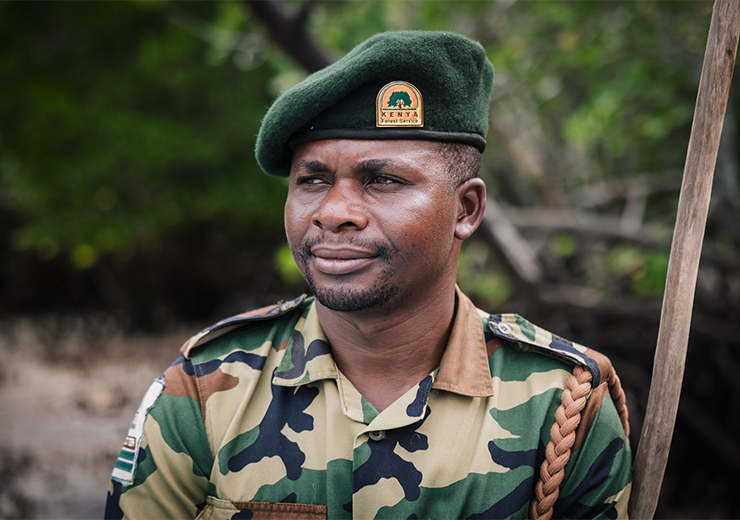
More recently, ReGeneration is already building momentum. An early milestone came in April 2026, when AKF signed an agreement with the Camões Institute – the Portuguese Cooperation Agency – to support coastal ecosystem restoration and community-led development in Kenya. The partnership will help fund mangrove restoration in Kenya’s Gazi Bay as part of AKF’s broader effort to restore 226 hectares of mangrove forest in partnership with the Kenya Forest Service.
The following month, AKF and Agence Française de Développement (AFD) signed a €100 million declaration to support joint efforts to protect and restore coastal ecosystems across the Indian Ocean region, beginning in Mayotte, Madagascar and Tanzania. Signed in the presence of President Emmanuel Macron and His Highness the Aga Khan, the declaration supports ReGeneration’s ambition to mobilise $500 million for coastal restoration across the Indian Ocean.
Beyond this, ReGeneration captures several active initiatives already working to promote coastal resilience and economic development across the target countries.
In Pakistan, ReGeneration works along the Sindh coast through the Sindh Coastal Resilience Integrated Programme (SCRIP), in partnership with the Embassy of Denmark. The programme focuses on coastal communities in southeast Pakistan that are facing climate vulnerabilities while also seeking new economic opportunities.
In Mozambique’s Cabo Delgado, AKF is supporting small-scale farmers to build agricultural resilience and new economic opportunities through the AgroVida programme, supported by the Embassy of the Netherlands and AFD. Green Champions – graduates from agriculture institutes – are trained by AKF in regenerative farming, fishing production, gender equality and nutrition, working directly with farmers and small-scale food producers in one of Mozambique’s poorest and most fragile regions.
In Madagascar’s remote Barren Isles, AKF is working with small-scale fishing communities to conserve the marine environment and identify alternative sources of income to complement fishing. This work is delivered in partnership with Blue Ventures and funded by Blue Action Fund through the Green Climate Fund.
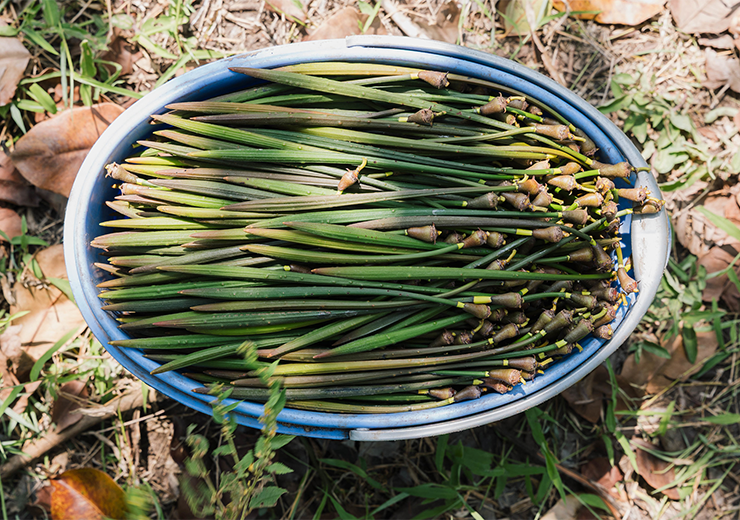
In India, ReGeneration builds on women-led mangrove restoration in Gujarat, home to the country’s second-largest stretch of mangroves. Here, the Aga Khan Rural Support Programme (AKRSP), an affiliate of AKF, works with local women’s groups to develop mangrove restoration as an alternative livelihood opportunity. Their work has been captured in a new film about ReGeneration, Thriving Coastlines, Resilient Communities.

About 20 to 30 kilometres off the coast of western Madagascar are the Barren Isles – a chain of nine islands so remote that even many Malagasy do not know they exist. The archipelago is one of the few remaining strongholds of thriving marine biodiversity in the Western Indian Ocean. Here, AKF is working with small-scale fishers to build climate resilience.
Photo: Gregoire Imberty / AKF

Through a consortium of partners, AKF’s AgroVida programme is revitalising food production systems, seeking to enhance agricultural sustainability and foster economic empowerment for small-scale food producers across Cabo Delgado, tapping into the vast potential that has long remained dormant.
Photo: H2N / AKF

The Sindh Coastal Resilience Integrated Programme (SCRIP) works in Sindh province in southeast Pakistan, where droughts, heatwaves and severe flooding have led to fragile socio-economic conditions and livelihoods.
Photo: AKDN

Laxmiben Manek is a mangrove planter and protector, working with the Aga Khan Rural Support Programme in coastal Gujarat, India, to restore the forests her community has relied on for generations.
Photo: Christopher Wilton-Steer / AKF
/4
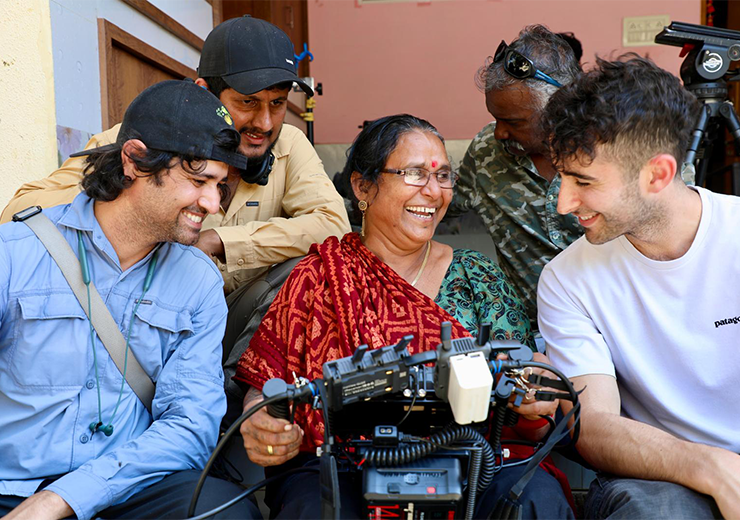
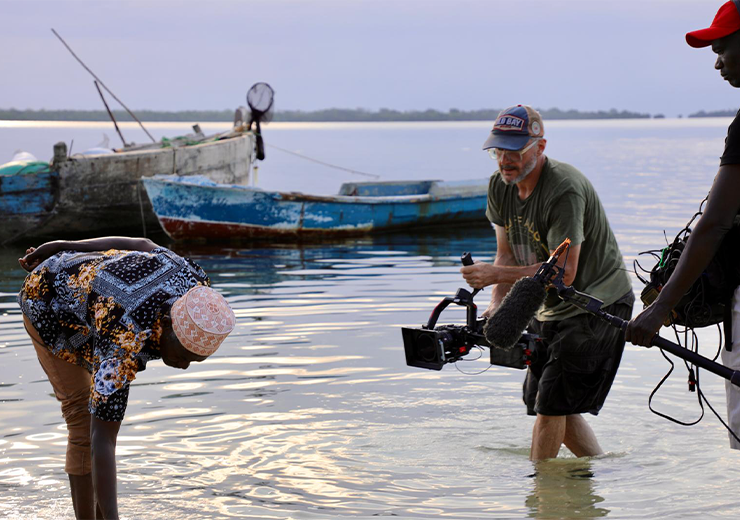
To mark the launch of ReGeneration, AKF has partnered with world-renowned environmental documentary makers, Open Planet Studios, to produce a new film that brings the initiative to life.
Narrated by Prince Aly Muhammad Aga Khan, Thriving Coastlines, Resilient Communities, features fishers, farmers and young people driving solutions to safeguard ecosystems, strengthen livelihoods and unlock economic opportunity.
The film journeys from the mangrove forests of Kenya to the farmlands of India, revealing why restoration and resilience matter not only for coastal communities, but for us all.
With New York Climate Week underway, ReGeneration reflects AKF’s wider message: that retreating from long-term investment in communities now risks reversing progress on some of the world’s most pressing development challenges.
Dr Matt Reed, AKF’s Director of Institutional Partnerships and UK CEO, says, “We are at a point where the international community is having to think differently about how development is funded and delivered.”
“Whether we are talking about restoring an ecosystem or improving a child's education, the principle is the same: invest in the capacity of communities to shape their own futures."Dr Matt Reed – Director of Institutional Partnerships and UK CEO, AKF
“But stepping back from investment in climate resilience, education and economic opportunity now would carry enormous long-term costs,” Reed continues. “Whether we are talking about restoring an ecosystem or improving a child’s education, the principle is the same: invest in the capacity of communities to shape their own futures.”
ReGeneration represents a long-term commitment to the people and ecosystems of the Indian Ocean. Over the next decade, communities across Kenya, Tanzania, Mozambique, Madagascar, India and Pakistan will help shape and lead the solutions that define its success – now and for generations to come.
This long-term vision is already taking root in communities across the region. As Christine Mwandikwa, a ReGeneration Green Champion from Kwale, Kenya, says: “The community has really owned this initiative. That sense of identity and ownership will go far beyond any project we implement. The future is bright for us.”
“The future is bright for us.”Christine Mwandikwa – AKF Green Champion

Delivering ReGeneration’s vision will require collaboration across sectors. From funders and technical institutions to academic researchers and implementing organisations, our partners are already helping to shape a more resilient future for the Indian Ocean region.
As the initiative grows, we are looking to expand this coalition. If you would like to support ReGeneration, we would welcome a conversation.
Email: akf@akdn.org


Support our work Your donations are helping us build a future where we all thrive together.